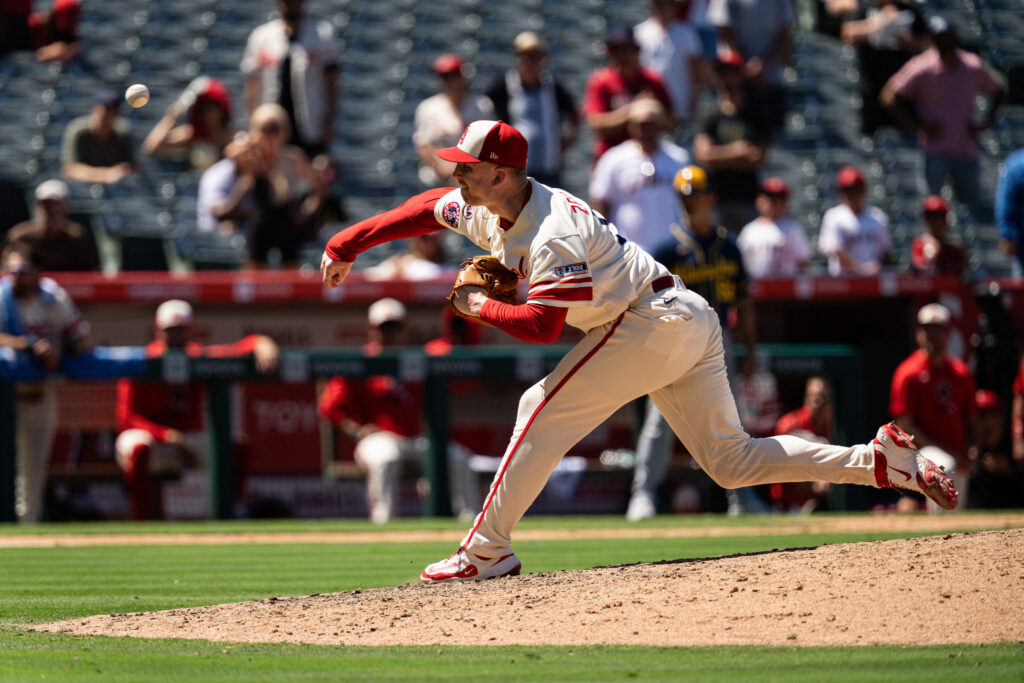
Cubs Steal High-Spin Arm Zeferjahn From Angels in Sneaky Deal
Cubs Trade for Angels Reliever Ryan Zeferjahn: What You Need to Know
The Big News
The Chicago Cubs and Los Angeles Angels made a trade on August 3, 2026. Here’s the simple version:
| Chicago Cubs Get | Los Angeles Angels Get |
|---|---|
| Ryan Zeferjahn (Right-handed pitcher) | Moises Ballesteros (Catcher) |
| Mason McGwire (Right-handed pitcher) |
Who Is Ryan Zeferjahn?
Think of Zeferjahn as a late-blooming reliever who’s finally putting it all together in his third year in the big leagues.
Quick Facts
- Age: 28 years old
- Role: Relief pitcher (comes in during the middle/late innings)
- Throws: Right-handed
- 2026 Season Stats (with Angels):
- 51⅔ innings pitched
- 3.66 ERA (Earned Run Average — lower is better)
- 33.5% strikeout rate — that’s 97th percentile in MLB (meaning he strikes out more batters than 97% of pitchers!)
ELI5: What’s a "relief pitcher"?
A relief pitcher (or "reliever") doesn’t start the game. They come in later — usually the 6th inning or after — to get important outs when the game is close. They throw harder but for shorter stretches than starters.
Why the Cubs Like Him: The "Under the Hood" Numbers
Baseball teams now use fancy stats to see how a pitcher is really doing — not just the basic numbers. Here’s what those say about Zeferjahn:
The Advanced Metrics (Simply Explained)
| Stat | What It Means | Zeferjahn’s Number | Why It’s Good |
|---|---|---|---|
| xERA (Expected ERA) | What his ERA should be based on quality of contact, walks, strikeouts | 2.93 | Almost a full run better than his actual 3.66 — suggests he’s been unlucky |
| SIERA (Skill-Interactive ERA) | A more advanced version that accounts for pitcher skill | 3.37 | Also better than his actual ERA — confirms he’s pitching well |
Important Point: When xERA and SIERA are lower than actual ERA, it often means a pitcher has been better than their results show — and might improve going forward.
His Secret Weapons: Two Great Pitches
Zeferjahn doesn’t just throw hard — he throws smart. Statcast (MLB’s high-tech tracking system) grades his pitches:
Four-Seam Fastball
- Velocity: High-90s (that’s 97-99 mph!)
- Run Value: +2 (above average)
- Why it works: Batters have very little time to react
Sweeper (A Type of Slider)
- Run Value: +8 (excellent — one of the better pitches in baseball)
- Movement: Sweeps horizontally across the zone
- Why it works: Looks like a fastball out of the hand, then breaks away from right-handed batters
ELI5: What’s "Run Value"?
It measures how many runs a pitch saves (or costs) compared to an average pitch. Positive = good. +8 on his sweeper means it’s an elite weapon.
Who Did the Cubs Give Up?
Moises Ballesteros — Catcher
- A prospect (young player not yet established in MLB)
- Catchers who can hit are very valuable — they’re rare
- The Angels likely see him as a future everyday catcher
Mason McGwire — Right-Handed Pitcher
- Also a prospect in the minor leagues
- Fun fact: Yes, he’s Mark McGwire’s son! (The former home run king)
- Adds pitching depth to the Angels’ farm system
Trade Perspective: The Cubs gave up future potential (prospects) for immediate help (a proven MLB reliever). This is a "win-now" move.
Why This Trade Makes Sense for Both Teams
For the Cubs
- Bullpen help — They needed a reliable righty for high-leverage innings
- Strikeout upside — 97th percentile K-rate means he can get out of jams
- Control — He’s under team control (not a free agent yet)
- Advanced metrics say he’s even better — xERA of 2.93 suggests a breakout could be coming
For the Angels
- Future building — They get two young players with upside
- Catcher depth — Ballesteros fills a major organizational need
- Pitching lottery ticket — McGwire could develop into a starter or reliever
- Zeferjahn was expendable — Angels are rebuilding; he’s 28 and arbitration-eligible soon
Step-by-Step: What Happens Next?
- Zeferjahn flies to Chicago — Physical exam, meet the team
- Uniform # assigned — He’ll get a Cubs jersey
- Bullpen session — Work with new pitching coach
- Debut soon — Could pitch within days if roster move made
- Angels assign prospects — Ballesteros & McGwire go to minor league affiliates
Summary
| Key Takeaways |
|---|
| Cubs add a high-strikeout, high-upside reliever in Ryan Zeferjahn |
| His advanced stats (xERA 2.93, SIERA 3.37) suggest he’s been better than his 3.66 ERA |
| Two elite pitches (high-90s fastball, +8 run value sweeper) make him tough to hit |
| Cubs paid with two prospects (Ballesteros, McGwire) — a "win-now" move |
| Angels get young talent for their rebuild, including a catcher prospect |
| Zeferjahn, 28, is having a breakout third season — perfect timing for a contender |
FAQ: Your Questions Answered
Is Ryan Zeferjahn a closer?
Not right now. He’s a setup man (pitches the 7th-8th inning). But with his strikeout stuff, he could close in the future if the Cubs need him to.
Why did the Angels trade him if he’s pitching well?
Rebuilding teams trade veterans for prospects. Zeferjahn is 28, will get expensive soon, and the Angels aren’t contending. They turned a good reliever into two young players.
What does "97th percentile strikeout rate" mean?
It means only 3% of MLB pitchers strike out batters more often. It’s elite.
Who is Mason McGwire?
He’s Mark McGwire’s son — a right-handed pitching prospect. The Angels are betting on his development.
When will Zeferjahn pitch for the Cubs?
Very soon. Relievers usually join the team within 1-3 days after a trade. Watch for his Cubs debut this week!
Article based on reporting by Jeff Passan (ESPN) and Jeff Fletcher (Orange County Register), August 3, 2026.