 11
11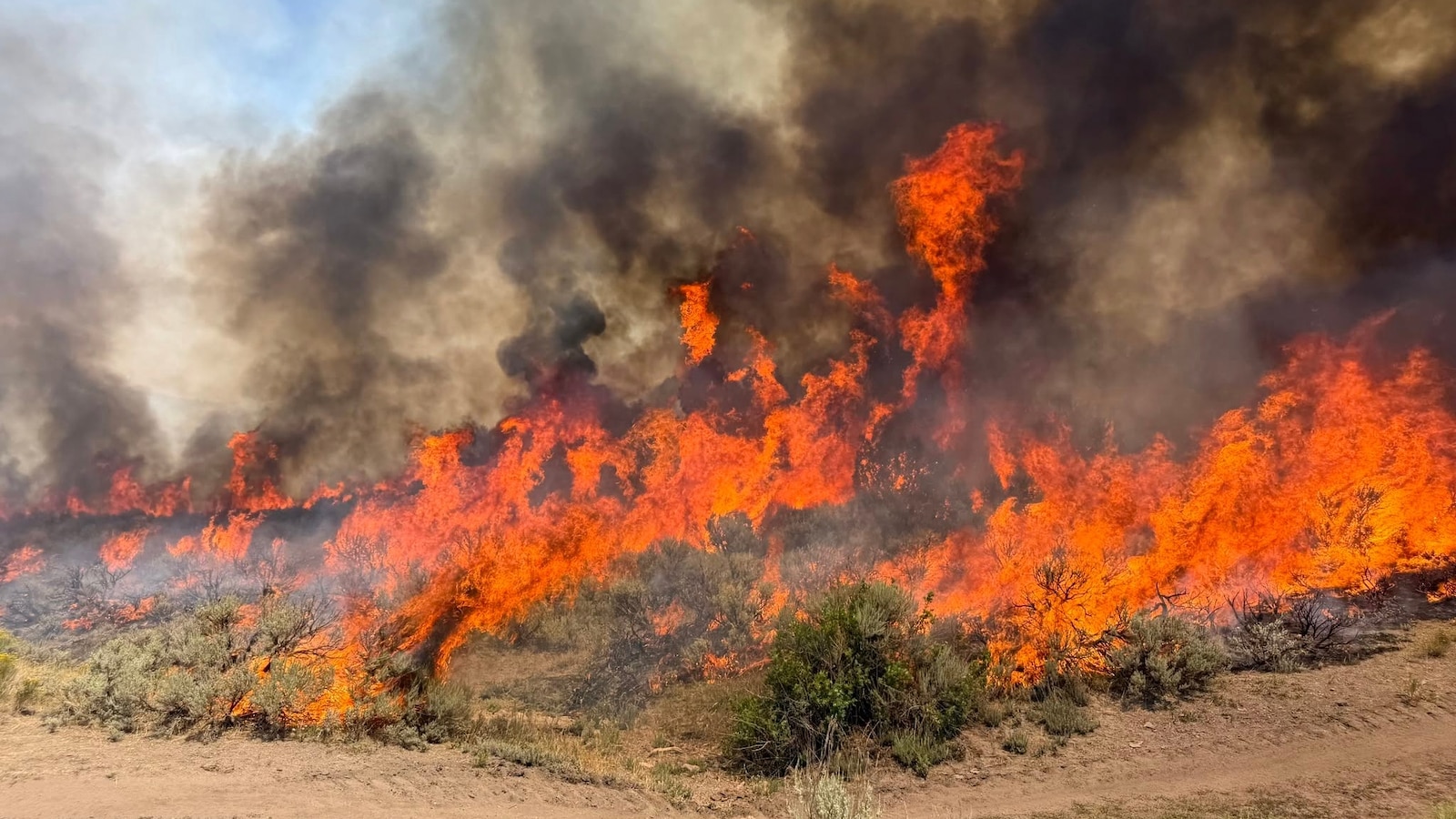
This week, firefighters battling large wildfires in the western United States faced two separate tragedies. In Utah, a massive firefighting helicopter crashed while dropping water on a lightning-sparked blaze. In Oregon, a bulldozer operator lost his life when a fire suddenly grew faster than anyone expected. Both incidents show just how dangerous wildfire fighting can be—especially when hot, dry weather makes fires behave unpredictably.
| Detail | Information |
|---|---|
| Aircraft type | Sikorsky S-64 "Skycrane" (heavy-lift firefighting helicopter) |
| Location | Near Richfield, Utah (Fishlake National Forest) |
| People on board | 2 (conditions unknown) |
| Fire cause | Lightning strike on July 27 |
| Fire size (Friday) | 165 square miles (427 sq km) |
| Containment | 19% |
| Personnel fighting it | 600+ firefighters |
| Structures destroyed | At least 6 |
| Evacuations | Yes, for the small community of Kanosh |
IMPORTANT: The Big Picture
Months of dry weather, a record lack of snow in some areas, heat waves, and erratic winds have created a "perfect storm" for wildfires across the West. This isn’t just about one fire—it’s a pattern affecting multiple states.
Just two months ago, four firefighters were killed and a fifth injured in Colorado when a fast-moving wildfire overran their position. They deployed emergency fire shelters (tent-like safety devices carried by wildland firefighters as a last resort), but the fire was too intense. This tragedy underscores the extreme risks these crews face every day.
| Incident | Location | Casualty | Cause | Fire Size | Containment |
|---|---|---|---|---|---|
| Helicopter crash | Richfield, Utah | 2 aboard (status unknown) | Lightning (July 27) | 165 sq mi | 19% |
| Dozer operator death | Chiloquin, Oregon | 1 fatality (Jason Ensign) | Under investigation | ~14 sq mi | 0% |
Common factors in both tragedies:
Think of it as a flying crane with a giant water bucket. It’s a heavy-lift helicopter designed to carry massive loads—up to 2,650 gallons of water or fire retardant in a tank underneath. It doesn’t carry passengers inside like a regular helicopter; the pilots sit in a cockpit at the front, and the tank hangs below on cables. It’s one of the most powerful tools for fighting big fires from the air.
Containment ≠ "fire is out."
Containment means firefighters have built a control line (a cleared strip of land, road, or natural barrier like a river) around that percentage of the fire’s perimeter. A fire at 19% containment still has 81% of its edge uncontrolled and able to spread. "Controlled" means the fire is fully surrounded and no longer growing.
It’s an official weather alert from the National Weather Service meaning: "Conditions are ideal for fires to start and spread rapidly." It’s issued when there’s a combination of:
When a Red Flag Warning is in effect, even a small spark can become a major wildfire.
Safety first. The crash happened in an active fire zone with flames blocking access. Sending rescuers in could have put more lives at risk. Firefighters and sheriff’s deputies waited for a safe window—hoping to reach the site within 24 hours. This is standard protocol: don’t create more victims.
A fire shelter is a last-resort safety device carried by all wildland firefighters. It looks like a shiny, foil-covered sleeping bag. If a firefighter is trapped by flames, they:
The shelter reflects radiant heat and traps breathable air—but it cannot survive direct flame contact for long. It’s a desperate measure, not a guarantee.
Wildfire season in the West is becoming longer, more intense, and more dangerous. Behind every fire map and statistic are real people—pilots, bulldozer operators, hand crews, and incident commanders—working in extreme conditions to protect communities and landscapes. This week’s tragedies in Utah and Oregon are a stark reminder of the risks they take.
Stay informed. Follow evacuation orders. Respect fire restrictions. And remember the people on the front lines.