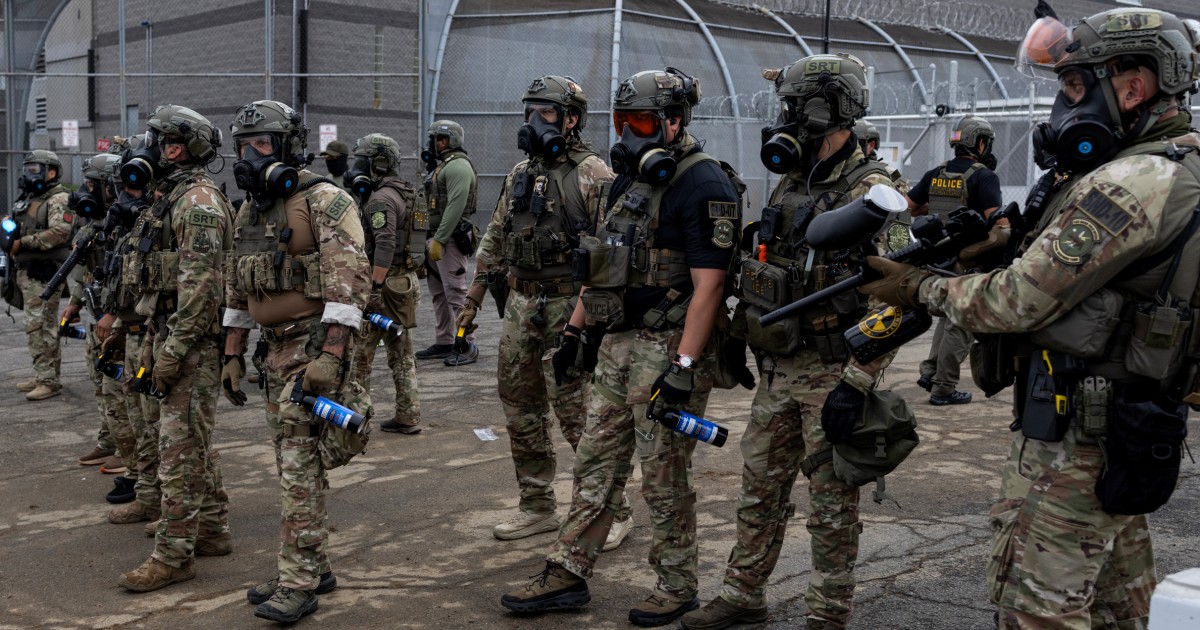
ICE Surge: 4 New Detention Centers, 5,500-Bed Expansion Planned
ICE Plans New Detention Centers: What You Need to Know
What’s Happening?
Imagine a really big school building that can hold 5,500 students. Now imagine that building isn’t for learning—it’s for holding people who are waiting to see if they can stay in the country or need to leave. That’s basically what ICE (Immigration and Customs Enforcement) is planning to build.
IMPORTANT POINT
ICE wants to sign contracts for new detention facilities in four major cities. Together, these centers would have space for 5,500 people at the same time.
Where Will These Centers Be?
The new facilities would be built in ICE’s "jurisdictions"—think of these like regional offices that cover specific areas. Here are the four locations:
- Seattle (covers the Pacific Northwest)
- Philadelphia (covers the Northeast)
- Miami (covers Florida and the Caribbean)
- Denver (covers the Mountain West region)
Think of it like this: Just like a pizza delivery place has different zones, ICE divides the country into zones. Each zone gets its own detention center.
Why Is This Happening Now?
This isn’t happening in a vacuum. Here’s the timeline:
- The Plan: ICE released a public document (called a "solicitation") asking companies to bid on building and running these centers
- The Goal: This is part of a bigger push to increase immigration arrests
- The Context: All of this is happening while the agency is under a microscope
Why Are People Concerned?
Two Recent Shootings Have Raised Questions
In the past few weeks, two people were shot and killed by ICE officers in separate incidents. This has made many people ask:
- Are officers properly trained?
- What rules do they follow when using force?
- Who holds them accountable when things go wrong?
IMPORTANT CALL
The timing matters: The plan to expand detention space comes at the same time as these shootings have drawn national attention. Critics worry that more arrests + more detention space + less oversight = a dangerous combination.
What Happens Next?
The process works like this:
- Companies submit proposals to build and run the facilities
- ICE reviews the bids and picks winners
- Contracts get signed (this is the step mentioned in the news)
- Construction or renovation begins
- Facilities open and start accepting detainees
Summary
| Key Fact | Details |
|---|---|
| What | New ICE detention facilities |
| Where | Seattle, Philadelphia, Miami, Denver |
| Capacity | 5,500 people total |
| Why | Part of push to increase immigration arrests |
| Concern | Two recent fatal shootings by ICE officers |
| Status | Public solicitation issued—contracts not yet signed |
Frequently Asked Questions
What exactly is ICE?
ICE stands for Immigration and Customs Enforcement. It’s a federal agency under the Department of Homeland Security. Their main jobs are enforcing immigration laws and investigating crimes that cross borders (like human trafficking or drug smuggling).
What is a "detention facility"?
It’s a place where people are held while their immigration cases are decided. Think of it like a waiting room—but one you can’t leave. Some are run by the government, others by private companies paid by the government.
Who are the people being detained?
They’re typically people who:
- Entered the U.S. without permission
- Overstayed a visa
- Are seeking asylum (protection from danger in their home country)
- Have final orders of removal but haven’t left yet
Important: Being in immigration detention is not a criminal punishment—it’s civil detention. But the facilities often look and feel like jails.
What were the shootings mentioned in the article?
Two separate incidents in recent weeks where ICE officers shot and killed someone. The details are still under investigation, but the incidents have sparked protests and calls for more transparency about how ICE uses force.
Can the public stop these facilities from being built?
There are a few ways people push back:
- Local governments can refuse to cooperate or zone against them
- Lawsuits can challenge the contracts or conditions
- Public pressure on elected officials
- Congress controls the funding—so your representatives matter
Bottom Line: The government wants more space to hold immigrants while their cases are processed. This comes during a time when ICE’s use of force is being questioned. Whether these centers get built depends on contracts, funding, and public response.