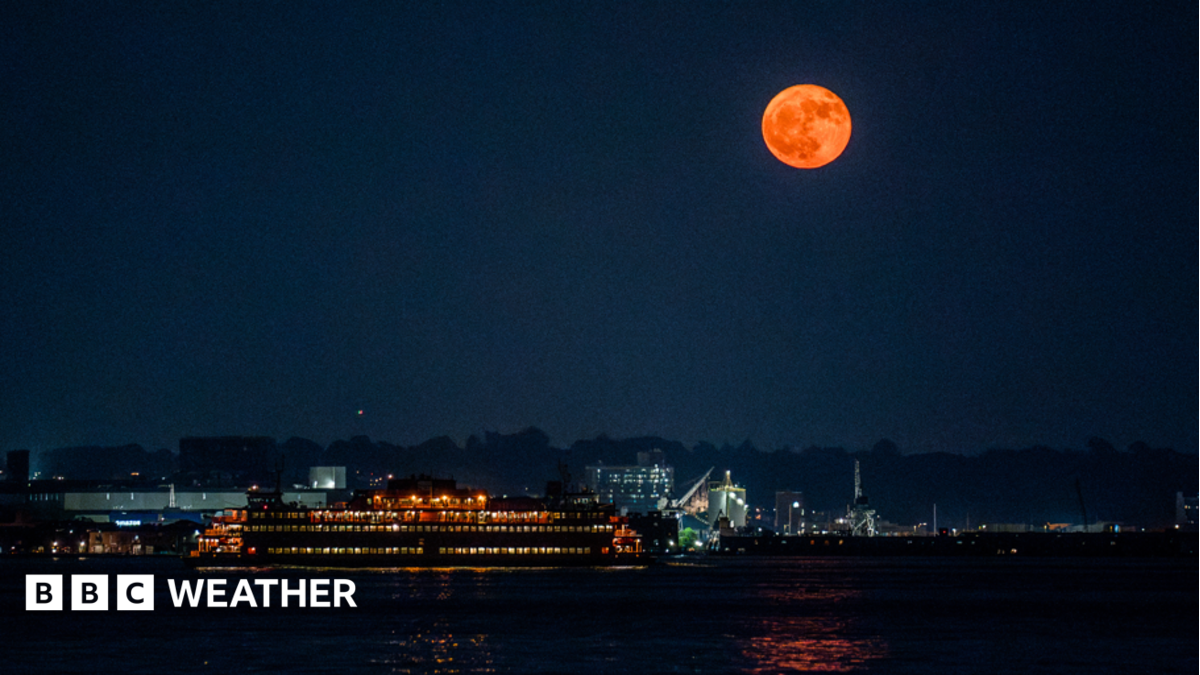
Strawberry Moon 2026: When & How to See It in the UK
UK Weather Update: From Record Heat to Cooler Skies
What’s Happening With the UK Weather?
The United Kingdom just went through a record-breaking heatwave — that means it got really, really hot, hotter than it has been before! But here’s the good news: things are about to change.
A big wave of cooler and fresher air is making its way in all the way from the Atlantic Ocean. Think of it like opening a window stuffy room and letting in a nice, cool breeze. That’s basically what’s happening on a giant scale!
What does this mean for you? The scorching temperatures are dropping, and the weather is shifting. If you’ve been melting in the heat, relief is on the way! Just be prepared for some rain, especially if you’re up north.
A Settled Start But Weather Approaches
Early in the week, it’s not just temperatures that are changing — there’s also more active weather on the way. People across the UK should know that unsettled conditions are expected to arrive.
The transition will be fairly calm at first. On Monday, many places will be dry with sunny spells. Sounds like a nice day to get outside, right? Well, enjoy it while it lasts! An area of low pressure — basically a storm system — during the evening and overnight.
Monday night brings:
- Thicker clouds rolling in from the west
- Outbreaks of rain pushing across the country
- The wet weather arriving while most people are asleep
What does "low pressure" mean? In simple terms, low pressure in weather is like a magnet for clouds and rain. When meteorologists say "low pressure is approaching," it almost always means wet and windy weather is coming soon.
Who Gets the Rain and Who Gets the Sun?
Not everyone in the UK will get the same weather. Here’s the breakdown:
Cloud and Rain Likely
- Scotland
- Northern Ireland
- Northern England
These parts of the country will see most of the cloudy and wet weather. If you live here, grab your umbrella and raincoat!
Better Chances for Clear Skies
- The Midlands
- Wales
- Southern England
If you live in these areas, you’re luckier — you’ll have a much better chance of staying dry and enjoying clearer skies. Not a bad deal!
Check the forecast where you live here
Did You Miss the Full Moon? Don’t Worry!
Were you hoping to see the full Moon this week but clouds or rain got in the way? Don’t stress — you still have more chances!
There are two more full Moons coming up during metometeorological summer:
-
The Buck Moon — rising on 29 July
- It’s called the Buck Moon because this is the time of year when male deer (called bucks) start growing new antlers on their heads. Think of antlers like big, branchy horns!
- The Sturgeon Moon — rising on 28 August
- It’s called the Sturgeon Moon because Native Americans used this time to catch lots of sturgeon, a big type of freshwater fish, in the Great Lakes. It’s one of the largest fish you can find in North American lakes!
Summary
| What | Details |
|---|---|
| Before | Record-breaking heatwave across the UK |
| Now | Cooler air arrives from the Atlantic Ocean |
| Monday Daytime | Dry with sunny spells for many areas |
| Monday Night | Rain pushes in from the west, thick clouds |
| Wet Weather For | Scotland, Northern Ireland, Northern England |
| Drier & Clearer For | Midlands, Wales, Southern England |
| Next Full Moon | Buck Moon on 29 July, Sturgeon Moon on 28 August |
Frequently Asked Questions (FAQ)
1. When will the cooler weather arrive in the UK?
The cooler and fresher air from the Atlantic is already moving in, with the biggest changes happening during Monday night as rain and clouds push across from the west. The temperature drop will continue into early next week.
2. Will it rain everywhere in the UK?
No. While Scotland, Northern Ireland, and northern England will see most of the rain, the Midlands, Wales, and southern England have the best chances for staying dry with clearer skies.
3. What is meteorological summer?
It’s how meteorologists (weather scientists) define summer as the months of June, July, and August — making it easier to keep track of weather records. So when you hear "two more full Moons in meteorological summer," it means before the end of August.
4. Why is it called the Buck Moon?
Great question! The Buck Moon gets its name from male deer (bucks) because July is when they typically start sprouting new antlers — the big, branchy horns on their heads.
5. When is the Sturgeon Moon, and why is it called that?
The Sturgeon Moon rises on 28 August. It’s called the Sturgeon Moon because Native Americans traditionally caught large amounts of sturgeon fish in the Great Lakes during this time of year.


