 11
11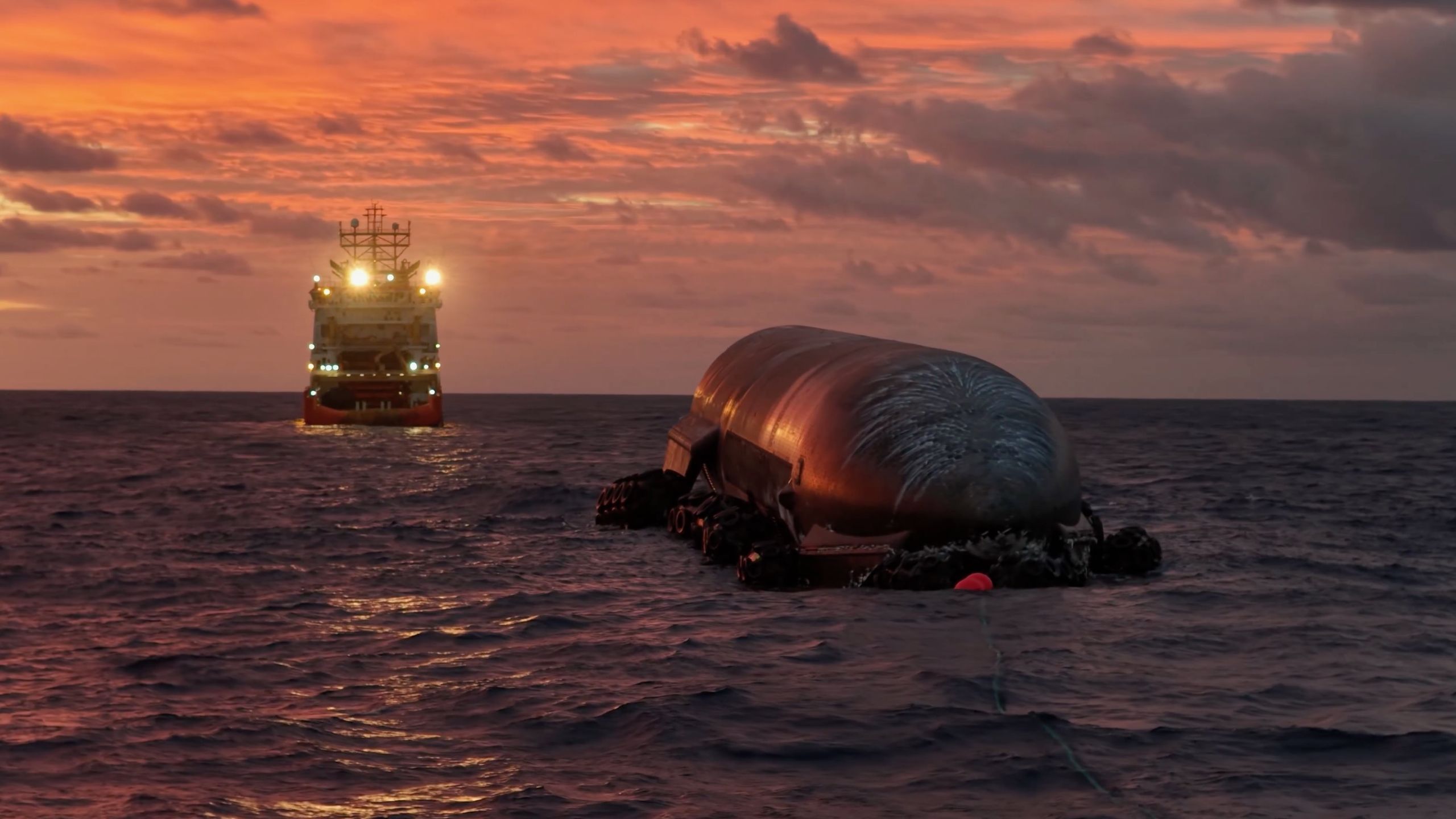
TL;DR: SpaceX’s massive Starship rocket had a mostly successful test flight, but the recovery of the upper stage hit a snag when rough ocean waves prevented teams from towing it to shore. The good news? The rocket’s heat shield — the trickiest part to perfect — appears to be working beautifully.
Imagine a skyscraper that can fly to space. Starship is the tallest, most powerful rocket ever built — standing 408 feet (124 meters) tall when fully stacked. That’s taller than the Statue of Liberty!
It has two main parts:
The big dream: Both parts are designed to fly back, land, refuel, and fly again — like airplanes, but for space. This "rapid reusability" could make space travel dramatically cheaper.
On July 24, 2026, Starship lifted off from Starbase in South Texas for its 13th test flight. Here’s the play-by-play:
Usually, when Starship’s upper stage hits the ocean, it breaks apart or sinks. Not this time.
IMPORTANT POINT
For the first time ever, Ship stayed in one piece after splashdown! Even after tipping over and bobbing in the waves, the 171-foot-tall rocket remained intact. It floated in the Indian Ocean for over two weeks while SpaceX teams tried to tow it to shore.
SpaceX sent a recovery team to grab Ship and tow it to a port in Western Australia. But the ocean had other plans.
Even if Ship is lost to the sea, the mission wasn’t a waste:
When a spacecraft falls back to Earth, it hits the atmosphere at 17,000+ mph. The air compresses in front of it, creating temperatures hotter than the surface of the Sun. Without protection, the rocket would melt.
Ship is covered in thousands of heat-resistant tiles (similar to the Space Shuttle, but more advanced). Developing this shield has been the single hardest engineering challenge for Starship.
"I don’t want to jinx it, but I think I’d consider the heat shield problem solved at this point."
— Elon Musk, August 4, 2026 (during SpaceX’s first quarterly earnings call)
If true, this is huge. It means Starship can survive the trip home — a prerequisite for rapid reuse.
SpaceX has massive plans that all depend on Starship working reliably:
| Goal | What It Means |
|---|---|
| 100,000+ Starlink V3 satellites | A mega-constellation for global high-speed internet, launched in batches by Starship |
| Million-satellite AI constellation | An even more ambitious network for AI-powered services from orbit |
| Moon & Mars missions | NASA has contracted Starship to land astronauts on the Moon (Artemis program) |
| Point-to-point Earth travel | Someday: New York to Tokyo in under an hour |
Flight 13 was a suborbital test (didn’t go all the way around Earth), but deploying real Starlink satellites was a major milestone — a preview of Starship’s future day job.
SpaceX learns from every test — even the ones that don’t end perfectly. As they say in the rocket business: "Test, fly, learn, repeat."
A: They’re still testing! Early flights use ocean splashdowns because it’s safer — if something goes wrong, no one gets hurt. Later flights will attempt catch-landings using the "chopstick" arms on the launch tower (they’ve already done this with the Super Heavy booster!).
A: V3 satellites are bigger, heavier, and more capable than current Starlinks. They’re too large for Falcon 9 rockets — only Starship has the payload capacity to launch them efficiently by the thousands.
A: The heat shield protects against heat during re-entry. Tipping over happens after splashdown due to waves and the rocket’s top-heavy design. That’s a separate engineering challenge (adding flotation or landing legs).
A: SpaceX hasn’t published official prices, but Elon Musk has stated a long-term goal of under $10 million per launch — compared to $60M+ for Falcon 9. Reusability is the key to this cost drop.
A: NASA’s Artemis III mission (targeting no earlier than 2027) plans to use Starship to land astronauts on the Moon. Before that, SpaceX will fly dearMoon (a private lunar flyby) and extensive uncrewed tests.
Want to watch the next launch? Follow @SpaceX on X or check SpaceX.com for live streams. The next test could fly as soon as this month!