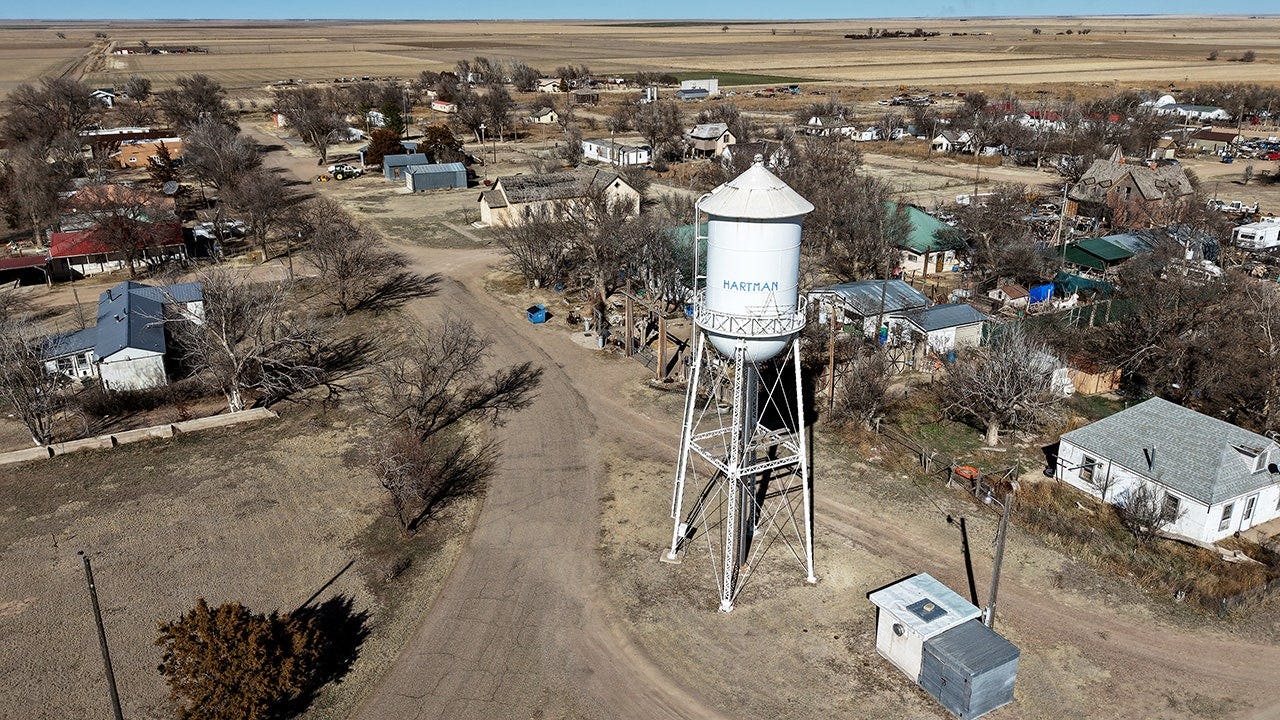
Colorado Town Declared Abandoned: Officials Quit, Water Collapses
Tiny Colorado Town Officially Declared "Abandoned" After All Leaders Quit — Water Crisis Follows
Imagine a town so small that everyone knows everyone. Now imagine that town has no mayor, no town council, no clerk, and no one to fix the broken water system. That’s exactly what happened in Hartman, Colorado — a town of just 30 people — and the state had to step in with a rare legal move: declaring the town "abandoned."
What Happened in Hartman?
Hartman is a tiny dot on the map in southeast Colorado (Prowers County). In early 2026, it lost every single elected official:
- The mayor resigned in October 2025
- All three trustees (like city council members) quit in January 2026 — the day after a physical brawl broke out between four women at a public meeting
- The town clerk position was already empty
Key Fact: With zero officials left, Hartman couldn’t hold elections, sign contracts, spend money, or legally do anything — including fixing its dangerous water system.
Why Did Everyone Quit?
According to former trustee Pam Packer, the resignation wasn’t about politics — it was about safety.
"Our safety was more important than having a government."
— Pam Packer, former trustee
The Denver Post also reported that Hartman had been dealing with:
- Embezzlement allegations (money stolen by someone in power)
- Restraining orders between residents/officials
- A toxic environment that made public service feel unsafe
The Water Crisis: A Health Hazard
While the government collapsed, the water system kept running — poorly. Here’s what residents faced:
| Problem | Details |
|---|---|
| No chlorine | Over a month without disinfectant |
| Not potable | Water unsafe to drink ("smells horrible") |
| Boil advisory | In effect since October 2025 |
| Broken water tank | Compromised — needs repair or full replacement |
| No operator | Nobody licensed to run the system |
| $1M+ in grants stuck | State gave money for fixes, but it’s reimbursement-only — and with no officials, the town can’t sign contracts to do the work and get repaid |
CALLOUT: THIS IS A PUBLIC HEALTH EMERGENCY
The Colorado Department of Local Affairs (DOLA) testified that Hartman faces a "public health threat." Without a functioning government, residents were stuck in legal limbo — no one could legally fix the water, apply for help, or even hold an election to replace leaders.
How the State Stepped In: The Abandonment Process
A resident named Jessie Simmons took action. Here’s how it worked, step by step:
Numbered Steps: How a Town Gets Declared "Abandoned" in Colorado
-
Resident files a formal request
Jessie Simmons (a Hartman resident, landowner, and voter) wrote to the Colorado Secretary of State in mid‑June 2026, citing:- No board of trustees
- No town clerk
- Can’t hold elections
- Owns critical water infrastructure
- Water is unsafe
-
State holds a public hearing
On July 13, 2026, the state listened to testimony — including from Eric Bergman, head of DOLA’s Division of Local Government. -
Evidence shows total government collapse
Bergman confirmed:- DOLA visited Hartman 30+ times since 2022 to help with elections, budgets, audits, training
- All trustees resigned in January 2026
- No officials remain — nobody can approve contracts, spend funds, certify elections, or manage water
- Deputy Secretary of State issues order
Andrew Kline ruled that abandonment is the only legal path to restore clean water. Under Colorado law (§ 31‑3‑201(1)(b)), this declaration unlocks a fix.
What Happens Next?
The abandonment order triggers an automatic transfer of responsibility:
Who Gets What?
| Asset | New Owner | What They Must Do |
|---|---|---|
| Streets, avenues, alleys | Prowers County Board of Commissioners | Maintain roads |
| Water infrastructure (treatment, pipes, tank) | Prowers County → then transferred to a water district or utility | Fix the system, restore clean water |
Goal: Get the water system into the hands of an entity whose primary job is water treatment/delivery — so Hartman’s 30 residents finally get safe, reliable tap water.
Important Points
CALLOUT: WHY THIS MATTERS
- Rare but real: Colorado has a law for when a town literally has no government left.
- Not "ghost town" — "legal abandonment": People still live there. The government is gone.
- Grants were wasted: Over $1 million in state aid sat unused because no one could sign the paperwork.
- Safety first: The state acted because people’s health was at risk — not for politics.
- A model for others: This shows how states can step in when ultra‑small towns collapse.
Summary
Hartman, Colorado (pop. 30) lost every elected official after a meeting brawl and ongoing turmoil. With no government, the town couldn’t fix its broken, unsafe water system — no chlorine, boil advisory for months, $1M+ in grants frozen. A resident petitioned the state, a hearing proved total collapse, and the Secretary of State declared the town "abandoned." Now Prowers County takes over the streets and water system, and must hand the water infrastructure to a professional water provider. The goal: clean, safe water for the 30 people who still call Hartman home.
FAQ
Q: Does "abandoned" mean everyone moved away?
A: No! About 30 people still live there. "Abandoned" is a legal term meaning the municipal government has ceased to function — not that the town is empty.
Q: Why couldn’t they just hold a new election?
A: With no clerk, no trustees, and no mayor, there was no one legally allowed to call, run, or certify an election. The system was completely frozen.
Q: What is a "boil advisory"?
A: It’s a public notice telling residents to boil tap water before drinking, cooking, or brushing teeth because it may contain harmful bacteria or parasites.
Q: Who pays to fix the water system now?
A: Prowers County takes ownership, then transfers it to a water district or utility (like a special district or nearby town’s water department). That entity will use state grants, loans, or ratepayer funds to repair it.
Q: Could this happen in other tiny towns?
A: Yes. Colorado has dozens of towns under 100 people. If they lose all officials and can’t provide basic services (especially water), the same law (§ 31‑3‑201) allows the state to declare abandonment and transfer assets to a county or special district.