Understanding the Bagged Lettuce Scare and the Cyclospora Parasite
A Writer Who Saw It Coming
Nick Florko, a writer at The Atlantic, wrote an article more than a year ago called “Now Is Not the Time to Eat Bagged Lettuce.” He didn’t mean to brag, but that article now looks like he predicted the future!
- Back then, there was no big outbreak yet.
- He was worried because leafy greens are the most common cause of food poisoning.
- He also feared the Trump administration was making the U.S. food safety system weaker.
What Is Happening Now?
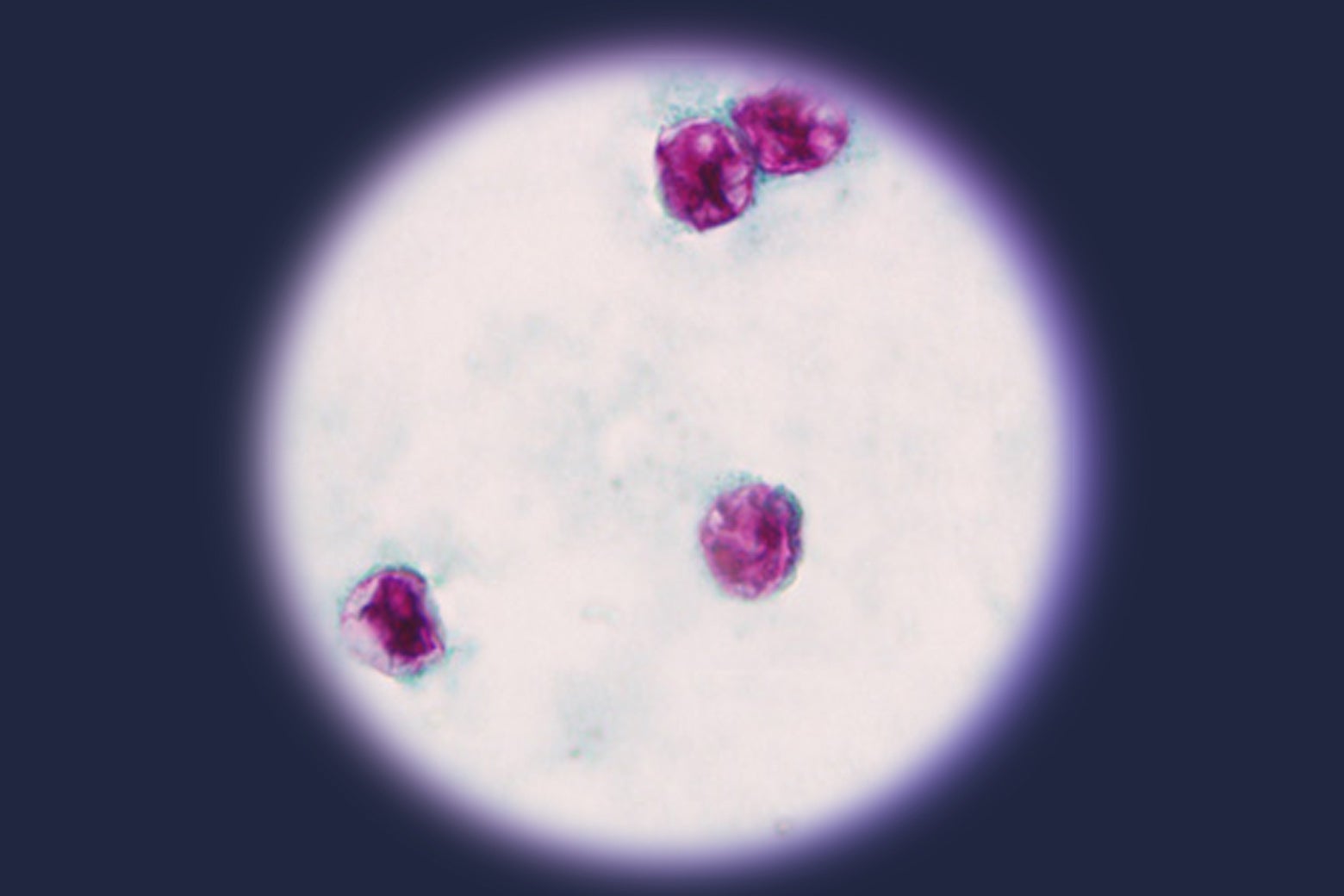
Before Florko’s warning, a parasite called Cyclospora cayetanensis started spreading.
- It is a tiny germ (parasite) that causes explosive diarrhea.
- It has now spread to 34 states and counting.
- We don’t know exactly what caused this outbreak, but lettuce is a suspect.
- Taco Bell is being looked at (or blamed by the White House).
- Cyclospora also likes to hide on raspberries and cilantro.
Important: Cyclospora is very hard (maybe impossible) to wash off your food. And after you swallow it, you might not feel sick for weeks!
How Sick Does It Make You?
The good news is:
- The illness goes away with antibiotics (medicine that kills germs).
- It is not fatal (does not kill people).
- But symptoms can last for weeks.
Florko says it feels like riding waves:
- You get really sick.
- You think you’re fine.
- You go about your day.
- You get sick again.
- This keeps happening until you get treated.
Talking to the Expert
On a podcast called What Next, Mary Harris talked with Nick Florko about this “Cyclospora summer.” Here is what they explained in simple terms.
What Is Cyclospora?
- It is a parasite (a tiny organism that lives off others).
- It spreads through human poop.
- The poop must sit in nature for about two weeks to become infectious.
- If it touches food, the food is contaminated.
- If you eat it, you get explosive diarrhea.
How Does Poop Get on Food?
You might imagine a big pile of poop, but it’s not like that.
- Cyclospora is microscopic (so tiny you can’t see it).
- A water source gets a tiny bit of poop in it.
- That water is used to water a farm field.
- The germ lands on the food.
- You can’t see it, but it’s there.
Why Is This Bug New to the U.S.?
- Scientists used to think Cyclospora only lived in tropical places.
- Then they found homegrown U.S. cases.
- We still don’t know why this changed.
- We only discovered this germ in the 1990s, so science is still learning.
- It is harder to track than other food germs.
Why Is It So Hard to Track?
Two big reasons:
- Slow life cycle: It takes time to become infectious, and time to make you sick.
- No genetic fingerprint: For most germs, labs can make a “genetic ID” from poop or food to link cases.
- With Cyclospora, you can’t grow it easily in a lab.
- There isn’t enough of it in stool to study simply.
What Are Officials Telling Us?
This outbreak is scary but usually not deadly, so officials are calm.
- The CDC (a U.S. health agency) held a call and told people to wash vegetables.
- But washing does not remove Cyclospora.
- Florko finds that advice frustrating, but it may be the best they can say right now.
Callout: Washing your veggies will NOT get rid of Cyclospora. Be aware!
Is the Government Doing Enough?
Some people criticize the Trump administration for cutting food safety programs.
- A program called FoodNet used to watch for Cyclospora, Listeria, Salmonella, and E. coli.
- Now it only looks for Salmonella and E. coli.
- Florko says FoodNet was for intelligence, not active outbreak tracking, so we still have some systems.
But:
- Cutting any surveillance (watching for germs) of a mysterious bug is not good.
- The CDC and FDA (Food and Drug Administration) have had major turmoil and lost leaders.
- That might put us at a disadvantage.
Slow Information Flow
- States report cases faster than the CDC.
- Example: Last week CDC said 200 cases; Michigan said thousands.
- CDC now promises more frequent updates, but why was it so slow before?
Testing Problems
During COVID, less testing meant lower case numbers. Could that happen here?
- CDC told doctors: “There’s a big outbreak; here is the test to use.”
- Doctors don’t normally test for this, so the alert helps.
- No one has said “don’t test,” but things could change.
Also:
- Thousands of tests were waiting to be processed.
- Public health labs have little funding and struggle with big test surges.
- We hoped to fix this after COVID, but we haven’t.
Summary
Nick Florko warned early about bagged lettuce. Now Cyclospora, a poop-based parasite, is making people sick in 34 states through foods like lettuce. It’s hard to wash off and slow to show symptoms. It’s not deadly and cures with antibiotics, but tracking it is tough. Official advice (wash veggies) doesn’t fully work, and government cutbacks may slow our response. Stay informed and careful!
FAQ
Q1: What is Cyclospora in kid words?
A: It’s a tiny invisible bug from poop that gets on food and gives you really bad diarrhea.
Q2: Can I wash it off my lettuce?
A: No. Washing helps with dirt but won’t remove this parasite.
Q3: Will I die from it?
A: Almost certainly not. It goes away with antibiotics, though it can last weeks.
Q4: Why don’t we know where it came from?
A: It’s new to the U.S., hard to grow in labs, and slow to make people sick, so tracking is tricky.
Q5: Is the government still watching for it?
A: Some programs were cut, but states and CDC still track outbreaks, though info has been slow.
 1
1