Popular Posts

NBA Offseason Madness: Gary Trent M? DeAndre Jordan 2 Years? Explained!

NBA Offseason Madness: Gary Trent $64M? DeAndre Jordan 2 Years? Explained!

Why Did NBA Teams Make These Weird Moves? Explaining the 2026 Offseason Head-Scratchers

The NBA (that’s the top basketball league in the USA) can be super unpredictable. Sometimes teams do things that make no sense at first glance. Remember when Luka Dončić got traded for Anthony Davis out of nowhere? That was wild!

The 2026 offseason (the period when teams can trade players and sign new contracts) wasn’t that crazy, but it still gave us plenty of “Wait, they did WHAT?” moments. Stars kept moving to unexpected teams, and even backup players got weird deals. Except for Giannis Antetokounmpo and maybe Kawhi Leonard (still unknown due to an investigation), most stars didn’t land where we thought.

Let’s break down four puzzling moves and try to understand what teams were thinking.

Important: This article explains real reported events from the 2026 NBA offseason in simple terms. All facts come from the original report.


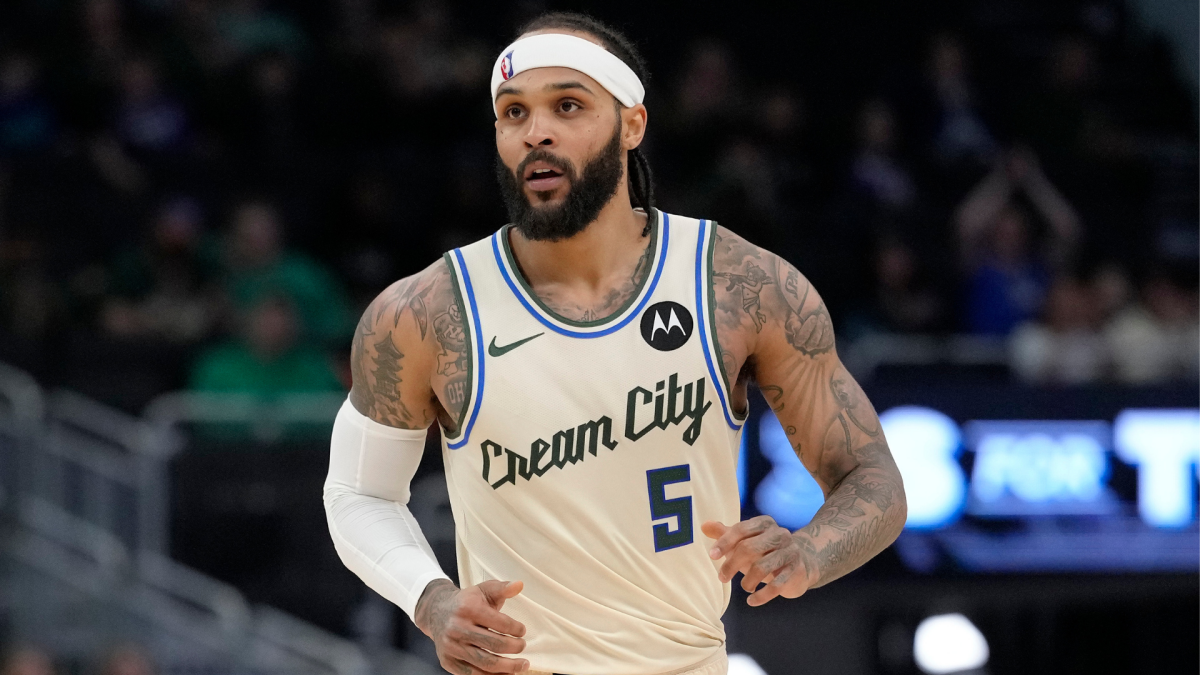
1. Gary Trent Jr.’s $64M Contract with the Bucks

The Milwaukee Bucks gave Gary Trent Jr. a 4-year, $64 million deal. That’s a lot of money for a player who just had a bad year. Here’s the timeline of how we got here:

  • In 2024, Trent finished a 3-year, $51.8M deal with Toronto. Toronto offered ~$15M/year, but he wanted $25M. They pulled the offer.
  • His market cooled. Teams offered ~$5.2M (taxpayer mid-level). Instead, he took a 1-year minimum ($2.6M) to join Milwaukee with friend Damian Lillard. Bucks were over the tax limit, so that’s all they could pay.
  • Year 1 in Milwaukee: fewer minutes, but shot 42% on 3s, 11.1 pts/game. Two 30-point playoff games. Re-signed for a small raise. Bucks had spent money on Myles Turner and Kevin Porter Jr.
  • 2025-26: Trent’s worst year. Fewest minutes since rookie year, 8.1 pts/game, bad defense. Young guards (Rollins, Porter, Green) looked good. Bucks then added more guards via Giannis trade (Herro, Jakučionis), LeVert deal, and drafted Burries.
  • Despite that, Bucks signed Trent for 4 years, $64M — 8th biggest deal of summer. It’s $4M below his max possible in Milwaukee.
  • Bucks have a history: they build “Bird Rights” (a rule letting teams re-sign their own players even over the cap) by underpaying guys, then overpay later (Bobby Portis example). They were also punished in 2022 for early free-agent talks.

Trent just had his worst season, plays a crowded position, and no team was clearly linked to wanting him at this price.

Callout: The Bucks’ move looks similar to the illegal Joe Smith Timberwolves plan (sign cheap to build rights, then overpay). But no team leaves a paper trail today. A secret pre-deal seems more likely than Bucks thinking he earned it.

Maybe the Bucks remember his Toronto days (he’s 27, was a starter, shot well). But they likely misread the market.


2. The Celtics Trading Jaylen Brown to the 76ers

Boston sent Jaylen Brown to Philadelphia. Not as shocking as Luka, but close. Brown made All-NBA, led Celtics to 56 wins without Tatum, yet returned only one extra first-round pick and no role player.

Why would they do it?

  • Brown’s shooting and passing aren’t super efficient. His on-off stats are meh.
  • But in playoffs, making hard shots and guarding stars matters more.
  • Celtics paid him 35% of the salary cap (the total money teams can spend). That’s “MVP money.” He’s not an MVP.
  • With Tatum, their combined cap hit went from 47% (championship year) to 70%. Only the 2022 Warriors paid two guys that much and won.
  • Usage rate (how much a team’s possessions a player uses): Brown 36.2%, with Tatum 62.3% combined. Champs like Knicks (54.7%) and Thunder (lower) share more.
  • Celtics may bet on Pritchard, George as support, and young players. The two picks are trade ammo.

Callout: The Celtics’ logic: they didn’t want two ball-dominant stars eating all money and shots. They’re rebuilding around depth.

It might age well if Brown was overrated. Time will tell.


3. Ja Morant to the Trail Blazers

Portland got Ja Morant. This is like when Lakers got Westbrook: bad fit.

  • Blazers added Jrue Holiday for defense last year. Now they may start Lillard (36, torn Achilles) and Morant — possibly worst defensive backcourt ever.
  • Morant drives to rim, but so does Deni Avdija. Neither shoots well enough to help the other. Avdija may regress on defense.
  • Looks like 2021-22 Lakers mess.

Why? Blazers owner likes “distressed assets” (cheap risky bets). They gave up only matching salary, no picks. If Morant fails, he’s expiring contract (gone next year). If he pops, All-Star for free.

Callout: Risk: they hurt Avdija’s future extension and benched young guards Henderson/Sharpe. Memphis traded him for subtraction; Portland may get subtraction by addition.

Explainable, but not good.


4. DeAndre Jordan Re-Signing with the Pelicans

New Orleans gave DeAndre Jordan (old vet) 2-year minimum. Here’s the catch:

  • Vets have higher minimums; NBA pays teams the difference for 1-year deals only.
  • Jordan got 2 years, so Pelicans pay full $3.9M/year, no refund. Careless?
  • Pelicans already made sloppy moves (traded pick before Haliburton injury, sent unprotected pick for Queen).
  • Reported: Jordan had 1-year offer elsewhere; Pelicans topped it. He’s a loved locker-room guy.
  • Pelicans have $9M under tax, low goals. They kept same roster, new coach. Jordan helps mentor.

Callout: For a team not near the tax, $1.5M extra isn’t fatal. They hope he helps the coach’s message.

Not wise, but explainable.


Summary

The 2026 NBA offseason had head-scratching moves:

  • Bucks overpaid Trent maybe via rights loophole.
  • Celtics traded Brown to avoid two-star cap/shot crunch.
  • Blazers took Morant as cheap risk with bad fit.
  • Pelicans mistakenly gave Jordan 2-year min, but it’s harmless.

Teams often have hidden logic, even if fans are confused!


FAQ

Q: What is the salary cap?
A: It’s the total amount of money a team is allowed to spend on player salaries in a year.

Q: What are Bird Rights?
A: A rule letting teams re-sign their own players for more money than the cap normally allows, built by keeping them over years.

Q: Why do teams take “distressed assets”?
A: They hope a cheap, risky player becomes good, and if not, his contract ends soon with little lost.

Q: What does “usage rate” mean?
A: How many of a team’s plays a player finishes with a shot or turnover. High means ball-dominant.

Q: Are the Pelicans in trouble from Jordan’s deal?
A: No, they have space and low goals, so the extra cost is small.

Leave a Reply

Your email address will not be published. Required fields are marked *