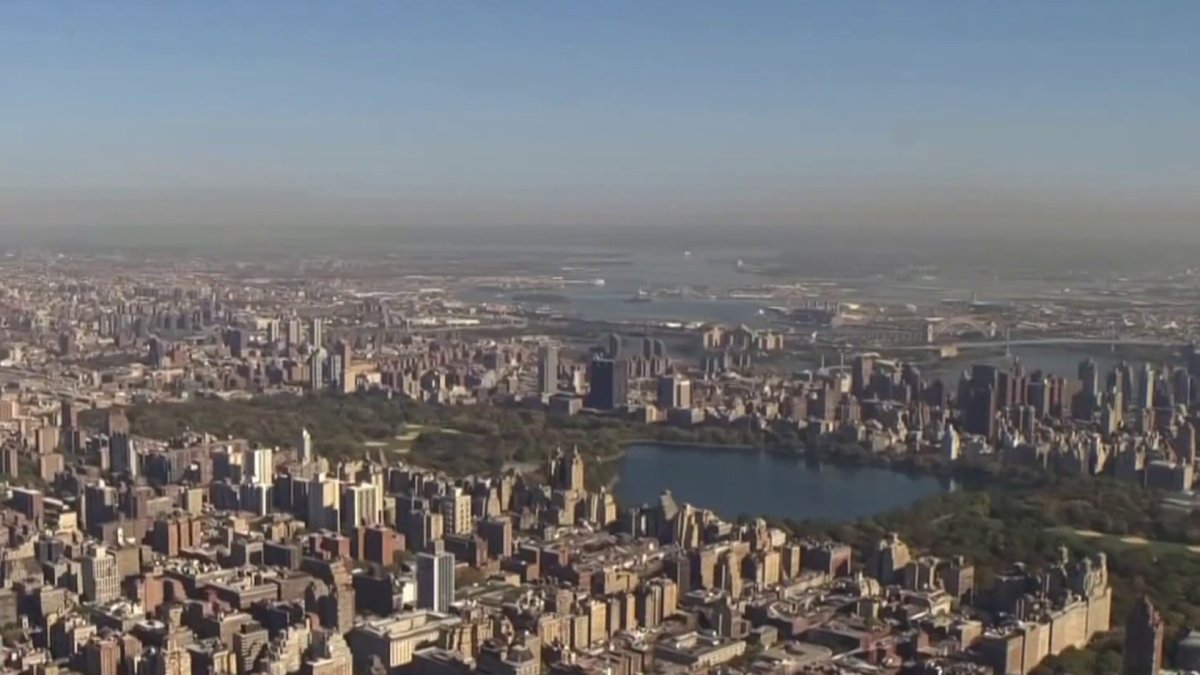
NYC Homeowners Furious After Surprise ‘Pied-à-Terre’ Tax Hit
NYC Homeowners Push Back Against New "Pied-à-Terre" Tax List
What’s Happening in New York City?
Hundreds of New York City homeowners recently received unexpected notices in the mail. The city is warning them they might owe a new tax called the "pied-à-terre tax." But many of these homeowners are angry and confused. They say the tax was supposed to target wealthy people from other cities or countries who buy NYC apartments just for occasional visits—not regular New Yorkers.
NBC New York’s Melissa Russo reported on this growing backlash on July 29, 2026.
What Is a "Pied-à-Terre" Tax?
Important Point: "Pied-à-terre" is French for "foot on the ground."
In real estate, it means a second home—usually a small apartment in a big city—that someone uses occasionally (like for work trips or weekend getaways), not as their main residence.
The Idea Behind the Tax
- Goal: Discourage ultra-wealthy non-residents from buying up NYC apartments and leaving them empty most of the year.
- Why? Empty apartments worsen the housing shortage and drive up prices for locals.
- Who it should hit: Billionaires from London, Dubai, or Silicon Valley who own a $10M condo they visit twice a year.
Why Are Regular Homeowners Upset?
The city sent warning letters to hundreds of property owners flagged as possible pied-à-terre owners. But many recipients say:
| Homeowner Type | Why They’re on the List | Their Argument |
|---|---|---|
| NYC residents who own a second apartment in the city | City records show they don’t live there full-time | "This is my work apartment / my parents’ apartment / my kid’s college pad—I live in NYC!" |
| Long-time locals with inherited or family properties | Property isn’t their primary address on file | "I’ve paid NYC taxes for 30 years. I’m not a foreign oligarch." |
| Landlords renting out units | Units appear "vacant" in city databases | "My tenants just moved out—I’m renovating!" |
Key Complaint: The tax was sold as a "billionaire tax," but the net caught middle-class and working New Yorkers too.
What Mayor Mamdani Says
Mayor Mamdani (as referenced in the report) insists the tax is narrowly targeted:
"This is about fairness. We’re going after people who treat NYC housing like a savings account—not families who actually live and work here."
His administration says:
- The warning letters are just a first step—not a final bill.
- Homeowners can appeal or prove residency to get off the list.
- The tax rate would be progressive (higher for more expensive homes).
How the Process Works (Step-by-Step)
- City analyzes property records → Flags homes where owner’s primary address ≠ property address.
- Warning letters mailed → "You may owe the pied-à-terre tax."
- Homeowner responds → Submits proof (tax returns, utility bills, voter registration, etc.).
- City reviews → Removes legitimate residents from the list.
- Final list published → Only confirmed non-resident owners get taxed.
Important: Receiving a letter does not mean you owe money yet. It means prove you live here.
What Homeowners Should Do Now
If you got a letter—or want to be ready—follow these steps:
- Don’t panic. A letter ≠ a tax bill.
- Gather proof you live in NYC:
- NYS driver’s license / ID with current address
- Voter registration
- Federal & state tax returns showing NYC address
- Utility bills (ConEd, water, internet) in your name
- Lease or mortgage statements for your primary home
- Respond by the deadline listed in the letter.
- Keep copies of everything you send.
- Contact 311 or the Department of Finance if you need help.
Bigger Picture: Why This Matters
- Housing crisis: NYC has ~40,000+ vacant investment units while thousands are homeless.
- Tax fairness: Should a teacher in Queens pay more property tax than a Dubai sheikh with an empty $15M condo?
- Implementation matters: Good policy + bad rollout = angry voters and lawsuits.
Summary
- NYC is rolling out a pied-à-terre tax aimed at non-resident luxury buyers.
- Hundreds of regular homeowners got warning letters by mistake.
- Mayor Mamdani says appeals are easy and the tax won’t hit locals.
- If you got a letter: Respond with proof of residency—don’t ignore it.
- The fight highlights a deeper tension: How to tax empty luxury units without hurting ordinary New Yorkers.
FAQ
What exactly is a pied-à-terre?
A second home used part-time (e.g., a NYC apartment for a CEO who lives in Connecticut). French for "foot on the ground."
Who actually has to pay this tax?
Only owners who:
- Do not use the property as their primary residence
- Are not renting it out long-term
- Own property above a certain value threshold (details still being finalized)
I live in NYC full-time but got a letter. Why?
City databases may show a different primary address (e.g., you own a co-op but your driver’s license has your parents’ address). Fix it by sending proof.
How much is the tax?
Not finalized yet. Proposals range from 0.5% to 4% of assessed value annually, scaled by property price.
Can I be taxed on an apartment my kid uses for college?
Likely yes, if it’s not your primary residence and not rented. But the city may create exemptions for family-use cases—watch for updates.
Reporting by Melissa Russo, NBC New York | Published July 29, 2026