Portland Chokes on Smoke & Scorching Heat: Air Alert Issued
Wildfire Smoke and Heat Wave Hit Portland: What You Need to Know
The Big Picture
Smoke from wildfires burning in Oregon and Washington has drifted into the Portland metro area. This has triggered an air quality alert and raised serious health concerns—especially because triple-digit heat (temperatures over 100°F) is arriving at the same time. The unhealthy air is expected to last through at least Tuesday afternoon.
Important Alert: The Oregon Department of Environmental Quality (DEQ) has issued an air quality advisory for Portland metro (Clackamas, Multnomah, and Washington counties) plus much of Central and Eastern Oregon. Conditions can change quickly as winds shift.
Where Is the Smoke Coming From?
According to Jennifer Horton, an air quality coordinator with DEQ, the smoke reaching Portland is coming from multiple sources:
- Grasshopper Fire in Central Oregon
- Multiple wildfires burning in Washington state
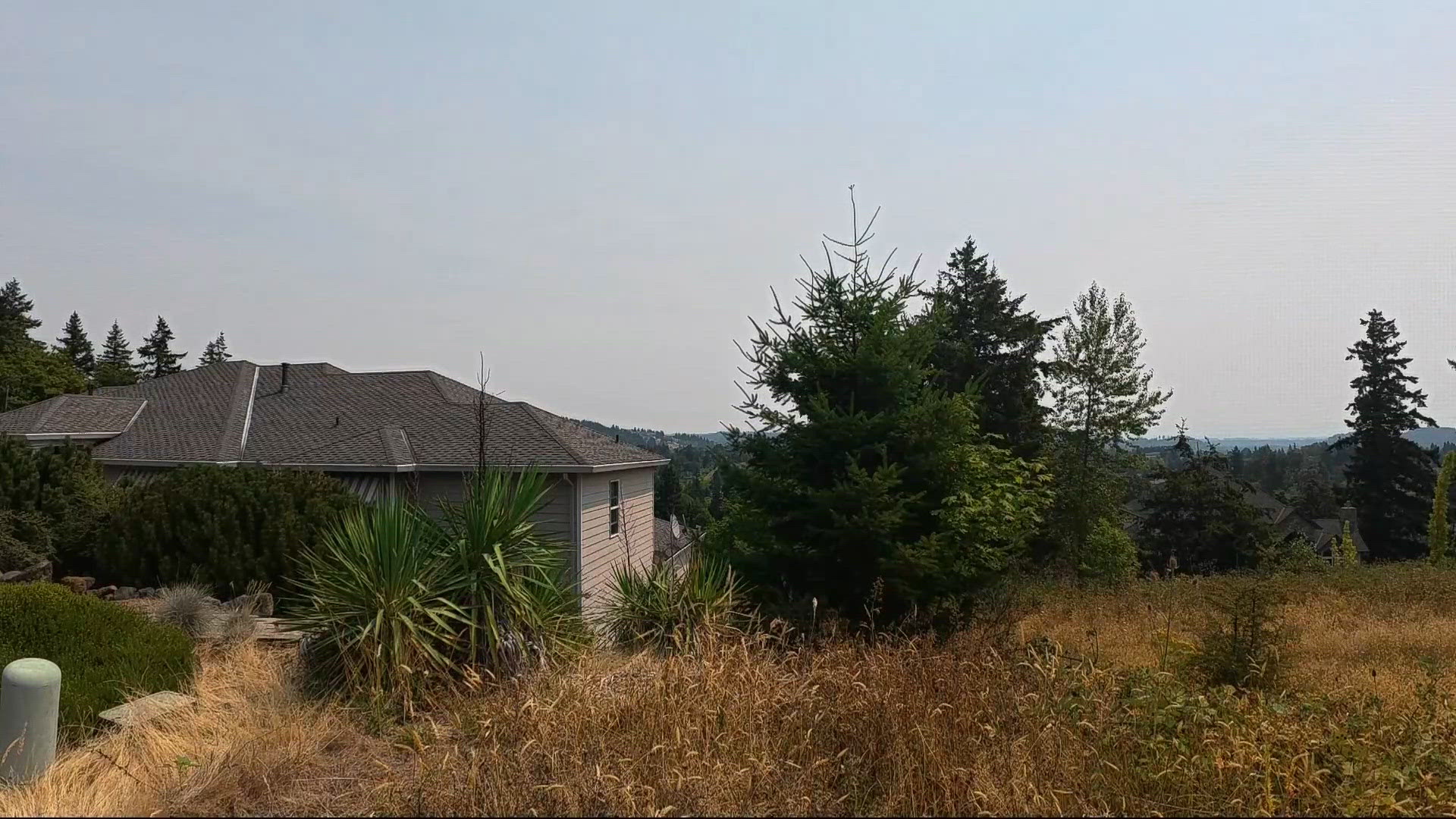
From the top of Mount Talbert in Clackamas County, haze was already visible Monday, making it hard to see beyond the horizon. Visibility was also reduced on Mount Hood.
Real-Life Impact: How Organizations Are Adapting
John Villella helps run Trellis, an adult day program for people with disabilities. With smoke lingering, he’s moving activities indoors to protect participants.
"It definitely will affect the day and quality of care I can provide," Villella said.
At Trellis:
- The next two scheduled events have already been moved indoors
- If future events were planned outdoors, they’d find indoor alternatives
- Villella is already seeing effects: "People getting tired, people getting headaches. I know I do."
Health Risks: Who Is Most Vulnerable?
The combination of wildfire smoke + extreme heat puts extra stress on the body. According to DEQ, people most at risk include:
- Infants and young children
- Older adults
- Pregnant people
- People with heart or lung disease (like asthma, COPD)
Critical Health Warning: "There is no safe amount of wildfire smoke to breathe in, so keep an eye on that air quality, know what your own symptoms are," says Jennifer Horton, DEQ.
Symptoms to watch for: coughing, wheezing, shortness of breath, headaches, fatigue, chest pain.
Emergency Response in Clark County, Washington
Officials across the river in Clark County are also taking action:
- Clark Regional Emergency Services Agency (CRESA) activated its Emergency Operations Center to a monitoring level
- 911 calls related to poor air quality are increasing
- Officials urge residents to limit outdoor activities and avoid large gatherings to reduce strain on first responders
Cooling Shelters Open in Vancouver
As extreme heat moves in, daytime cooling shelters will open in Vancouver starting Tuesday, August 4:
Living Hope Church
- Address: 2711 Northeast Andresen Road, Vancouver, WA 98661
- Hours: Tuesday–Thursday, 1:00 PM – 7:00 PM
- Bus stop: Andresen at Living Hope Church
St. Paul’s Lutheran Church
- Address: 1309 Franklin Street, Vancouver, WA 98660
- Hours: Tuesday–Friday, 11:00 AM – 4:30 PM
- Notes: Pets on leashes welcome; requires walking down 13 concrete steps
Free Transportation to Cooling Centers
- C-TRAN buses will not turn away riders heading to cooling centers
- Tell the operator: "I’m heading to a cooling center"
- Fares will not be enforced
- All buses have air conditioning
Need Help?
Call the Council for the Homeless Housing Hotline: 360-695-9677
- Monday–Friday: 9 AM – 8 PM
- Weekends/holidays: 11 AM – 5 PM
Event Cancellations Across the Metro Area
Poor air quality and heat have forced multiple communities to cancel or postpone outdoor events:
| Community | Event Cancelled/Postponed | New Date (if known) |
|---|---|---|
| Hillsboro | Tuesday Night Market (Aug 4) | — |
| Hillsboro | National Night Out Party Patrols | — |
| Washougal, WA | National Night Out (Tuesday) | TBA |
| Gresham | Gresham Night Out (Aug 4) | — |
| Gresham | Meet Your Water System Night (Aug 4) | — |
| Gresham | Youth Futsal Tournament (Aug 6) | — |
| La Center | National Night Out | Rescheduled to Aug 18 |
Note: Gresham’s Friday Movies in the Park remains scheduled for now—check for updates.
How to Stay Safe: Step-by-Step Guide
Officials recommend these precautions during the smoke + heat event:
1. Stay Indoors When Possible
- Especially if air quality reaches unhealthy levels or you’re in a higher-risk group
2. Seal Your Home
- Keep windows and doors closed
- If you have air conditioning, run it on recirculate mode to keep smoky air out
3. Stay Hydrated
- Drink plenty of water as temperatures climb
4. Avoid Strenuous Outdoor Activity
- No exercising, yard work, or hiking until air quality improves
5. Clean Your Indoor Air
- Use a HEPA air purifier if you have one
- Or install a high-efficiency filter in your home’s ventilation system
6. Monitor Air Quality Frequently
- Conditions change quickly with wind and weather
- Check local air quality resources regularly
7. Follow Your Health Plan
- If you have asthma, heart disease, or respiratory conditions: follow your provider’s treatment plan
- Keep necessary medications on hand
Mask Guidance: What Works and What Doesn’t
DON’T rely on: Cloth masks, dust masks, or surgical masks — they do not protect against the tiny particles in wildfire smoke.
MAY HELP (for adults only): Properly fitted NIOSH-approved N95 or P100 respirators
IMPORTANT:
- N95/P100 masks are not available in children’s sizes
- People with heart or lung conditions should consult their doctor before wearing one
Summary
- Wildfire smoke from Oregon (Grasshopper Fire) and Washington has reached Portland
- Air quality advisory in effect through at least Tuesday afternoon
- Triple-digit heat makes health risks worse—especially for vulnerable groups
- Organizations like Trellis are moving activities indoors
- Clark County sees rising 911 calls; emergency center activated
- Cooling shelters open in Vancouver starting Tuesday, Aug 4
- Multiple events cancelled across Portland-Vancouver metro
- Stay indoors, seal your home, hydrate, monitor air quality, and use proper masks if needed
FAQ: Your Questions Answered
Why is wildfire smoke dangerous even if I’m healthy?
Wildfire smoke contains tiny particles (PM2.5) that can penetrate deep into your lungs and even enter your bloodstream. There is no safe level of exposure. Even healthy people can experience irritation, headaches, and reduced lung function.
How do I check the current air quality near me?
Visit AirNow.gov, Oregon DEQ’s air quality index, or Southwest Clean Air Agency (for Clark County). Many weather apps also show AQI (Air Quality Index). Look for:
- Green (0-50): Good
- Yellow (51-100): Moderate
- Orange (101-150): Unhealthy for sensitive groups
- Red (151-200): Unhealthy for everyone
My child has asthma. What extra steps should I take?
- Keep them indoors with windows closed
- Run AC on recirculate or use a HEPA purifier
- Have their rescue inhaler accessible at all times
- Follow their asthma action plan from their doctor
- Do NOT use N95 masks on children — they don’t fit properly and can make breathing harder
- Contact their doctor if symptoms worsen
Will a regular fan help keep my home cool without AC?
A fan alone won’t lower the temperature—it only moves air. But you can:
- Place a bowl of ice in front of the fan for a DIY cooler
- Run fans at night when outdoor air is cooler (if air quality allows)
- Keep blinds/curtains closed during the day
- Go to a cooling center if your home gets dangerously hot
When will the smoke clear out?
The advisory lasts through at least Tuesday afternoon, but conditions depend on wind direction, fire behavior, and weather. Officials warn conditions can change quickly. Keep checking local air quality resources for real-time updates.
Final Reminder: This is a double threat — smoke AND heat. Protect yourself from both. Check on neighbors, especially elderly or vulnerable people. Stay informed, stay indoors, and stay cool.