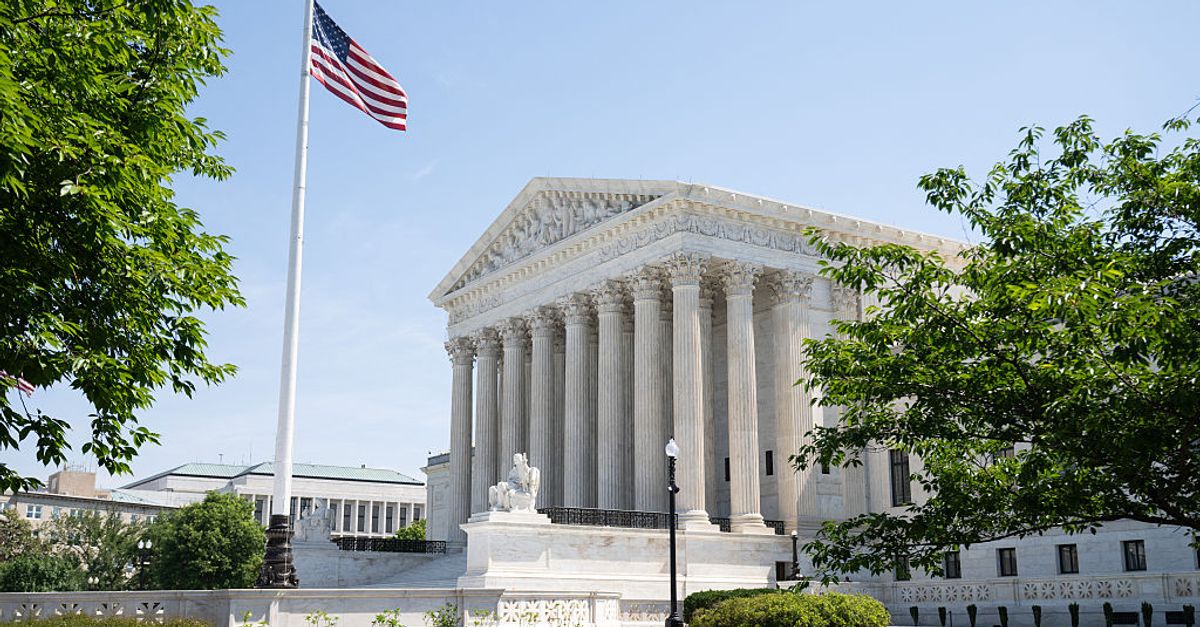
Trump Asks SCOTUS to Greenlight Mail Voting Crackdown
The Supreme Court Showdown Over Mail-In Voting: What You Need to Know
TL;DR: The Trump administration is asking the Supreme Court to let it enforce a new executive order that would change how mail-in voting works—requiring citizenship lists and restricting who gets ballots. Lower courts said "not so fast," and now the highest court has to decide before the November 2026 election.
What Happened? The Short Version
Imagine the government makes a new rule about how you vote by mail. A bunch of states say "that’s not fair, you can’t do that!" A judge agrees with the states and pauses the rule. The government appeals, loses again, and now they’re asking the Supreme Court—the boss of all courts—to step in and let the rule happen anyway. All before a major election in November 2026.
The Executive Order: What Does It Actually Say?
On March 31, 2026, President Trump signed an executive order called "Ensuring Citizenship Verification and Integrity in Federal Elections." Here’s what it tries to do:
- Tells the U.S. Postal Service (USPS) to write new rules for mail-in and absentee ballots
- Tells the Department of Homeland Security (DHS) to create "state citizenship lists"—basically, a list of every U.S. citizen over 18 in each state
- Connects the two: The USPS can only send mail-in ballots to people whose names appear on those citizenship lists
Think of it like this: Before mailing you a ballot, the post office would have to check a government master list to prove you’re a citizen. If you’re not on the list? No ballot for you.
Why Are States Suing?
23 states + Washington, D.C. (led by California) said: "Hold on. The Constitution gives US the power to run elections—not the president."
Their main arguments:
- The Constitution says states decide who can vote (voter eligibility)
- The Constitution says states set the "Times, Places, and Manner" of congressional elections
- The federal government is overstepping by making its own citizenship lists and controlling ballot mailing
What Have Courts Said So Far?
1⃣ Federal District Court (Judge Indira Talwani) — June 25, 2026
"Pause it."
- Blocked the citizenship list and mail-in ballot rules for the November 3, 2026 election
- Only applies in the 23 suing states + D.C.
2⃣ 1st Circuit Court of Appeals — July 26, 2026 (Saturday!)
"Nope, we’re not unfreezing it."
- A divided panel refused to intervene
- Key quote: If the order takes effect, it would "sow confusion and threaten disenfranchisement of many eligible voters."
3⃣ Supreme Court — July 27, 2026 (Monday)
The Trump administration filed an emergency appeal.
- Solicitor General D. John Sauer argues:
- Courts shouldn’t rule yet—agencies haven’t even finalized how they’ll implement the order
- Even if courts can rule, the pause causes "serious irreparable harm"
- There’s not enough time to fix things before November if the pause stays
Important Callout: The Supreme Court has ordered the states to respond by 4:00 PM EDT on Monday, August 3, 2026. That’s fast for the Supreme Court—this is an emergency docket (called the "shadow docket").
Why This Matters: The Real-World Stakes
| If the Order Takes Effect | If the Pause Stays |
|---|---|
| USPS must build new systems to check citizenship lists before mailing ballots | Current mail-in voting rules stay in place for 2026 |
| DHS must compile citizenship data for every state | States keep control of their voter rolls |
| Risk: Eligible voters left off lists → no ballot | Risk: None—status quo continues |
| Chaos possible weeks before a major election | Stability for voters and election officials |
Remember: This affects the November 3, 2026 federal elections—Congress, maybe Senate, definitely House. Not the presidential election (that’s 2028).
The Legal Fight in Plain English
The Government’s Argument (Trump Admin)
"You can’t sue us over a rule we haven’t finished writing yet. And even if you could, the judge’s pause hurts us badly—we need time to set this up before November. Let us proceed while the case plays out."
The States’ Argument (California et al.)
"The president doesn’t get to rewrite election law by executive order. That’s Congress’s job—and the Constitution says states run elections. The judge was right to pause this."
The Courts’ Job Right Now
The Supreme Court isn’t deciding who wins the case. They’re deciding: Should the pause stay in place while the real lawsuit continues?
What Happens Next? (Numbered Steps)
- States file their response — by August 3, 4:00 PM EDT
- Supreme Court reviews — could be days, could be weeks
- Court issues an order — either:
- Keep the pause (status quo for November)
- Lift the pause (order takes effect in 23 states + D.C.)
- Something in between (partial stay, more briefing, etc.)
- The underlying lawsuit continues in Massachusetts federal court regardless
Summary
- March 31, 2026: Trump signs executive order on mail-in voting & citizenship lists
- June 25: Federal judge pauses key parts for 23 states + D.C.
- July 26: Appeals court refuses to lift the pause
- July 27: Trump admin asks Supreme Court for emergency relief
- August 3: Deadline for states to respond
- November 3: Federal elections happen—under what rules? TBD
This is a race against the calendar. The Supreme Court knows that whatever they decide affects real voters in a real election just months away.
FAQ: Your Questions, Answered
Does this affect MY mail-in ballot?
Only if you live in one of the 23 states that sued (or D.C.). If the Supreme Court lifts the pause, the new rules could apply to you. If the pause stays, nothing changes for 2026.
What are the 23 states?
The article doesn’t list them all, but they’re led by California and include mostly Democratic-leaning states. Check your state’s election website for confirmation.
Can the president really change voting rules by executive order?
That’s exactly what the lawsuit is about! The states say no—the Constitution gives that power to states and Congress. The administration says yes—it’s about election integrity and federal oversight.
What’s a "state citizenship list"?
A database of every U.S. citizen over 18 in a state, compiled by the federal government (DHS). The order says USPS can only mail ballots to people on this list.
Why is the Supreme Court moving so fast?
Because the election is November 3, 2026—and election systems need months to prepare. If the Court waits too long, their decision arrives after ballots are already sent. That’s why this is on the "emergency docket."
Source: Amy Howe, Trump administration asks Supreme Court to clear the way for new mail-in voting restrictions, SCOTUSblog (Jul. 27, 2026).
Read the original article
Stay tuned. The next few weeks will tell us how millions of Americans vote this November.