 11
11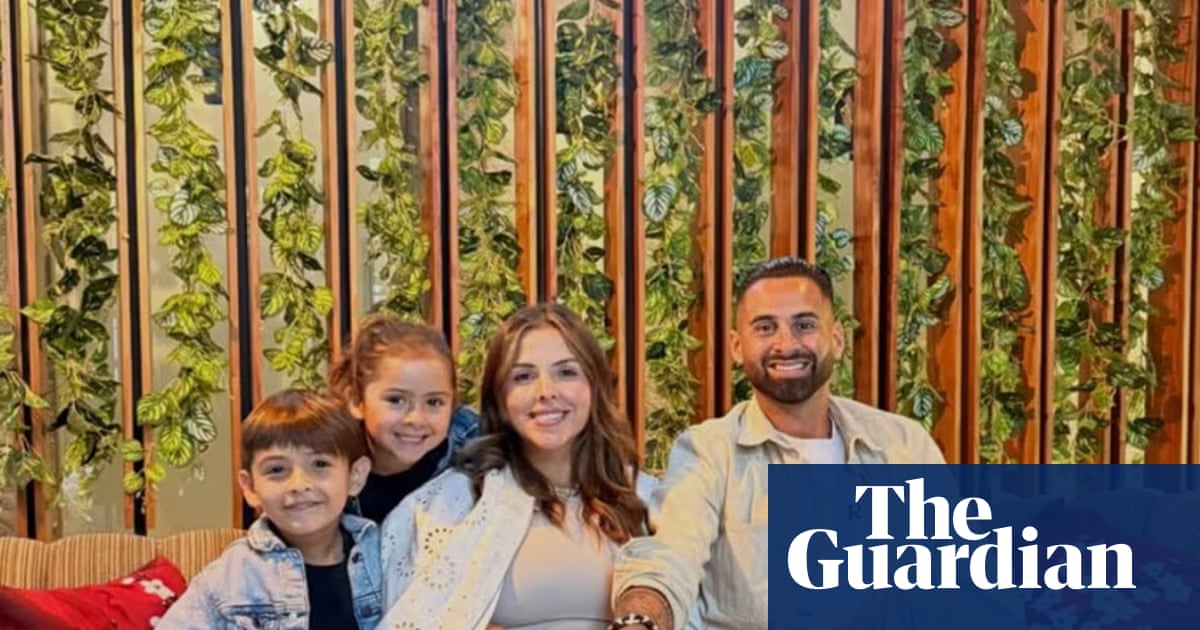
Imagine the ground beneath your feet suddenly shaking so hard that buildings fall like a stack of toy blocks. That’s exactly what happened in Venezuela when two massive earthquakes struck back-to-back, causing widespread destruction and taking at least 1,719 lives.
The earthquakes measured 7.2 and 7.5 in magnitude — making them the most powerful quakes to hit Venezuela since 1900. To put that in perspective, a magnitude 7 earthquake releases thousands of times more energy than a small tremor you might barely feel.
Important Point: Experts from the US Geological Survey warn that the death toll could eventually reach 10,000 people, making this one of the deadliest natural disasters in the country’s history.
What makes this tragedy even more painful is that it struck close to home for the football (soccer) world. Several players and their families were directly affected.
Lucas spent three days digging through the remains of his own home, hoping to find his family alive. That’s a kind of courage and heartbreak most of us can’t imagine.
Héctor shared a deeply emotional message on Instagram:
"You gave your own life for our daughter… you were a brave woman who never abandoned her, even as you took your last breaths."
The disaster also took the lives of youth football players:
Rescue teams from around the world rushed to Venezuela to help. Here’s how the rescue efforts unfolded:
Important Point: The leader of the Swiss rescue team, Sebastian Eugster, confirmed that the 72-hour survival window had passed, making the mission increasingly difficult.
Several factors made this disaster especially destructive:
| Detail | Information |
|---|---|
| Event | Twin earthquakes in Venezuela |
| Magnitude | 7.2 and 7.5 |
| Death Toll (so far) | At least 1,719 |
| Potential Death Toll | Up to 10,000 (estimated) |
| Worst-Hit Area | La Guaira (coastal city) |
| Football Families Affected | Lucas Trejo, Héctor Bello, youth players Victor Palacios and Razan Sijaa |
| Most Powerful Quake Since | 1900 |
This disaster reminds us that nature doesn’t care about borders, careers, or fame. It also shows us incredible bravery — from a mother who gave her life to save her baby, to a father who spent three days searching through rubble for his family, to rescue workers and dogs working tirelessly to save strangers.
Q: What caused the earthquakes in Venezuela?
A: Venezuela sits near the boundary where two tectonic plates meet. When these plates suddenly shift and release energy, it causes the ground to shake — that’s an earthquake. In this case, two massive shifts happened close together, making it a "twin earthquake" event.
Q: Why is the death toll expected to rise so much?
A: After a major earthquake, many people can be trapped under collapsed buildings. As rescue teams reach more remote areas and clear more rubble, more victims are discovered. The current estimate of up to 10,000 deaths reflects the scale of destruction across a wide area.
Q: Who is Lucas Trejo?
A: Lucas Trejo is an Argentinian professional footballer who played for Club Sport Marítimo in La Guaira, Venezuela. He lost his wife and both of their young children in the earthquake and personally searched through the rubble for three days before their bodies were found.
Q: How did Andrea Bello save her baby?
A: When the family’s home collapsed, Andrea used her own body to shield her infant daughter, Alana, from the falling debris. Her protective act saved the baby’s life, but Andrea did not survive. Rescuers later found Alana alive.
Q: How can people help after a disaster like this?
A: In major disasters, reputable organizations like the Red Cross, UNICEF, and local emergency services often coordinate relief efforts. Donating to trusted humanitarian organizations, spreading awareness, and supporting long-term rebuilding efforts are some of the most effective ways to help.