He Drove 13k Miles for $0, Camped 17 Nights: 98% FSD
How One Cybertruck Drove 13,000 Miles, Spent $0 on Charging, and Powered 17 Nights of Camping
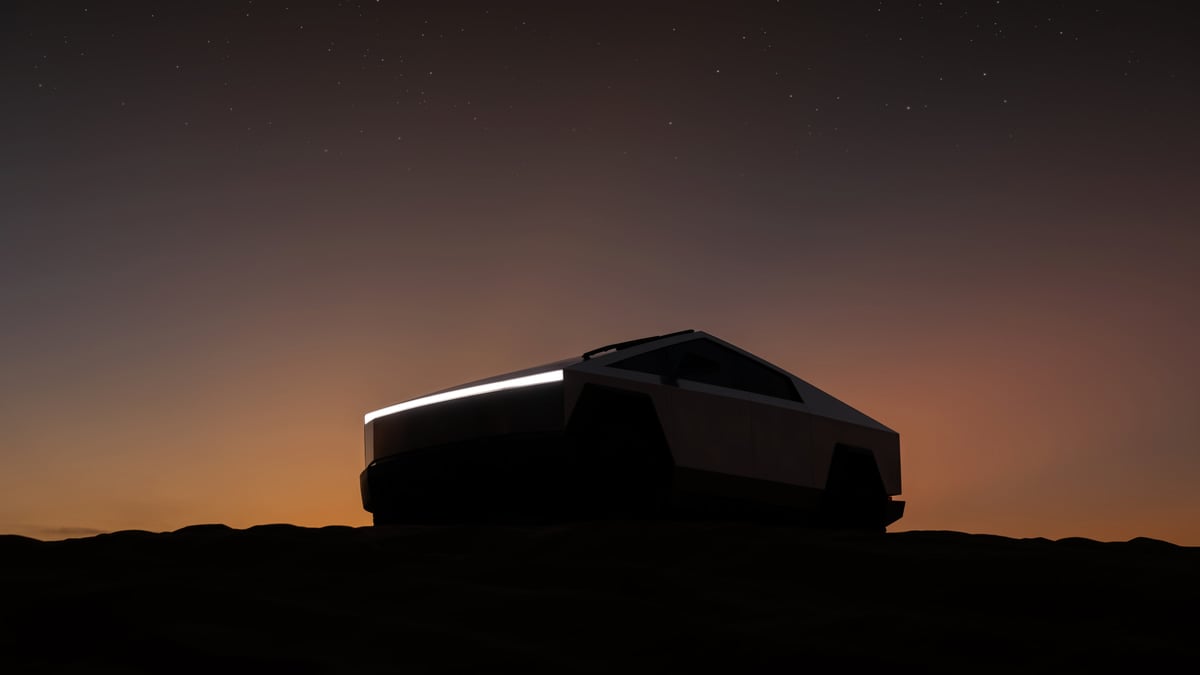
The Big Picture: A Road Trip That Became a Real-World Test
Imagine driving from Texas all the way up to Canada, then looping back through the Rocky Mountains—13,000 miles in four months. That’s exactly what Cybertruck owner David Shin did. He visited 12 national parks, 5 wine regions, and 12 major ski destinations across 10 U.S. states and 2 Canadian provinces.
But this wasn’t just a sightseeing tour. It was a stress test for the truck, the charging network, Tesla’s driver-assist system, and the Cybertruck’s ability to act as a mobile power station for camping.
Key Takeaway: The trip proved the Cybertruck can handle long-distance travel, off-grid camping, and heavy driver-assist use—but the $0 charging bill came from a special perk, not magic.
The $0 Charging Bill: How Did That Happen?
Shin’s Tesla app showed:
- 122 Supercharging sessions at 88 different locations
- 5,942 kWh from Superchargers (97% of total energy)
- Total charging cost: $0
Why Was It Free?
Shin has free Supercharging credits attached to his Tesla account. This is a limited-time or referral-based benefit—not standard for every Cybertruck.
Important: Most owners will pay for Supercharging. Third-party chargers and congestion fees can also apply. Shin’s $0 bill is not typical.
What Would It Have Cost in Gas?
Shin compared his trip to a gas pickup getting 20 MPG at $4.62/gallon:
- 13,000 miles ÷ 20 MPG = 650 gallons
- 650 × $4.62 = ~$3,000
Tesla’s app estimated $2,737 in savings. Shin rounded it to ~$2,000—still a huge number, but only because his charging was free.
The Cybertruck as a Campsite Power Station
This might be the most useful part of the whole trip for regular owners.
17 Nights of Off-Grid Camping
Shin camped 17 nights using the truck’s battery to run:
- Induction cooktop + coffee maker + grinder
- Two electric coolers (no ice needed!)
- Electric blanket + water heater
- Starlink internet
- Phone charging + climate control + entertainment
Battery used per night: 10–15%
How It Works: The Cybertruck has:
- Two 120V outlets in the bed (20 amps combined)
- One 240V outlet in the bed (40 amps)
- Cabin outlets too
- “Keep Outlets On” mode: runs up to 12 hours or until 5% battery
- CyberTent Mode: keeps power on indefinitely while parked
Why This Changes Camping
Most people worry about driving range. Shin worried about camp energy.
Smart Strategy: He aimed to arrive at camp with ~60% battery—not 20%.
That 60% covered:
- Overnight power (10–15%)
- Morning coffee + heat
- Enough reserve to reach the next charger if plans changed
Rule of Thumb: Camp energy is part of tomorrow’s driving range.
The 98% FSD Number: What It Really Means
Shin’s Tesla app showed 98% FSD (Full Self-Driving) use over 16,322 tracked miles—with a longest streak of 178 miles hands-on-wheel but feet-off-pedals.
But There’s a Catch
- The 16,322 miles ≠ the 13,000-mile trip. Dates and definitions may differ.
- FSD is NOT autonomous. Tesla says: “Requires active driver supervision at all times.”
- The manual warns FSD may struggle on:
- Narrow roads
- Blind corners
- Complex intersections
- High-curvature roads
- Sudden unexpected maneuvers
Shin’s Experience
He called it an “invisible chauffeur”—great on mountain passes, let him enjoy the views. But he stayed alert.
Other Owners Report: FSD can be flawless for 100+ miles, then act erratically after a stop. It’s capable but inconsistent.
Bottom Line: Shin’s 98% = heavy supervised use, not robot taxi mode.
15 Miles of Fire Roads: The Truck Held Up
Near the end, navigation routed Shin onto ~15 miles of single-track fire roads (rough, unpaved, narrow).
His take:
“Large tires, beefy hardware, stainless body—I felt confident. After 4 months and 13,000 miles, the truck still feels solid and new.”
Note: One truck ≠ fleet-wide proof. But it’s a strong real-world data point for durability.
Shin’s Pro-Level Road Trip Habits (You Can Copy These)
| Habit | Why It Matters |
|---|---|
| Target 60% battery at camp | Covers overnight use + morning buffer + charger safety margin |
| Keep next 2 destinations in nav | Tesla plans charging for multiple legs, not just the next stop |
| Charge in short bursts (avg 49 kWh/stop) | Faster than waiting for 100%; matches how the battery charges quickest at low % |
| Treat camp power as “tomorrow’s fuel” | Prevents getting stranded at a beautiful but remote site |
Summary: What Actually Matters for You
| Feature | Repeatable for Most Owners? | Notes |
|---|---|---|
| $0 charging | No | Requires free Supercharging perk |
| Supercharger network reliability | Yes | 88 locations, 122 sessions—no dead ends |
| Campsite power (10–15%/night) | Yes | Works on any Cybertruck with outlets |
| 60% arrival buffer strategy | Yes | Smart for any EV camping |
| 98% FSD use | Maybe | Depends on roads, software, driver comfort |
| Rough road durability | One data point | Promising, but not a guarantee |
The Real Win: The Cybertruck worked as transport + power station + climate shelter + kitchen + office—all in one.
FAQ: Your Questions Answered
1. Can I get free Supercharging like Shin?
Only if you have a referral credit, legacy perk, or promo tied to your Tesla account. Most new buyers do not get it. Check your Tesla app → “Charging” → “Free Supercharging.”
2. How much battery does camping really use?
Shin saw 10–15% per night running cooktop, coolers, Starlink, heat, etc. Your use depends on gear and weather. Test it at home first!
3. Is FSD safe on mountain roads?
It can handle them—but Tesla requires you to stay ready to take over instantly. Shin used it heavily but never treated it as autonomous.
4. What if I arrive at camp with only 20% battery?
You might wake up with 5–10%—too low to leave if the charger is far. Aim for 50–60% at remote sites.
5. Does the Cybertruck’s stainless steel actually help off-road?
It resists dents and scratches better than paint. Shin credited it (plus big tires and suspension) for confidence on fire roads. But it’s not a rock crawler—know your clearance.
Final Thought
David Shin’s trip wasn’t about a free ride—it was about what’s possible when an EV is also a power plant.
The Cybertruck didn’t just drive 13,000 miles. It cooked dinner, heated the tent, streamed movies, and kept the lights on—then drove another 200 miles the next day.
Whether you have free Supercharging or not, that versatility is the real story.
Originally reported by Noah Washington, automotive journalist at Torque News. Based on David Shin’s owner-posted data in the Cybertruck Owners Only Facebook group (April 3 – August 8, 2026).