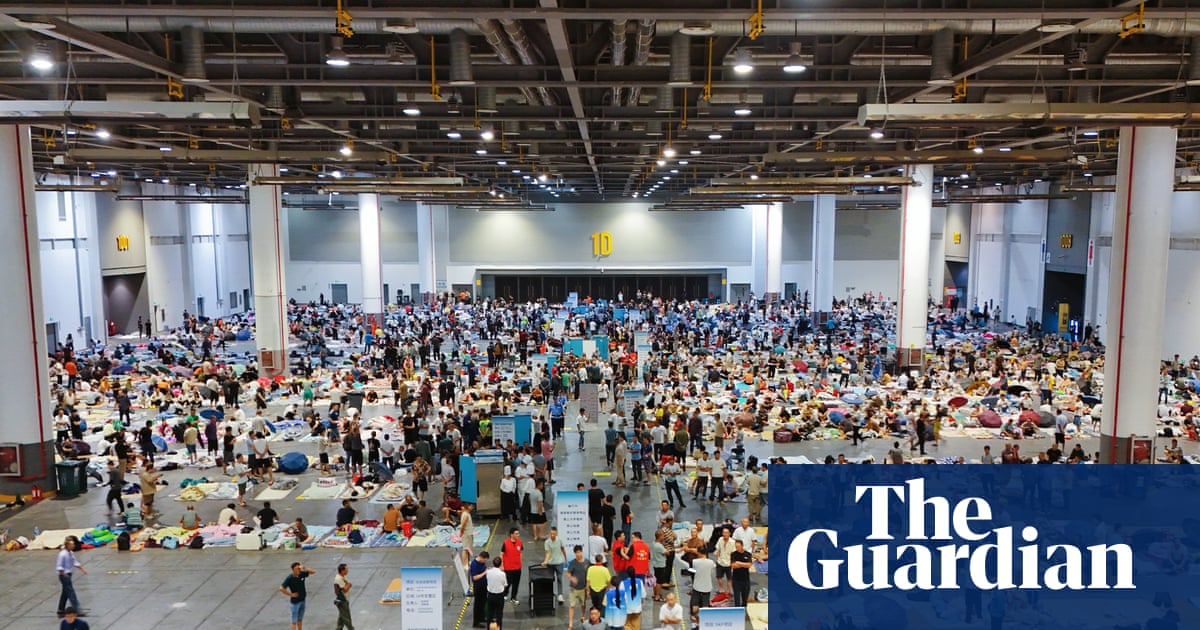
Typhoon Dolphin Hits Eastern China: Over a Million People Moved to Safety
What Happened?
Over the weekend, a powerful storm named Typhoon Dolphin crashed into the coast of eastern China. By Sunday evening, more than one million people had been moved out of danger zones to keep them safe from flooding and landslides.
Important Point: A typhoon is the same thing as a hurricane — just a different name used in the Pacific Ocean. It’s a giant spinning storm with very strong winds and heavy rain.
Where Did the Storm Hit Hardest?
Wenzhou (Zhejiang Province)
- 900,000+ people relocated
- 1,500+ emergency shelters opened
Fujian Province (next to Zhejiang)
- 98,900 people moved from high-risk areas
Shanghai (China’s biggest city)
- 215,600 people evacuated — a huge jump from an earlier count of just 30,300
- Record-breaking rain: One weather station measured 313mm (about 12 inches) in 24 hours — the most in over 150 years! Another station got nearly 400mm (almost 16 inches)
- Social media hashtag #ShanghaiTurnsIntoTheSea went viral as videos showed streets flooded around famous landmarks like Wukang Mansion
Zhejiang Province (wider area)
- Average rainfall: 173mm from Friday to Monday
- More rain than previous major typhoons Lekima and Bavi
What’s Happening Now?
By Monday at 5:00 AM, Dolphin weakened to a tropical storm (less powerful than a typhoon). But it’s still moving north and inland, bringing dangerous rain to huge areas:
Affected regions through Wednesday:
- Shandong
- Henan
- Hubei
- Anhui
- Jiangsu
- Zhejiang
- Shanghai
Important Alert: Authorities kept an orange alert (second-highest level) for heavy rain. They warn that days of intense rain could cause widespread flooding and landslides through Wednesday. People are urged to stay indoors during downpours.
Forecast: Some areas may get 200–400mm (7.9–15.7 inches) more rain in the coming days.
Travel Chaos
| Location |
Impact |
| Shanghai’s two airports |
1,300+ flights cancelled |
| Shanghai public transport |
Many local trains suspended |
| Ningbo Airport (150km south of Shanghai) |
Resuming flights Monday midday, but delays possible |
| Hangzhou subway |
Restarted Monday morning after Sunday shutdown |
Beyond China: Dolphin’s Wide Reach
Hong Kong
- Hottest day EVER recorded: 36.9°C (98.4°F) on Sunday
- Typhoon Dolphin pulled hot air toward the city
- Extreme heat expected to last through Tuesday
Taiwan
- 180+ flights cancelled
- Ferry services suspended
- Heavy rain and strong winds Sunday
Japan (Okinawa)
- 6 people injured
- 50,000+ buildings lost power
Philippines
- Typhoon didn’t make landfall
- But it supercharged monsoon rains
- Flooding across northern Luzon, including around Manila
Why Are Storms Getting Stronger?
Scientists say global warming (climate change caused by human activity) is making extreme weather more likely and more intense — including more powerful typhoons.
Simple Explanation: Warmer ocean water = more fuel for storms. As the planet heats up, typhoons can grow bigger, stronger, and wetter.
Summary
- Typhoon Dolphin made landfall in eastern China over the weekend
- 1+ million people evacuated across Zhejiang, Fujian, and Shanghai
- Record rainfall in Shanghai (313mm in 24 hours — most in 150+ years)
- Storm weakened to tropical storm but still bringing dangerous rain through Wednesday
- Orange alert active — flooding and landslides likely
- Major travel disruptions: flights, trains, subways affected
- Ripple effects felt in Hong Kong (record heat), Taiwan, Japan, and Philippines
- Climate change link: Scientists say warming oceans make stronger typhoons more common
FAQ
What’s the difference between a typhoon, hurricane, and cyclone?
They’re the same storm — just different names based on location:
- Typhoon = Northwest Pacific (near China, Japan, Philippines)
- Hurricane = Atlantic & Northeast Pacific (near US, Caribbean)
- Cyclone = South Pacific & Indian Ocean
Why did Shanghai get so much rain if the typhoon weakened?
Even as a tropical storm, Dolphin carries massive amounts of moisture. As it moves north and hits land, that moisture falls as non-stop heavy rain — sometimes worse than the wind!
What does an "orange alert" mean?
China uses a four-color warning system:
- Blue (lowest)
- Yellow
- Orange (high — used here)
- Red (highest)
Orange means: "Very dangerous weather expected. Take serious precautions."
How does a typhoon cause a heatwave in Hong Kong?
Typhoons spin counterclockwise. As Dolphin passed south of Hong Kong, its outer circulation pulled hot, dry air from inland China toward the coast — like a giant fan blowing a hair dryer on the city.
Is this normal for August?
August is peak typhoon season, but record-breaking rainfall and heat are becoming more common due to climate change. What used to be "once in a century" events are happening more often.
 1
1