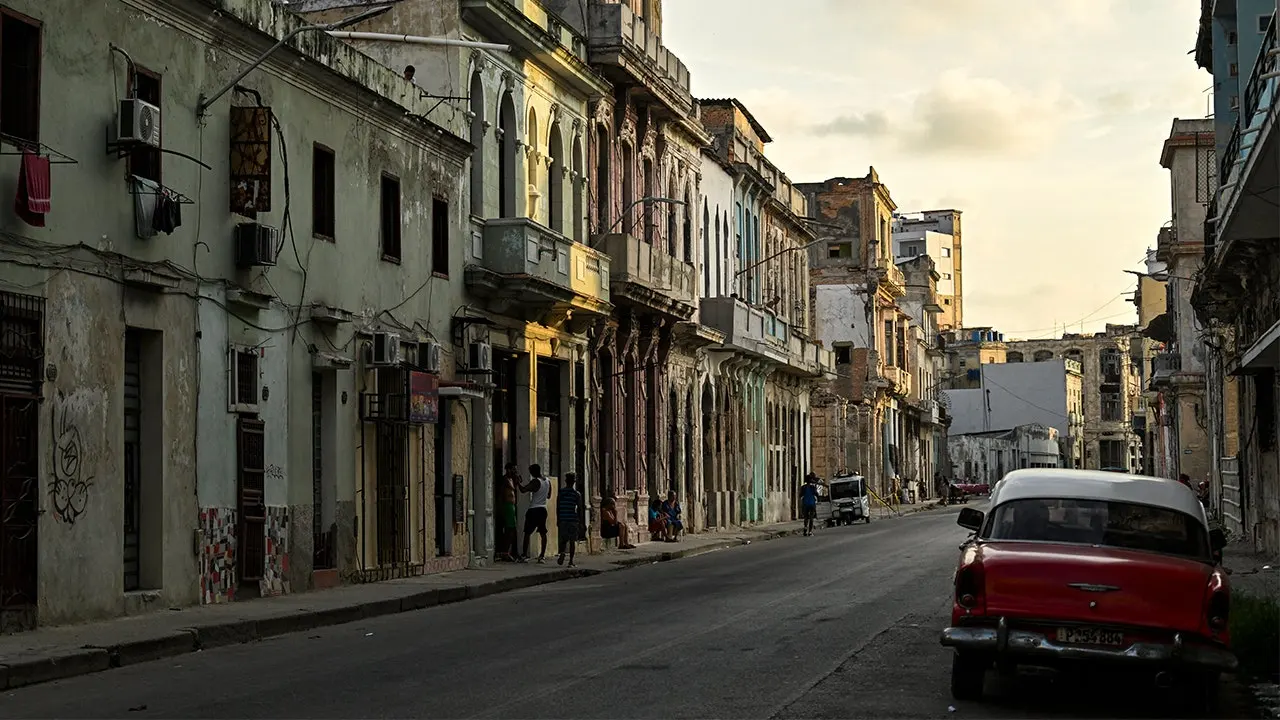
Cuba Power Grid Collapses: US Embassy Issues Urgent Warning
Cuba Blackout Crisis: What Travelers Need to Know Right Now
The Big Picture: Lights Out Across Cuba
Imagine flipping a light switch and nothing happens. Now imagine that happening across an entire country — all at once. That’s exactly what’s happening in Cuba right now.
The U.S. Embassy in Havana has issued a serious warning: Cuba’s electrical grid has completely collapsed, leaving the entire island without power. This isn’t a small outage — it’s the sixth nationwide blackout in 2026 alone, with three happening just in July.
IMPORTANT ALERT
The U.S. Embassy says: "All U.S. citizens in Cuba or planning to travel to Cuba should be aware and plan accordingly."
If you’re there now or thinking about going, read this first.
What’s Happening on the Ground?
Extreme Heat + No Power = Dangerous Conditions
- Temperature: 93°F (34°C)
- Feels like: 106°F (41°C) with 80% humidity
- Air conditioning: Not working anywhere
- Result: People are sleeping outside near the water just to stay cool
This isn’t uncomfortable — it’s dangerous, especially for older adults, children, and anyone with health conditions.
Can Americans Even Go to Cuba?
The Short Answer: Yes, But Only for Specific Reasons
You cannot go just for a beach vacation. U.S. law bans tourism travel to Cuba.
However, the Treasury Department’s Office of Foreign Assets Control (OFAC) allows travel under 12 approved categories:
- Family visits
- Journalism
- Education
- Religious activities
- Humanitarian projects
- Support for the Cuban people
- Professional research
- Professional meetings
- Public performances/exhibitions
- Export/import of information
- Certain authorized export transactions
- Activities of private foundations/educational institutes
Key Point: If you’re traveling, you must fit into one of these categories and keep records of your activities.
Official Travel Advice: What the Government Says
The State Department issued a travel advisory in May 2025 that’s still very relevant. Here’s what they tell Americans:
Safety Tips (Numbered for Easy Reference)
- Stay aware of your surroundings at all times
- Do not physically resist any robbery attempt — your life matters more than your stuff
- Don’t show signs of wealth — leave expensive watches, jewelry, and flashy electronics at home
- Prepare for prolonged power outages — they happen often and last a long time
Pack These Essentials (Checklist)
- Portable battery banks (power banks)
- Spare batteries (AA, AAA, etc.)
- Nonperishable food (granola bars, nuts, canned goods)
- Bottled water (lots of it)
- Flashlights or headlamps
- Printed copies of important documents (passport, insurance, embassy contacts)
Why Does This Keep Happening?
The Root Causes
| Factor | What It Means |
|---|---|
| Aging Infrastructure | Cuba’s power grid is old and falling apart — like a car that’s never had an oil change |
| Fuel Shortages | Not enough fuel to run power plants |
| U.S. Sanctions | Cuban officials blame U.S. restrictions for making it hard to get parts and fuel |
| Lack of Investment | Years of underfunding mean no upgrades or maintenance |
The latest cause? According to Cuban state media: Unknown. The embassy says: "The reason for the collapse and the timeline to restore power is unknown."
What Should You Do Right Now?
If You’re Already in Cuba
- Contact the U.S. Embassy in Havana — let them know where you are
- Conserve phone battery — use low-power mode, turn off unnecessary apps
- Stay hydrated — drink water even if you’re not thirsty
- Find shade or breeze — avoid direct sun during peak hours (11 AM – 4 PM)
- Keep emergency supplies close — water, food, meds, flashlight
If You’re Planning a Trip
- Check the latest embassy alerts before booking anything
- Confirm your travel category — make sure you qualify under OFAC rules
- Book flexible tickets — you may need to cancel or reschedule
- Pack like you’re camping — bring all the essentials listed above
- Get travel insurance that covers evacuation and medical emergencies
Summary: The Bottom Line
- Cuba is in total blackout — 6th nationwide grid failure in 2026
- Dangerous heat — feels like 106°F with no AC
- Americans can only visit for 12 specific reasons — no tourism allowed
- Bring your own power, food, and water — don’t count on local supplies
- No timeline for power restoration — could be days or weeks
Travel smart. Stay safe. Prepare for the worst.
FAQ: Your Questions Answered
Can I still go to Cuba for a vacation if I book through a third country?
No. U.S. law applies to U.S. citizens and residents no matter where you book from. Going through Mexico, Canada, or the Caribbean doesn’t change the rules.
What does "Support for the Cuban People" actually mean?
It means your trip must directly benefit independent Cuban civilians — like staying in casas particulares (private homes), eating at paladares (private restaurants), and hiring private guides. You cannot stay at government hotels or use state-run services.
Will my U.S. cell phone work in Cuba?
Maybe, but don’t count on it. Most U.S. carriers don’t have roaming agreements with Cuba. Even if yours does, cell towers need electricity — which they don’t have right now. Bring a satellite messenger or plan for zero connectivity.
Is it safe to walk around during a blackout?
Use extreme caution. Streetlights don’t work. Traffic signals are out. Crime risk increases in darkness. If you must go out, use a headlamp (keeps hands free), travel in groups, and avoid isolated areas.
How long do these blackouts usually last?
It varies wildly. Some last hours. Others — like the July 2024 collapse — lasted weeks in some areas. The government rarely gives accurate timelines. Prepare for at least 7–10 days without grid power.
Stay informed. Check U.S. Embassy Havana alerts before and during any travel to Cuba.