11
11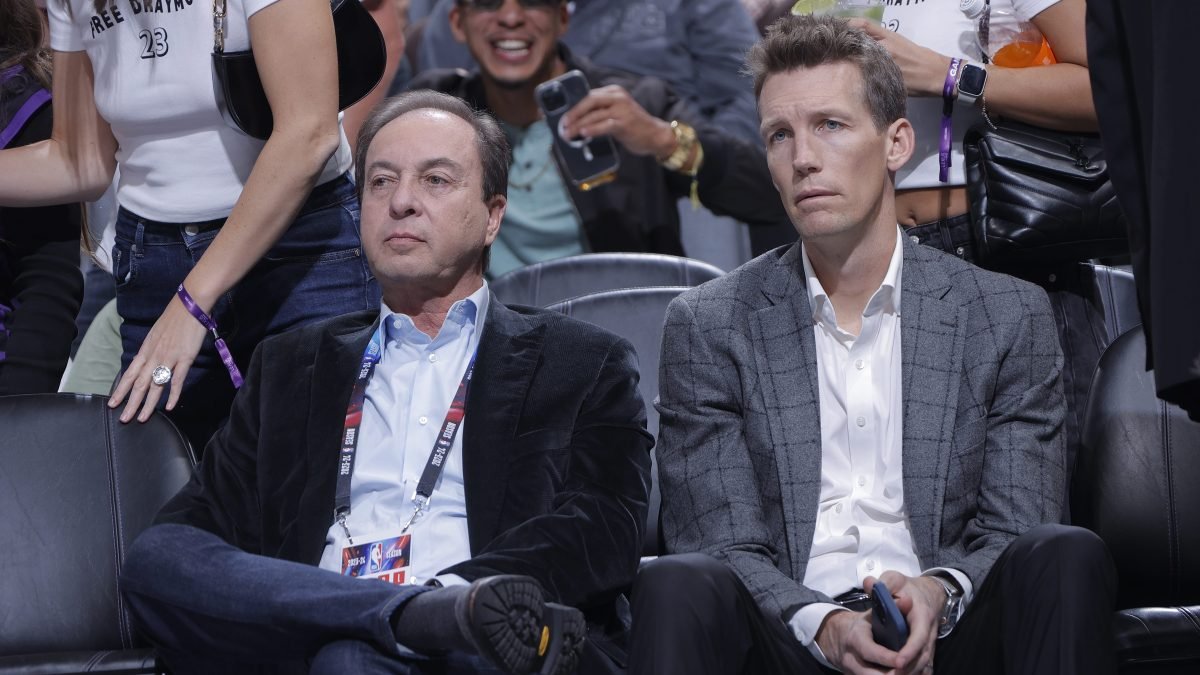
Every July, the NBA turns into a giant trading floor. Teams make big moves, sign star players, and shake up their rosters. It’s like a month-long game of musical chairs where everyone is scrambling for the best seat.
But the Golden State Warriors? They barely made a sound.
While other teams were making headlines, the Warriors approached July 2026 with "barely a whisper and nothing close to a roar." For a franchise used to chasing championships, this silence was profoundly disappointing to fans.
Important Point: The Warriors’ front office told us exactly what they planned to do—46 days before July even started.
On May 15, General Manager Mike Dunleavy sat down with reporters and laid out the truth:
At the time, it sounded like Dunleavy was underplaying his hand. Surely a team coming off a 37-45 season (that’s 37 wins, 45 losses) would hunt for upgrades? CEO Joe Lacob is known for unlimited ambition—wouldn’t they chase stars?
The Warriors did look around. They "baited hooks, chased stars and peer[ed] under stones." But they hit a wall:
"This just isn’t about the roster, frankly. I don’t think we came up short because of the talent on the roster. It was injuries and things we could control."
Translation: The GM believes the players are fine—the execution and health were the problems.
The 2025-26 season tells a tragic story in three acts:
| Player | Injury | Date | Impact |
|---|---|---|---|
| Jimmy Butler III | Torn right ACL (season-ending) | Jan 19 | Team went 12-26 after he went down |
| Stephen Curry | Runner’s knee (patellofemoral pain) | Jan 30 | Team went 9-18 without him |
| Moses Moody | Torn patellar tendon | Mar 23 | Team went 3-7 in final 10 games |
The front office did make one notable attempt to shake things up: a "tepid effort" to recruit LeBron James in free agency.
But even GM Dunleavy admitted in May:
"Do we need to get better roster-wise? I think so… But we didn’t get to a point where we played a team where the roster is better than ours."
Translation: They believe their best lineup can compete with anyone—but they rarely had their best lineup.
Instead of chasing new stars, the Warriors brought back almost everyone:
| Player | Status | The Hope |
|---|---|---|
| Kristaps Porziņģis | Re-signed | Play 50-60 games (health permitting) |
| Al Horford | Re-signed | Play 50-60 games (age 39!) |
| De’Anthony Melton | Re-signed | First healthy summer in 3 years → target 70 games |
| Gary Payton II | Re-signed | Unique defensive skills + great culture fit |
| Stephen Curry | Returning | Target 70 games (manage runner’s knee) |
Important Point: Dub Nation had been warned that 2026-27 was lining up as a "gap year." The offseason focus would be on internal development rather than external additions. Do not expect gifts in July. None came.
Austerity always is disappointing, as it lays a welcome mat for ennui. (Ennui = that bored, listless feeling when nothing exciting is happening.)
The Warriors’ silent summer wasn’t an accident—it was a deliberate strategy born from:
The bet: A healthy Butler + Curry + Moody + smart basketball = contention.
The risk: Another injury-plagued season wastes another year of Curry’s prime.
Only time will tell if patience pays off—or if this "gap year" becomes a lost year.
A: Two reasons: (1) Other teams weren’t interested in what the Warriors had to offer in trades, and (2) the front office believes their current core—when healthy—is good enough to compete.
A: A season where a team intentionally doesn’t go all-in for a championship, instead focusing on development, health recovery, and preserving future flexibility. It’s like hitting "pause" on title contention.
A: Yes—when healthy. The Warriors’ plan assumes Curry can play ~70 games at an All-NBA level. His runner’s knee is manageable with proper rest and load management.
A: He’s a 2026 rookie forward praised for his maturity and "veteran spirit." But he’s still a rookie—think of him as a lottery ticket, not a guaranteed contributor.
A: Two checkpoints: (1) Trade deadline (Feb 2027) — if they make a move, they believe they’re close; (2) Playoffs (Apr-May 2027) — the ultimate test of whether health + internal growth = contention.