11
11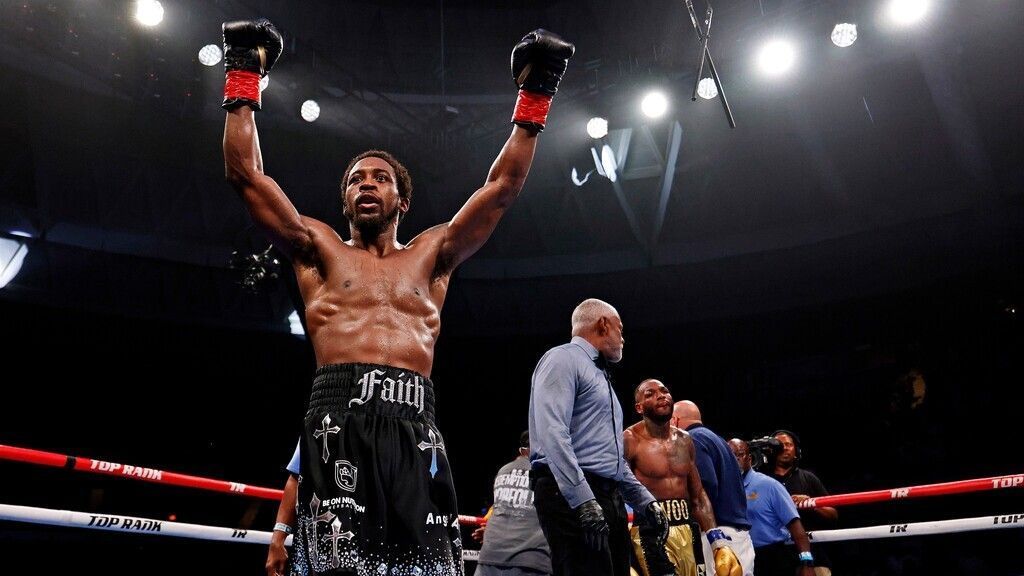
Published: July 31, 2026
Time: 07:54 PM ET
Imagine two boxers getting ready for a huge championship fight. Everything seems set—the date is picked, the money is on the table—but then one fighter says, "No thanks, I’m not doing this." That’s exactly what happened this week between Keyshawn Davis and Devin Haney.
ELI5 Explanation: Think of a purse bid like an auction. When two fighters should fight but can’t agree on how to split the money, the boxing organization (here, the WBO) holds an auction. Promoters bid money for the right to put on the fight. The highest bidder wins—and that total money becomes the "purse" (the total payday) that gets split between the two fighters.
| Detail | Amount |
|---|---|
| Winning Bid (by Top Rank) | $8.55 million |
| Haney’s Share (75% as champion) | $6.41 million |
| Davis’s Share (25% as mandatory challenger) | $2.14 million |
| Target Fight Date | October 3, 2026 |
According to the WBO, Davis rejected the 25% purse split after the bid was won. Here’s the timeline:
IMPORTANT POINT: As the mandatory challenger, Davis was required by WBO rules to take this fight. Walking away is a big deal—it’s not something that happens every day.
The WBO isn’t just letting this slide. They said:
"The matter will now be referred to the WBO Championship Committee and Ratings Committee for the appropriate ruling under the WBO World Championship Rules and Regulations."
Simple Breakdown: In boxing, the champion usually gets the bigger share (often 75-80%). The mandatory challenger gets less (20-25%) because they didn’t have to "earn" the shot through negotiations—they got it by ranking rules. Davis likely felt 25% wasn’t fair for a fight of this magnitude.
Technically, no. As mandatory challenger, he’s obligated to take the fight. But he did say no—and now the WBO has to decide what the consequences are. He might lose his ranking position or face penalties.
We don’t know his exact reasoning, but common reasons include: feeling the split is unfair, wanting a bigger share for the risk, strategic career moves, or issues with the promoter/date/venue.
Yes. As champion, Haney has obligations. The WBO will likely name a new mandatory challenger (the next highest-ranked welterweight) or allow a voluntary defense against someone else.
Absolutely. Boxing negotiations are fluid. If Davis’s team and Haney’s team come back to the table with a better split, the fight could be rescheduled.
It’s a ranking of the best fighters regardless of weight class. Being #7 means experts think Haney is the 7th best fighter in the world right now, even compared to much heavier or lighter boxers.
Boxing isn’t just about what happens in the ring—it’s also about business, contracts, and leverage. Davis’s decision shakes up the welterweight division and shows how money disputes can derail even "mandatory" fights. Keep an eye on the WBO’s ruling—it’ll tell us what’s next for both fighters!
Stay tuned for updates on the WBO’s decision and what it means for the welterweight division!