 11
11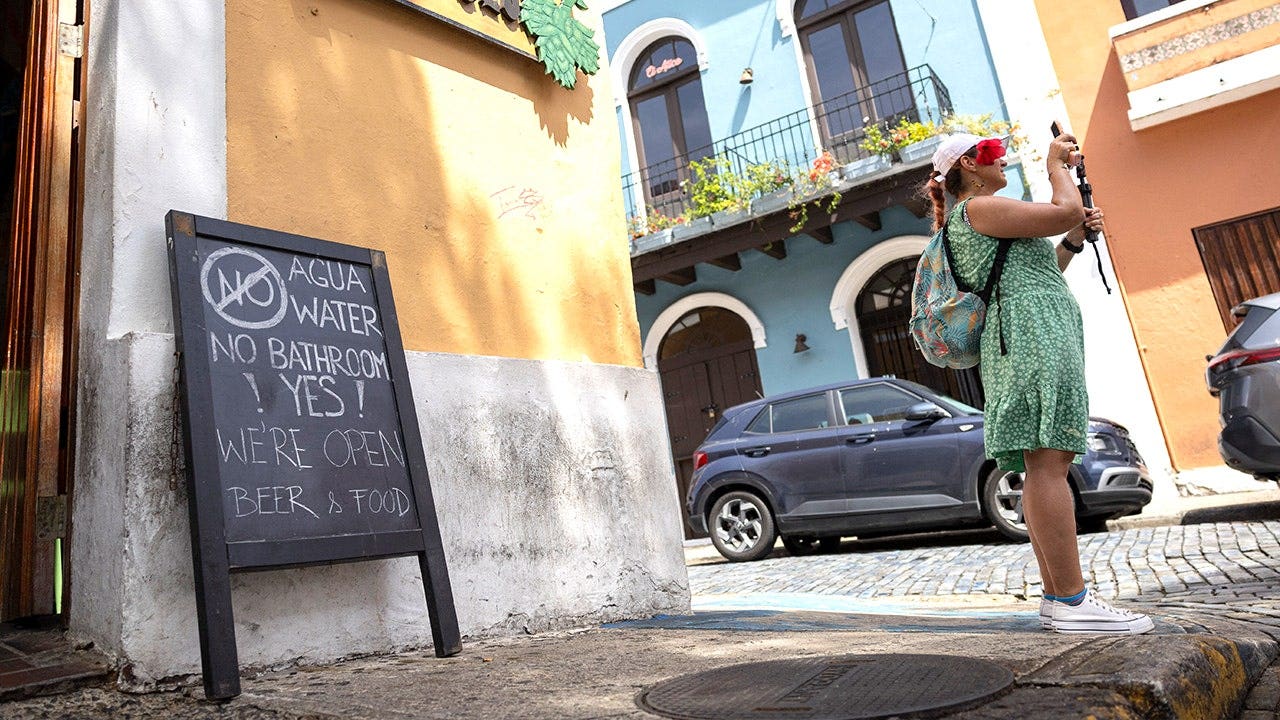
Imagine turning on your faucet and nothing comes out. That’s the reality for many people in San Juan, Puerto Rico right now. The island is facing a serious drought—so serious that the government has started water rationing.
Important Point: This isn’t just a little dry spell. July was the driest month in over 120 years and the second-hottest month ever recorded in San Juan.
Let’s break down what the experts are saying:
Think of it like taking turns. The water utility divides neighborhoods into groups:
During your "off" period, your taps run dry. No showers, no flushing toilets, no washing dishes from the tap.
Travelers on Reddit have been asking: "Should I cancel my trip?" Here’s what people who know the island are saying:
One Reddit user shared: "We didn’t feel good about going and canceled. We got refunds on some things, not others, and hope to be back another time."
Another traveler advised: "Hotels have cisterns and generators. However, you should prepare to be flexible in your outlook, as it is a crisis."
Use this simple framework to decide:
| Consider Cancelling If… | Consider Going If… |
|---|---|
| You have health needs requiring reliable water | You’re staying at a major hotel/resort |
| You’re traveling with infants/elderly | You’re flexible and adaptable |
| You have non-refundable bookings you can’t change | You have travel insurance covering disruptions |
| You want a completely carefree vacation | You want to support the local economy |
| You’re okay with minor inconveniences |
Water issues hit tropical destinations periodically:
Important Point: Puerto Rico is a U.S. territory—American citizens don’t need a passport, and U.S. travel protections apply. But infrastructure challenges can be more pronounced than on the mainland.
| Fact | What It Means for You |
|---|---|
| Severe drought + rationing | Real crisis for residents |
| Hotels have backup systems | Your stay likely unaffected |
| Restaurants may adapt | Minor menu/service changes |
| Some tourists canceling | Personal comfort decision |
| Locals need support | Tourism dollars help recovery |
The island is open. The beaches are beautiful. The culture is vibrant. But it’s a real place with real challenges—not a perfect resort bubble. If you go, go with eyes open, flexibility packed, and kindness ready.
A: Yes, it’s safe. The drought affects water supply, not safety. Crime rates, health risks, and general security are unchanged. Just expect some inconveniences.
A: Smaller properties may not have cisterns. Ask the host directly before booking: "Do you have a water storage tank (cisterna) or backup supply?"
A: It depends on your booking terms. Travel insurance may help if you have "travel disruption" coverage. Airlines and hotels set their own policies—always ask.
A: Until significant rainfall replenishes reservoirs. Could be weeks or months. The government announces schedule changes weekly.
A: You can, but it’s heavy. Better to buy large jugs (garrafones) at local supermarkets when you arrive. Cheaper and less waste.
Final Thought: Puerto Rico has weathered hurricanes, earthquakes, and droughts before. The people are resilient. If you visit now, you’ll see the real Puerto Rico—not just the postcard version. And your tourism dollars help families and businesses weather this storm, too.