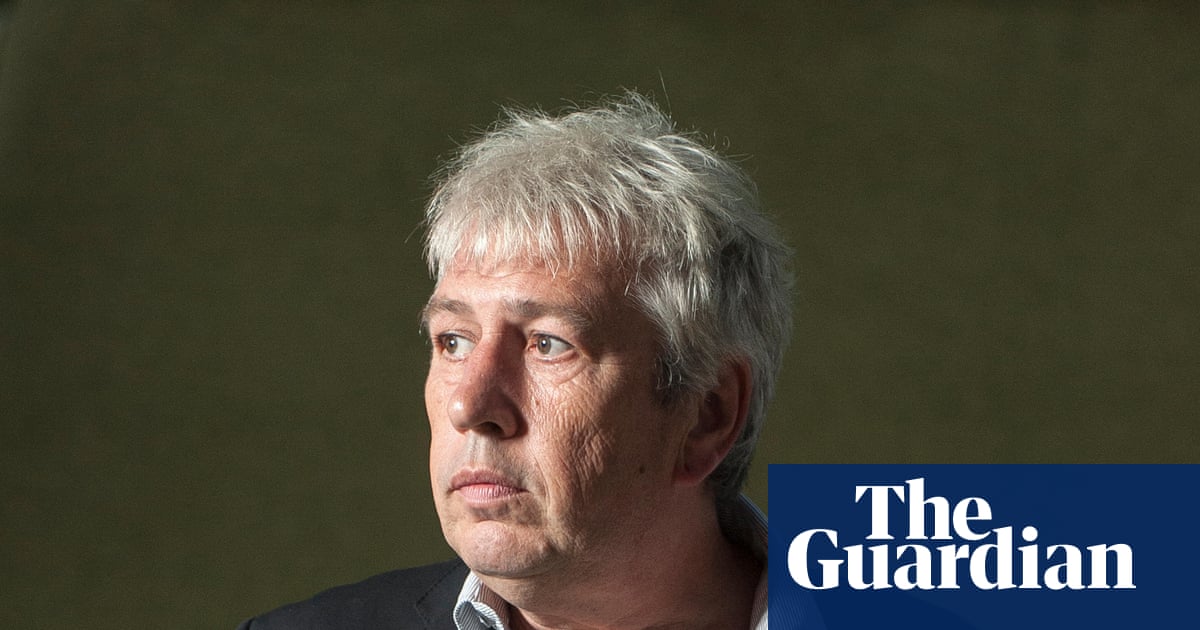
Rod Liddle Dead at 66: Sun & Times Firebrand Columnist Gone
Rod Liddle: A Life in Journalism – Remembering a Provocative Voice
Who Was Rod Liddle?
Rod Liddle was a well-known British writer and broadcaster who passed away at age 66 after a short illness. He died at James Cook University Hospital in Middlesbrough on Sunday evening.
Think of him as someone who wrote strong opinions for major newspapers – the kind of columns that made people either nod in agreement or shake their heads in disagreement. He wasn’t afraid to say what he thought, even when it got him into trouble.
His Main Jobs & Roles
| Role | Organization | What He Did |
|---|---|---|
| Columnist | Sunday Times & The Sun | Wrote weekly opinion pieces readers turned to first |
| Writer | The Spectator magazine | Contributed articles and blog posts |
| Editor | BBC Radio 4’s Today programme | Ran the flagship morning political show (early 2000s) |
| Speechwriter | Labour Party | Wrote speeches for politicians in the 1980s |
Important Point: Liddle started on the political left (writing for Labour) but became famous later for criticizing the left in his columns. This shift made him a unique voice in British journalism.
What People Said About Him
Tributes from Colleagues & Rivals
- Justin Webb (BBC Today presenter): Called him "brilliant, kind and funny"
- Andrew Neil (former Sunday Times editor): Paid immediate tribute
- Piers Morgan: Joined the chorus of remembrance
- David Yelland (former Sun editor): Said Liddle "morphed into a brilliant and gifted writer who I could rarely agree with but always turned to first"
Yelland’s Honest Take: "It was because he was so talented he was able to behave so badly and write so… abhorrently on many occasions. And he knew this. It was his essence."
From His Employers
- Rebekah Brooks (News UK chief executive): "An inimitable journalistic force… brilliant, provocative and immensely talented"
- Ben Taylor (Sunday Times editor): "His column was the first that many turned to every Sunday. We will miss him desperately."
- Victoria Newton (Sun editor-in-chief): "A champion of press freedom… his writing – as funny as it was excoriating – was simply exceptional."
His Family’s Words
Liddle’s three children – Wilder, Tyler, and Emmy – released a heartfelt statement:
"We’re all very saddened and shocked at the sudden passing of our wonderful father. He raised us much as you might imagine, to be inquisitive, brave and always humorous. Even in hospital in the last few weeks, he consistently held the room and never let the awful situation show. He has left a legacy that we are all incredibly proud of, he will always be our guide on how to live an extraordinary life."
The Controversies (Because They’re Part of His Story)
Liddle’s "provocative style" wasn’t just a label – it came with real consequences:
1. 2010 – Press Complaints Commission Censure
- First blogger ever formally reprimanded by the PCC
- Wrote in The Spectator that the "overwhelming majority" of violent crime in London was committed by young African-Caribbean men
- The claim was incorrect and deemed discriminatory
2. 2002 – Left BBC Today Programme
- Disagreed with BBC Director General Greg Dyke over a column for The Guardian
- Had called Countryside Alliance marchers "Mill on the Floss extras" and "those who own the countryside… together with a forelock-tugging menagerie of their better-paid servants"
- Fun fact: During his time at Today, he hired Andrew Gilligan – the journalist who later reported the government "sexed up" the Iraq WMD dossier (Liddle left before that broadcast)
3. Personal Life in Public View
- Made a programme arguing men are "genetically pre-programmed" to be unfaithful
- His former wife wrote newspaper features about his adultery
Why He Mattered in British Journalism
| Strength | What It Meant |
|---|---|
| Sharp wit | Made complex political ideas readable and entertaining |
| Fearlessness | Tackled topics others avoided – "no topic was off-limits" |
| Voice for readers | Highlighted "the cant and absurdity that bedevils modern life" (Ben Taylor) |
| Political insight | "Terrific observer of the frailties of our political class" (Victoria Newton) |
| Press freedom advocate | Defended the right to offend and challenge |
Summary
Rod Liddle was a polarizing but undeniably talented journalist who left a deep mark on British media.
- Started as Labour speechwriter → became a critic of the left
- Edited BBC’s top political show → left amid controversy
- Wrote for biggest papers (Sun, Sunday Times, Spectator) → columns people read first
- Provoked outrage → but also earned deep respect from rivals
- Died at 66 → leaving three children who remember him as funny, brave, and inquisitive
Love him or loathe his views, colleagues agree: he had a rare gift with words and wasn’t afraid to use it.
FAQ
Was Rod Liddle a politician?
No. He wrote speeches for Labour politicians in the 1980s, but he was a journalist and broadcaster – not an elected official.
Why was he controversial?
He wrote columns that many found offensive – particularly about race, crime, and gender. In 2010, he became the first blogger formally censured by the Press Complaints Commission for an inaccurate and discriminatory claim about violent crime in London.
What was his biggest job in broadcasting?
He was editor of BBC Radio 4’s Today programme – the most influential morning news show in the UK. He left in 2002 after a disagreement with the BBC’s director general.
Did people actually like him?
Yes – even his critics. Colleagues who disagreed with his politics still called him "brilliant," "kind," "funny," and "immensely talented." His former boss David Yelland said he "rarely agreed with" Liddle but "always turned to first."
What’s his legacy?
A journalist who challenged conventional thinking, defended press freedom, and wrote with a distinctive voice that made people think – even when they were angry. As Sunday Times editor Ben Taylor said: "He spoke for the readers."