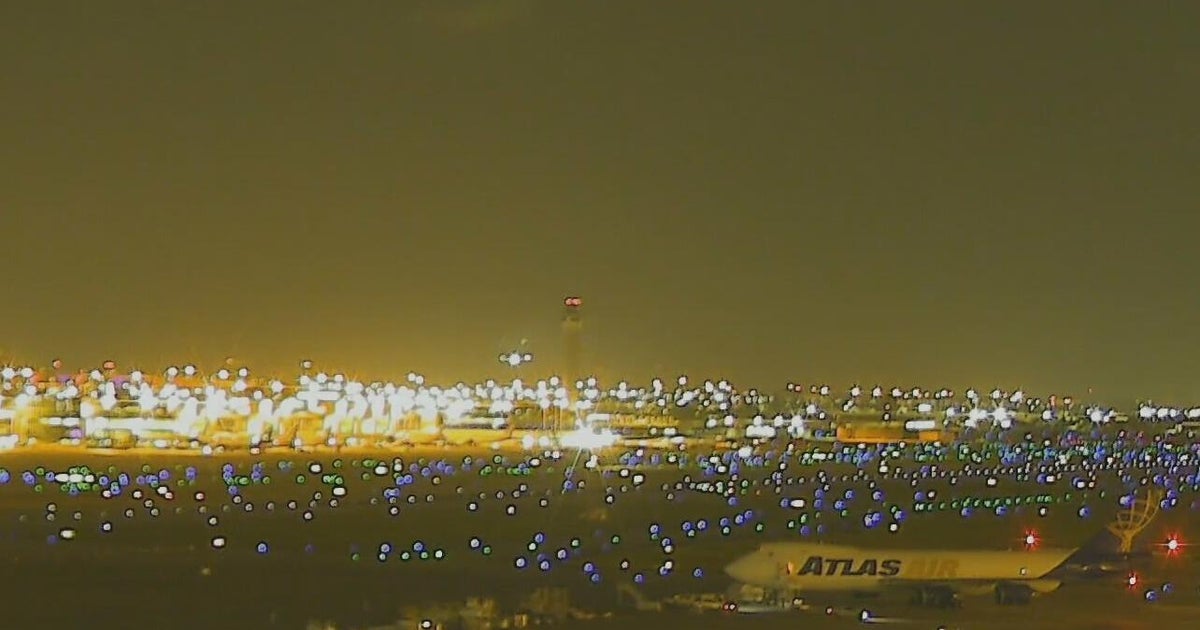
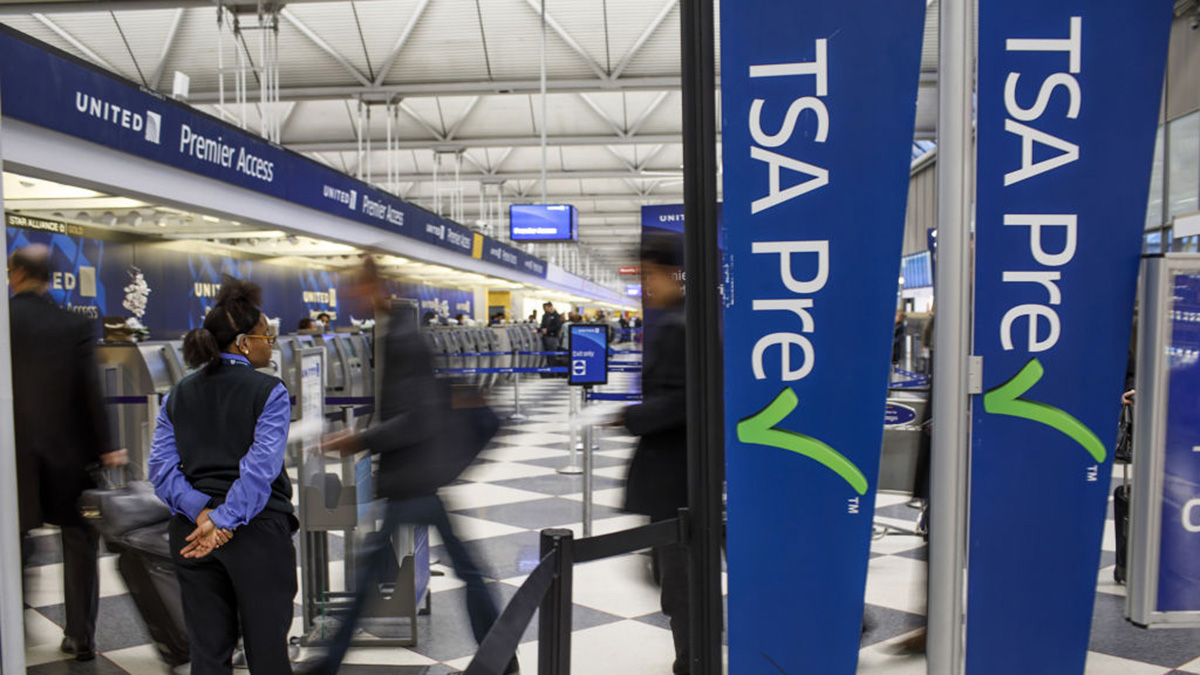
Severe Weather Paralyzes O’Hare, Midway: Flights Grounded
Severe Weather Halts Flights at Chicago Airports: What Happened and What It Means for You
What Is a Ground Stop? (The Simple Version)
Imagine a traffic cop holding up a big "STOP" sign at a busy intersection. No cars can enter until the cop says "Go!" A ground stop works the same way for airplanes:
- Planes already in the air can land (if safe)
- Planes on the ground at other airports cannot take off for Chicago
- Planes at Chicago airports may be delayed leaving too
IMPORTANT POINT: A ground stop is a safety tool. Controllers use it when weather makes it dangerous to fly or when airports get too crowded with waiting planes.
Sunday’s Timeline: What Happened When
Chicago O’Hare International Airport (ORD)
| Time | Event |
|---|---|
| Just before 12:00 PM | Ground stop begins — no flights allowed to depart for O’Hare |
| Just after 3:00 PM | Ground stop lifted — flights can resume |
| After 3:00 PM | Average ground delays: 100 minutes — planes still waiting to take off or reach gates |
Chicago Midway Airport (MDW)
| Time | Event |
|---|---|
| Just before 1:00 PM | Ground stop begins |
| 3:45 PM | Ground stop lifted |
How This Affected Travelers
If you were flying to or from Chicago on Sunday, here’s what likely happened:
- Your flight didn’t leave on time — Planes bound for Chicago stayed at their home airports
- You sat at the gate longer — Even after the stop lifted, 100-minute average delays at O’Hare
- Connecting flights were missed — Domino effect across the country
- Rebooking was chaotic — Airlines scrambled to rearrange schedules
IMPORTANT POINT: Ground stops at major hubs like O’Hare ripple nationwide. A delay in Chicago means delays in New York, LA, Atlanta — everywhere planes come from.
Why Do Ground Stops Happen?
The Usual Suspects
- Thunderstorms — Lightning, wind shear, heavy rain
- Low visibility — Fog, snow, blowing dust
- Snow/ice accumulation — Runways need clearing
- Air traffic congestion — Too many planes, not enough space
Sunday’s Culprit: Severe Weather
The FAA (Federal Aviation Administration — the folks who run the skies) issued the stops due to severe weather. Think: intense storms, possibly with lightning, hail, damaging winds, or even tornado warnings.
What Should You Do If This Happens to You?
Step-by-Step Action Plan
- Check your flight status — Airline app, website, or FlightAware
- Don’t go to the airport yet — If your flight is delayed 2+ hours, stay put
- Contact the airline — Call, app chat, or social media (Twitter/X often fastest)
- Know your rights — For weather delays: no compensation required, but airlines usually rebook free
- Book a hotel early — If overnight, rooms vanish fast near airports
- Pack patience — Weather delays are nobody’s fault — not the airline’s, not the airport’s
Summary
- Severe weather hit Chicago Sunday afternoon
- Both major airports (O’Hare and Midway) got ground stops from the FAA
- O’Hare: ~12:00 PM – 3:00 PM stop, then 100-minute average delays
- Midway: ~1:00 PM – 3:45 PM stop
- Flights to Chicago were held at departure airports nationwide
- Departure delays also hit O’Hare
- Ripple effects likely continued into Monday
FAQ: Your Questions Answered
What’s the difference between a ground stop and a ground delay?
A ground stop = NO departures allowed for that airport. Zero. Zip.
A ground delay = SLOW departures — planes leave, but spaced out (e.g., one every 15 minutes instead of every 2).
Can planes already flying to Chicago still land?
Yes — usually. Ground stops only block new departures. In-flight planes proceed unless weather makes landing unsafe (then they hold or divert).
Will the airline pay for my hotel/meal if I’m stuck?
For weather: No legal requirement. But many airlines offer vouchers as goodwill. Always ask. For mechanical/crew delays: often yes (depends on airline policy and country).
Why did delays keep growing after the ground stop lifted?
Think of a dam breaking. When the stop lifts, hundreds of held flights want to leave at once. The airport can only handle so many per hour. The backlog takes hours — sometimes days — to clear.
How can I avoid this in the future?
- Fly early — Morning flights cascade less
- Avoid connections at weather-prone hubs (ORD, DEN, DFW, ATL in summer)
- Buy travel insurance — Covers weather delays
- Sign up for flight alerts — Know before you go
Stay safe, stay informed, and may your future flights be smooth and on-time!