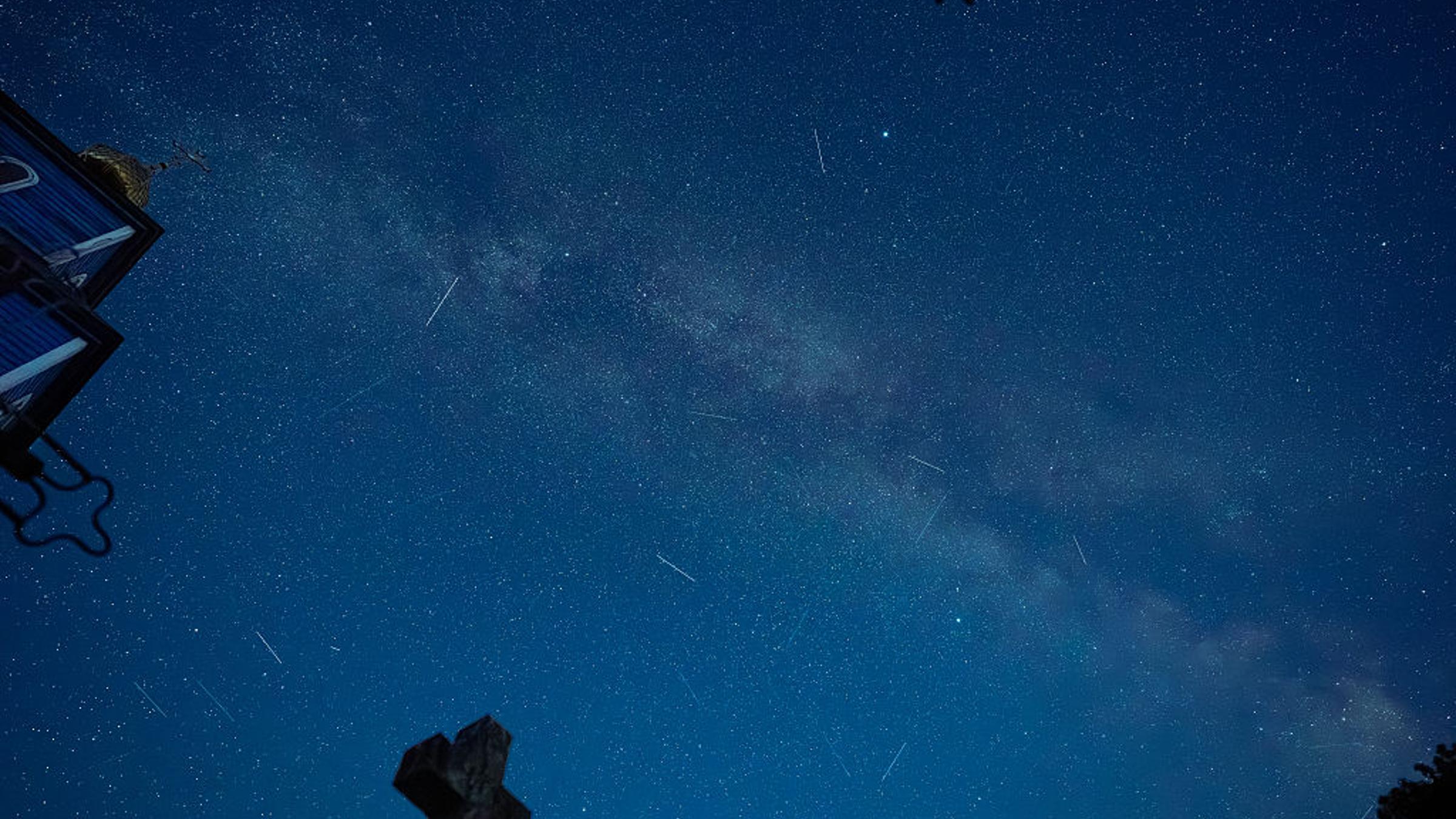
The Perseid Meteor Shower: A Beginner’s Guide to Nature’s Fireworks
What Is a Meteor Shower? (ELI5 Explanation)
Imagine driving a car through a cloud of bugs on a highway. Your windshield gets splattered, right? Earth is like that car, constantly zooming around the Sun. Space isn’t empty—it’s full of dust and tiny rocks left behind by comets and asteroids.
- On a normal night: Earth hits a few "bugs" (meteoroids). You might see a few "shooting stars" per hour.
- During a meteor shower: Earth drives straight through a dense trail of debris left by a comet. Suddenly, the "windshield" gets hammered! You can see dozens or even hundreds of meteors per hour.
Important: The "shooting stars" you see aren’t actually stars. They are tiny bits of dust (often no bigger than a grain of sand) burning up super-fast in our atmosphere!
The Perseids: The Summer Superstar Shower
The Perseid meteor shower is one of the most famous and reliable shows of the year. Here is why it’s special:
- The Parent: The dust comes from Comet Swift-Tuttle, a giant "dirty snowball" that orbits the Sun every 133 years.
- The Schedule: Earth passes through this comet’s dusty trail every year from mid-July to late August.
- The Peak Power: At its absolute best (the "peak"), you can see up to 100 meteors per hour under perfect dark skies.
- The Personality: NASA describes them as "swift and bright." They often leave long, glowing "wakes" (trails) of light and color behind them as they streak across the sky—like a sparkler on the 4th of July!
When Can You Best See It?
Mark your calendars!
- Right Now: The shower has already started (mid-July).
- The Grand Finale (Peak Night): The absolute best night to watch is the night of August 12 into the early morning of August 13. That is when Earth hits the densest part of the dust trail.
How to Watch: 5 Simple Steps (No Telescope Needed!)
You don’t need fancy gear. In fact, telescopes and binoculars make it harder to see meteors because they zoom in too much. You want to see the whole sky.
- Pick a Dark Spot: Get away from city lights. A park, a field, or a backyard far from streetlights works great.
- Check the Weather: You need clear skies. Clouds block the show.
- Time It Right: The best viewing is usually after midnight (when your part of Earth faces "forward" into the debris stream), but you can see them as soon as it gets dark.
- Get Comfy: Bring a blanket, a reclining lawn chair, or a sleeping bag. Lie flat on your back.
- Wait 20 Minutes: This is crucial! Your eyes need time to adjust to the dark (called "dark adaptation"). Don’t look at your phone—it ruins your night vision instantly.
Pro Tip: Look generally toward the northeast (where the constellation Perseus rises), but don’t stare at one spot. Meteors can appear anywhere in the sky. Just keep your eyes moving and relaxed.
Summary
- The Perseids happen every summer (July–August) when Earth crosses the dusty path of Comet Swift-Tuttle.
- They are famous for being fast, bright, and colorful, often leaving long trails.
- Peak night is August 12–13.
- No equipment needed—just a dark sky, patience, and your own two eyes.
FAQ: Your Burning Questions Answered
1. Why are they called the "Perseids"?
They are named after the constellation Perseus. If you trace the paths of the meteors backward, they all seem to radiate from that spot in the sky (the "radiant"). It’s an optical illusion—like snowflakes appearing to come from a point ahead of you when you drive through a storm.
2. Do I need a telescope or binoculars?
Absolutely not! They actually hurt your chances. Meteors zip across huge chunks of the sky in a split second. You need a wide, naked-eye view to catch them.
3. What if it’s cloudy on the peak night (Aug 12–13)?
Don’t worry! The shower is active for weeks. The weekend before or after the peak is still usually very good (maybe 50–75 per hour). Any clear night in early-to-mid August is worth a look.
4. Is it dangerous?
No. These are tiny specks of dust burning up 60+ miles above your head. They never reach the ground. (The big rocks that do hit the ground are called meteorites, and they are extremely rare.)
5. Why can’t I see many from my city porch?
Light pollution. City lights wash out the faint meteors. You only see the very brightest ones. Driving just 20–30 minutes away from city lights can increase your count by 10x or more.
 1
1