 11
11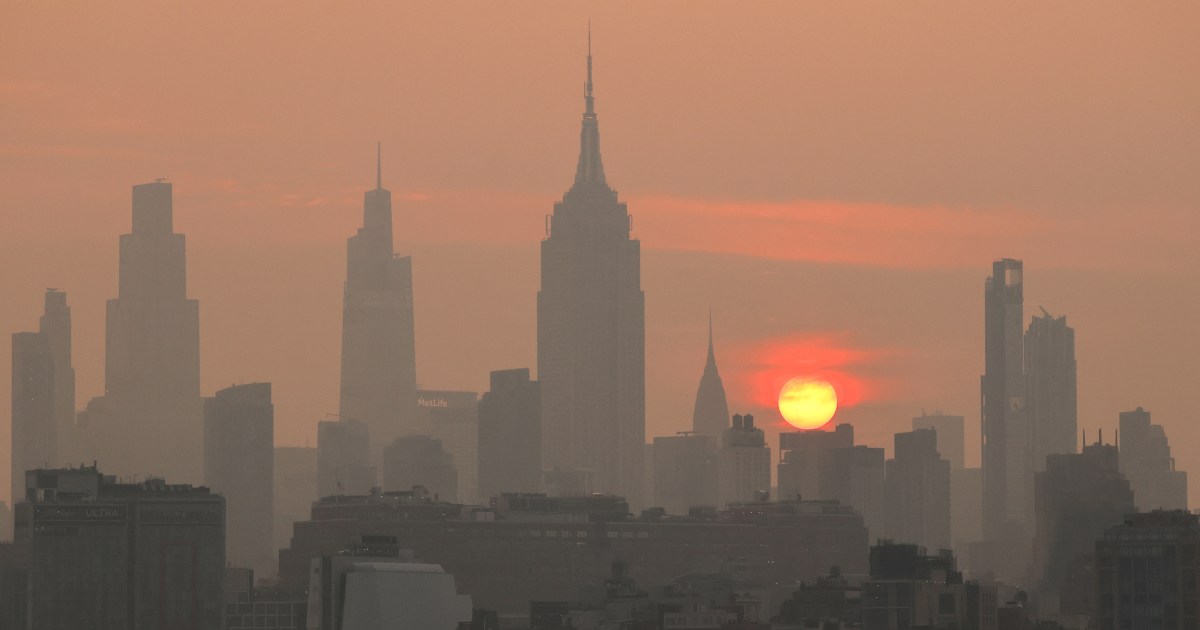
Because of the smoky air from wildfires, some cities are taking quick action to keep people safe.
Important: When officials close things or give out masks, it’s because the air is not safe to treat like a normal day.
Wildfire smoke is not just “smelly air.” It can make people sick.
Paulson also shared a simple rule:
“No particles are good to breathe, but wildfire particles seem to be more toxic than regular city particles. Whatever the air quality color is, pretend it’s one step worse if there’s lots of wildfire smoke.”
Wildfire smoke is made of tiny stuff you usually can’t see:
The most dangerous kind is called PM2.5. Here’s what that means in kid terms:
Serap Erdal, a professor at the University of Illinois Chicago, explained this while talking about a city air sensor project called Open Air Chicago.
Experts say the best plan is to act like the smoke is a “stay inside” kind of guest.
Important: Being indoors does NOT automatically mean you’re safe. Outdoor air can still sneak inside.
Even if you feel fine, the smoke can cause problems later.
Important: Protecting yourself from smoke is not “overreacting”—it’s basic self-care on bad-air days.
Wildfire smoke has tiny, toxic particles that can hurt your lungs and body. Cities like New York and Philadelphia are already responding with masks, shelters, and service changes. The safest move is to stay inside, use clean air tools, and wear N95/KN95 masks outside. Even if you feel healthy, the smoke can still affect you, so it’s smart to take it seriously.
PM2.5 means “tiny particles in the air that are 2.5 micrometers or smaller.” They are so small they can enter your lungs and bloodstream.
Not really. They give a little barrier but do not filter the smallest, most dangerous particles. N95 or KN95 masks are much better.
Because the air quality is bad from wildfire smoke, and masks help people breathe safer air when they must be outside.
Mostly safer, yes—but smoke can enter homes. Using air purifiers or recirculating AC helps keep indoor air cleaner.