Why We Should Stop Filming Strangers Kissing and Start Cheering Them On
The Problem: Viral Videos of Private Moments
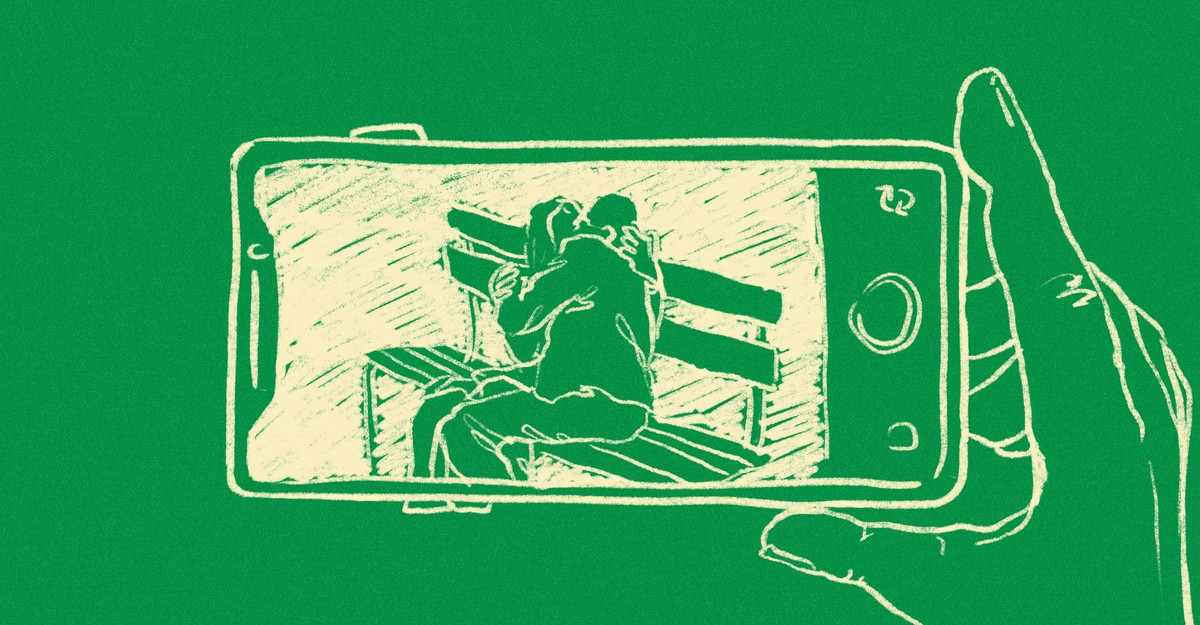
Imagine you’re sitting on a park bench, sharing a kiss with someone you like. Suddenly, a stranger walks up, points a phone camera at your face, and says, "Get a room! There’s kids around!"
That’s exactly what happened in New York City’s Central Park recently. A TikToker filmed two people kissing, posted it online, and the video got 3.9 million views.
What happened next was awful:
- Internet detectives figured out who the kissers were
- Thousands of strangers mocked their appearance (even their socks!)
- News outlets like the New York Post and Daily Mail published their names and jobs
- One article called it "the kissyface" — as if that’s a real news story
IMPORTANT POINT
This should never have been news. Two adults kissing in a park is not a crime. It’s not a scandal. It’s just… life. But in today’s world, any private moment can become public entertainment.
Real People Get Hurt: The Coldplay Concert Story
This isn’t the first time. Almost exactly one year earlier, two coworkers (a CEO and an HR director) were caught on the jumbotron at a Coldplay concert sharing a hug. The video spread everywhere for months.
What happened to Kristin Cabot (one of the people in the video):
- 500–600 phone calls per day from strangers
- About 60 death threats
- Called a "slut" and "home-wrecker"
- Police had to watch her house for safety
- She quit her job
- Her kids became afraid to go outside
She later explained: She and her husband were already divorcing. Her boss was too. She made a "bad decision" after a couple of drinks. But nobody deserves death threats for a mistake.
It’s Not Just About Them—It Affects All of Us
You might think: "Well, I’m not famous. This won’t happen to me."
But that’s the scary part. Even if the chance is small, the possibility changes how everyone behaves.
The Chilling Effect:
- People become afraid to flirt, date, or kiss in public
- Young adults are already having less sex and dating less
- Many single people say they aren’t interested in dating at all
- Gen Z especially feels paralyzed by the fear of being "cringe"
IMPORTANT POINT
Romance is messy. Flirting risks rejection. Kissing is awkward. Falling in love is humiliating (in a good way!). You have to look stupid sometimes to learn. But now, looking stupid might go viral forever.
Why Are Young People So Scared to Date?
The Numbers Don’t Lie:
| Survey |
Finding |
| Yahoo/YouGov Poll |
Large share of Gen Z says fear of being "cringe" stops them from: opening up emotionally, pursuing hobbies, seizing opportunities, expressing themselves online |
| Hinge Dating App Survey |
Nearly 60% said fear of rejection stopped them from pursuing a relationship
Similar share didn’t confess feelings because it "might be a turnoff" |
Compare to the Past:
When older generations were young:
- They got drunk and kissed at parties
- They talked too loud on street corners
- They forgot to call someone’s landline
- Nobody filmed it. Nobody screenshot texts. Nobody became "West Elm Caleb." (A guy who went viral for… dating multiple women? The internet destroyed him.)
The "Panopticon" Effect: Feeling Watched All the Time
What’s a Panopticon? (ELI5 Version)
Imagine a circular prison where a guard in the center tower can see into every cell, but the prisoners can never see the guard. The prisoners never know if they’re being watched — so they act like they’re always being watched.
That’s social media today. You don’t see the cameras, but you feel them. You become a tiny crisis-PR professional in your own head, fast-walking through life, terrified of a misstep.
When Public Shaming Goes Wrong
Yes, Accountability Matters:
- Some men got away with bad behavior for years
- Women created "whisper networks" (like "Are We Dating the Same Guy?" Facebook groups and the Tea app) to warn each other
- That’s good! Protecting people from harm matters.
But Public Makeout Videos? Who Is Actually Harmed?
- The online mob doesn’t know what’s happening in that Central Park man’s marriage
- It’s none of their business
- Neither person in the video has spoken to the press
- Kristin Cabot’s story proves: The internet gets it wrong. A lot.
IMPORTANT POINT
Public shaming is a giant club hammering a glass nail. It destroys lives over things that are either:
- None of our business
- Already being handled privately (divorce, separation)
- Just… human mistakes
Why Kissing in Public Is Actually Good (Science Says So!)
Research Supports PDA (Public Displays of Affection):
| Study |
Finding |
| Doctoral Dissertation (2024) |
PDA linked to higher relationship satisfaction and better communication |
| 2022 Psychological Study |
High "PDA-related vigilance" (worrying about PDA) linked to worse mental health |
The Extra Magic of "Un-self-conscious" PDA:
- Affection in private and public is healthy
- But kissing like nobody’s watching — in a world where everyone could be — is special
- It shows you can step away from guardedness
- It proves you’re so into someone you don’t care how you look
- It’s a feat of un-self-consciousness in service of lust or love
The Author’s Change of Heart: From Cringe to Applause
The Journey:
- Used to feel: Mild discomfort watching strangers kiss → Judge silently → Look away
- Now realizes: That "cringey" feeling is exactly why it’s great
- New reaction: Tip hat silently → "Thank you. That’s the shameless energy this nation needs."
Why This Matters Now:
- We live in a "frigid erotic environment" (Esther Perel’s term)
- People are scared, guarded, curated
- Spontaneous, live, uncurated yearning is a form of resistance
- It reminds us what being alive and in love looks like
How to Be Part of the Solution: 5 Simple Steps
- Don’t film strangers having private moments — ever
- Don’t share those videos if they cross your feed
- Don’t join the pile-on in comments
- Remember: You don’t know their story (divorce, open marriage, grief, joy)
- Next time you see PDA: Smile. Think: "Good for them." That’s it.
Summary
- Viral videos of strangers kissing ruin lives (death threats, job loss, traumatized kids)
- The fear of going viral makes everyone — especially young people — afraid to date, flirt, or be vulnerable
- We live in a digital panopticon where we feel watched 24/7
- Science says PDA is healthy — it boosts relationship satisfaction and mental well-being
- Kissing in public is brave — it’s un-self-conscious love in a guarded world
- Stop filming. Start cheering. Shameless affection is the resistance we need.
FAQ
Q: But what if someone is cheating? Don’t we have a right to know?
A: You don’t know they’re cheating. You don’t know their arrangement. Even if they are — it’s between them and their partner. Public shaming hurts innocent people (like Kristin Cabot, who was already divorcing) and children. Let private matters stay private.
Q: Isn’t filming in public legal?
A: Legal ≠ Right. It’s legal to film in public parks. It’s also legal to be cruel. But kindness and privacy are choices we make. Just because you can doesn’t mean you should.
Q: What about "whisper networks" warning about dangerous people?
A: Those serve a real safety purpose — protecting people from abuse. That’s completely different from filming a consensual kiss and mocking socks. One prevents harm. The other is harm.
Q: Why does Gen Z care so much about being "cringe"?
A: They grew up with smartphones. Every awkward phase, bad haircut, and failed flirtation could be recorded and shared forever. Older generations had the mercy of forgotten memories. Gen Z has permanent digital receipts.
Q: So I should just… kiss in public more?
A: If you want to! The point isn’t that everyone must do PDA. It’s that nobody should fear it. If you feel a surge of affection — go for it. If you see it — tip your hat. Shameless love is a radical act in a surveillance world.
 1
1