11
11
Imagine you hurt your knee playing tag in December. You rest it, do some exercises, and it feels okay for light jogging. But when you try to sprint and make sharp cuts at full speed during summer practice—ouch! The pain comes back.
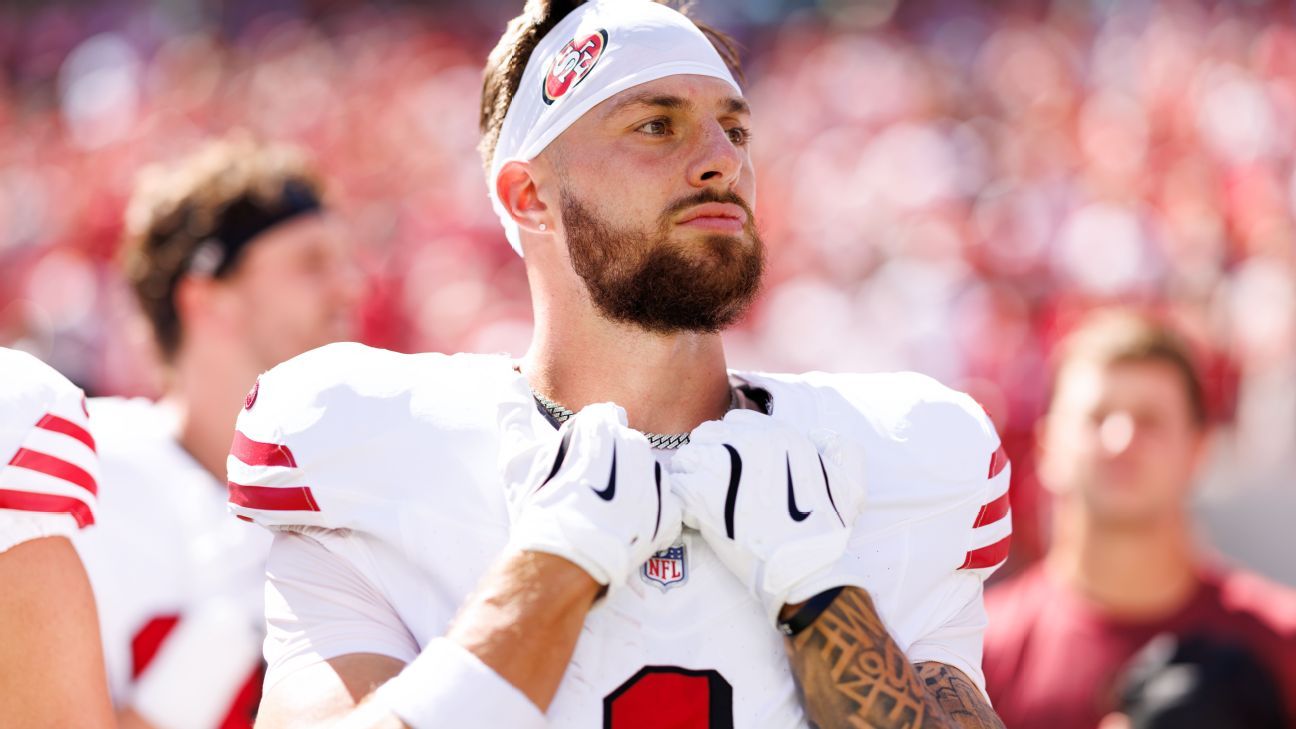
That’s basically what happened to San Francisco 49ers wide receiver Ricky Pearsall. He re-aggravated a PCL (posterior cruciate ligament) injury in December 2025. Now, during 2026 training camp, doctors are talking about surgery. Fans are asking: “Why wait until now? Why not fix it in the offseason?”
The short answer: That’s exactly what doctors usually recommend. Let’s break down why.
Think of your knee like a hinge on a door.
- The PCL is a strong rope (ligament) inside your knee that stops your shin bone from sliding too far backward.
- It’s bigger and stronger than the famous ACL, but when it gets hurt, it can still cause big problems—especially for athletes who cut, jump, and sprint.
Doctors don’t jump to surgery for PCL injuries. Here’s why, according to experts like Dr. Nirav Pandya and Dr. Jesse Morse:
Doctors follow a careful plan before suggesting surgery:
IMPORTANT POINT
Pearsall didn’t do anything wrong.
He followed standard medical advice. The injury simply didn’t heal enough on its own. Now, surgery is being discussed—not yet decided—as the next option.
| Doctor | Key Quote |
|---|---|
| Dr. Nirav Pandya | “Sometimes the symptoms won’t creep up until players really start doing intensive activities… reconstruction has a long recovery process (9–12 months) and results are mixed; especially at an agility position like WR.” |
| Dr. Jesse Morse | “The data on these is not good surgically.” |
Both agree: Surgery is a backup plan, not Plan A.
Because offseason workouts are lighter. Training camp means full-speed cuts, collisions, and sprints—the exact movements that stress the PCL the most.
Yes! Many PCL injuries do heal with rest and rehab. That’s why doctors try that first. Surgery is only for cases that don’t heal.
Some players return to their old form. Others lose a step, feel stiffness, or never fully trust the knee again. For a WR, even a small loss of quickness can be career-changing.
No. It’s being discussed as an option. The team and Pearsall will weigh the risks vs. benefits before deciding.
Technically yes—but he’d have missed the whole 2025 season and risked a worse outcome. Doctors don’t recommend that gamble unless absolutely necessary.
Hopefully, with a little more time, Pearsall’s knee settles down and he can avoid the operating room altogether. But if not? Now you know why the wait wasn’t a mistake—it was the plan.