 11
11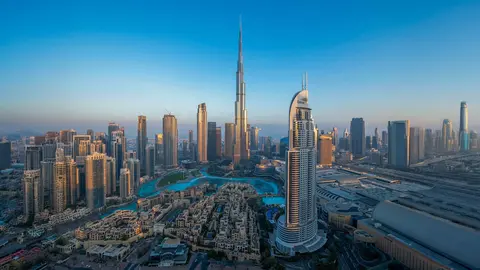
Imagine two kids standing back-to-back to see who’s taller. Simple, right? But what if one kid wears a tall hat and the other has a ponytail sticking up? Who wins?
In 1996, the grown-ups of the architecture world had this exact problem. The Council on Tall Buildings and Urban Habitat (CTBUH) — think of them as the "official referees" for skyscrapers — had to settle a fight:
Petronas Towers (Kuala Lumpur) vs. Sears Tower (Chicago)
The Petronas Towers had a lower roof, but they wore pointy spires (like fancy hats). The Sears Tower had a higher roof but only antennas (like ponytails). Who was truly taller?
The CTBUH made a rulebook that we still use today.
Here are the golden rules the referees established:
Why? Spires are part of the building’s design. Antennas can be added or removed later.
Height starts at the main pedestrian entrance (where people walk in) and goes to the architectural top (highest permanent part).
To be a skyscraper (not just a tower), at least 50% of its height must be usable floors where people live, work, or visit.
Tokyo Skytree (634 m) — Only 10% usable → Tower, not a skyscraper
No construction sites allowed! The building needs:
IMPORTANT POINT: The "Vanity Height" Trick
Some buildings add extra-tall spires just to win the height contest. This useless space is called "vanity height."
Example: The Burj Khalifa has 244 meters of vanity height — that’s almost ⅓ of the whole building!
In October 2025, the CTBUH got a fancy new name: Council on Vertical Urbanism.
But their database — The Skyscraper Centre — stays the same. It’s still the only official source the industry trusts.
The Burj Khalifa has been #1 since January 2010 — 16 years! That’s the longest reign since the Empire State Building.
Two buildings should beat it, but they keep stopping and starting:
| Building | Planned Height | Status |
|---|---|---|
| Jeddah Tower (Saudi Arabia) | 1,008 m | Stopped 2017 → Restarted 2023 |
| Dubai Creek Tower (UAE) | ~1,300 m | Multiple pauses |
The 1-kilometre mark (1,000 m) has been architecture’s dream for 100 years — and we’re still waiting.
Note: The CTBUH lists 10, but only 5 were provided in the source.
| Concept | Simple Explanation |
|---|---|
| CTBUH / Council on Vertical Urbanism | The official referees for skyscraper height |
| Spires vs. Antennas | Spires = architectural (count) · Antennas = technical (don’t count) |
| 50% Rule | Half the height must be usable floors = skyscraper |
| Vanity Height | Extra-tall spires just for bragging rights |
| Burj Khalifa | King of the hill since 2010 (828 m) |
| 1 km Dream | Jeddah Tower & Dubai Creek Tower might break it… someday |
Because antennas are like clip-on accessories — they can be changed, removed, or added later. Spires are built into the design from day one.
It’s a tower, not a skyscraper. Only ~10% has usable floors. The rest is structure for broadcasting. Rules are rules!
The non-usable space at the top (usually a spire) that exists only to make the building taller on paper. Burj Khalifa’s top 244 m is mostly this.
Building super-tall is crazy expensive, technically brutal, and needs perfect economics. The two contenders (Jeddah & Dubai Creek) keep running out of money or pausing.
Probably! But not tomorrow. Jeddah Tower could be first if it finishes. The engineering exists — it’s the funding and patience that are hard.
Data source: The Skyscraper Centre (Council on Vertical Urbanism)
Note: Rankings reflect completed, occupied buildings only.