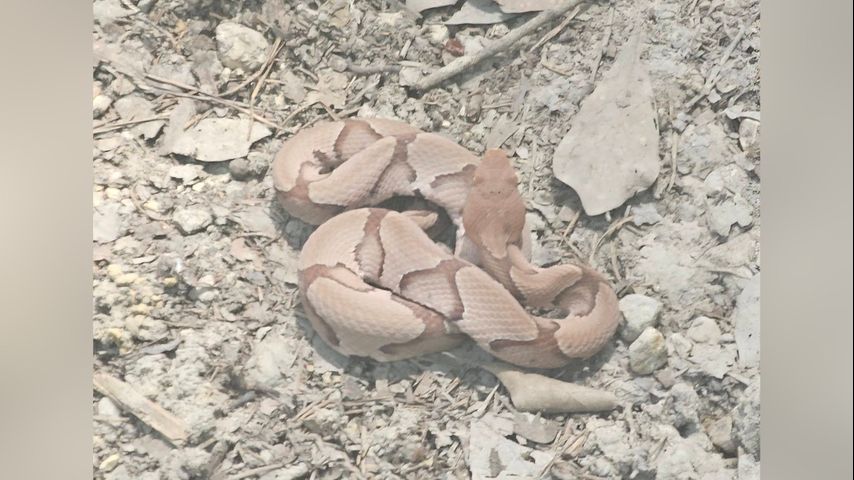
Snake Bite in Livingston: What Happened and How to Stay Safe
The Story: What Happened on Saturday
On Saturday afternoon, someone in Livingston got bitten by a venomous snake called an Eastern Copperhead. Here’s what we know:
- The person was taken to the hospital for treatment
- The Livingston Police Department, Livingston Fire Department, and Acadian EMS all rushed to help
- Police shared important reminders for everyone in the area
Where: Livingston
What snake: Eastern Copperhead (venomous)
Response: Police + Fire Department + EMS
Outcome: Person transported to hospital
Why This Matters Right Now
It’s Snake Season!
The police want everyone to know: snakes are active both day and night right now. This isn’t just a daytime thing—you need to be careful all the time.
IMPORTANT: What to Do If You Get Bitten
CALL OUT BOX – REMEMBER THESE TWO THINGS:
- THE EXACT TIME the bite happened
- WHAT KIND OF SNAKE it was (if you can tell)
Why? This information helps doctors and first responders give you the right treatment FAST!
Step-by-Step: What to Do If a Snake Bites You
- Stay calm – Panicking makes your heart beat faster, which spreads venom quicker
- Call 911 immediately – Don’t wait to see if you feel worse
- Remember the time – Look at a clock or phone right away
- Try to remember the snake – Color, pattern, size (but DON’T try to catch it!)
- Keep the bitten area still – Don’t move it around
- Remove tight things – Take off rings, watches, tight clothes near the bite
- Wait for help – Don’t drive yourself to the hospital
Meet the Eastern Copperhead
What Does It Look Like?
- Color: Tan, copper, or light brown
- Pattern: Dark hourglass shapes across its back (like sideways bowties)
- Head: Triangle-shaped, wider than its neck
- Eyes: Cat-like pupils (vertical slits)
- Size: Usually 2-3 feet long
Where Do They Hang Out?
- Wooded areas
- Near water (creeks, ponds)
- Rock piles and log piles
- Tall grass and bushes
- Sometimes near houses in yards
Snake Safety Tips for Everyone
Do These Things
- Watch where you step and put your hands
- Wear boots in tall grass or woods
- Use a flashlight at night
- Keep your yard tidy (mow grass, remove brush piles)
- Teach kids to "leave snakes alone"
Don’t Do These Things
- Don’t try to catch or kill snakes
- Don’t reach into holes or under rocks blindly
- Don’t walk barefoot outside at night
- Don’t assume a dead snake can’t bite (it can!)
Summary
A person in Livingston was bitten by an Eastern Copperhead snake on Saturday and taken to the hospital. Multiple emergency teams responded. Right now is peak snake season—snakes are out day and night. If anyone gets bitten, remember the time and the snake type—this helps doctors save lives. Stay alert, wear boots in grassy areas, and teach your family to give snakes space!
FAQ: Your Snake Questions Answered
Are all copperhead bites deadly?
No! While copperheads are venomous, their bites are rarely fatal to healthy adults. But they hurt a lot and need medical care right away. Kids, elderly people, and those with health issues are at higher risk.
How can I tell if a snake is venomous?
In our area, remember: Triangle head + cat eyes + hourglass pattern = likely copperhead. But honestly? Treat ALL snakes as potentially dangerous and just leave them alone. It’s not worth guessing!
What should I NOT do if bitten?
Don’t: Cut the wound, suck out venom, use a tourniquet, put ice on it, drink alcohol/caffeine, or try to catch the snake. Old movie tricks don’t work and make things worse!
Will the snake chase me?
Nope! Snakes want nothing to do with you. They bite only when scared or stepped on. If you back away slowly, they’ll slither off happily.
How do I keep snakes out of my yard?
Keep grass short, remove wood/rock piles, seal gaps under porches/sheds, control rodents (snake food), and consider a snake fence if you’re in a high-risk area.
Stay safe, Livingston!
 1
1