11
11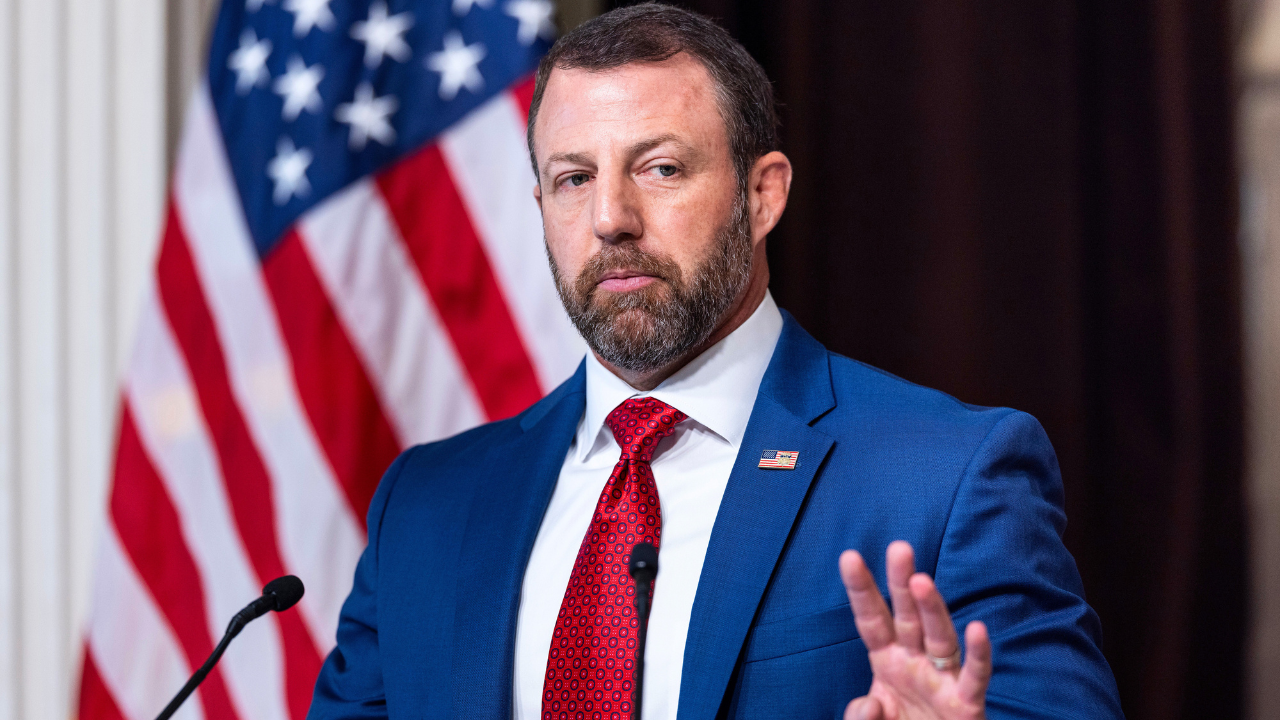
Imagine you tell your friend "No candy ever!" but then five minutes later you say "Actually, we should think about getting better candy for the party." Your friend would be confused, right?
That’s basically what happened with Markwayne Mullin, the Secretary of Homeland Security (the person in charge of border security and immigration). In just a few hours, he sent two very different messages about immigration—and conservatives noticed.
Conservative critics say these two messages contradict each other. Here’s why they’re angry:
IMPORTANT POINT
The core conflict: Enforcement-first voters want immediate deportations. Mullin’s speech suggested the system needs updating to handle labor shortages and legal pathways. Critics hear "reform" and think "amnesty."
Mullin’s speech wasn’t just "let everyone in." Here’s the breakdown:
This isn’t just about one speech and one tweet. It reveals a tension within the Republican Party:
| Camp A: Enforcement Only | Camp B: Reform + Enforcement |
|---|---|
| Mass deportations now | Secure border AND fix legal immigration |
| "Reform" = amnesty trap | Current system hurts economy |
| No new visas | Update work visas for labor needs |
The Trump administration has made immigration enforcement and mass deportations a cornerstone of its agenda. Mullin’s job is to execute that—but his Oklahoma comments suggested he also sees structural problems that enforcement alone won’t fix.
He’s the Secretary of Homeland Security under President Trump. Before that, he was a U.S. Senator from Oklahoma. His department handles border security, immigration enforcement, and disaster response.
Amnesty means giving legal status (or a path to citizenship) to people who entered the country illegally or overstayed visas—without them facing the normal penalties. Critics use it as a negative word for any policy that lets undocumented immigrants stay.
Many conservatives believe "comprehensive immigration reform" is a code phrase for amnesty. They point to past bipartisan bills that promised enforcement and a path to citizenship—but only the citizenship part happened.
These are legal pathways for foreign workers to fill jobs in the U.S. (like H-1B for tech, H-2A for farm work). Mullin says some are outdated and don’t match current labor needs—like not enough visas for industries with worker shortages.
Not clearly. He said both things: strict enforcement and the system needs updating. The conflict is about emphasis and framing—critics think talking about "reform" undermines the deportation mandate voters elected Trump to carry out.
![Aegon Steals the Series’ Best Scene—And [SPOILER] Lives](https://images2.minutemediacdn.com/image/upload/c_crop,x_0,y_0,w_1920,h_1080/c_fill,w_1440,ar_1440:810,f_auto,q_auto,g_auto/images/ImageExchange/mmsport/385/01kywbb8mvcse5e9k6sp.jpg "Aegon Steals the Series’ Best Scene—And [SPOILER] Lives")