11
11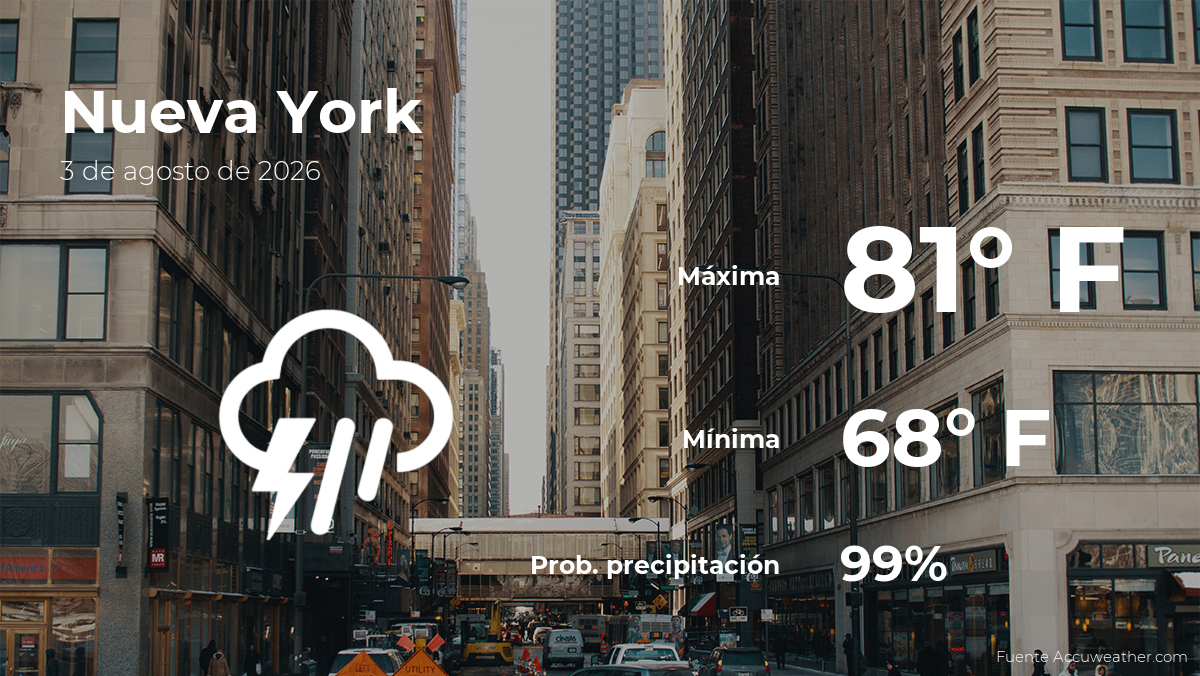
Hey there! Planning to walk around the Big Apple tomorrow? Let’s break down exactly what Mother Nature has in store so you can dress perfectly and stay comfortable all day long.
IMPORTANT: GRAB YOUR UMBRELLA!
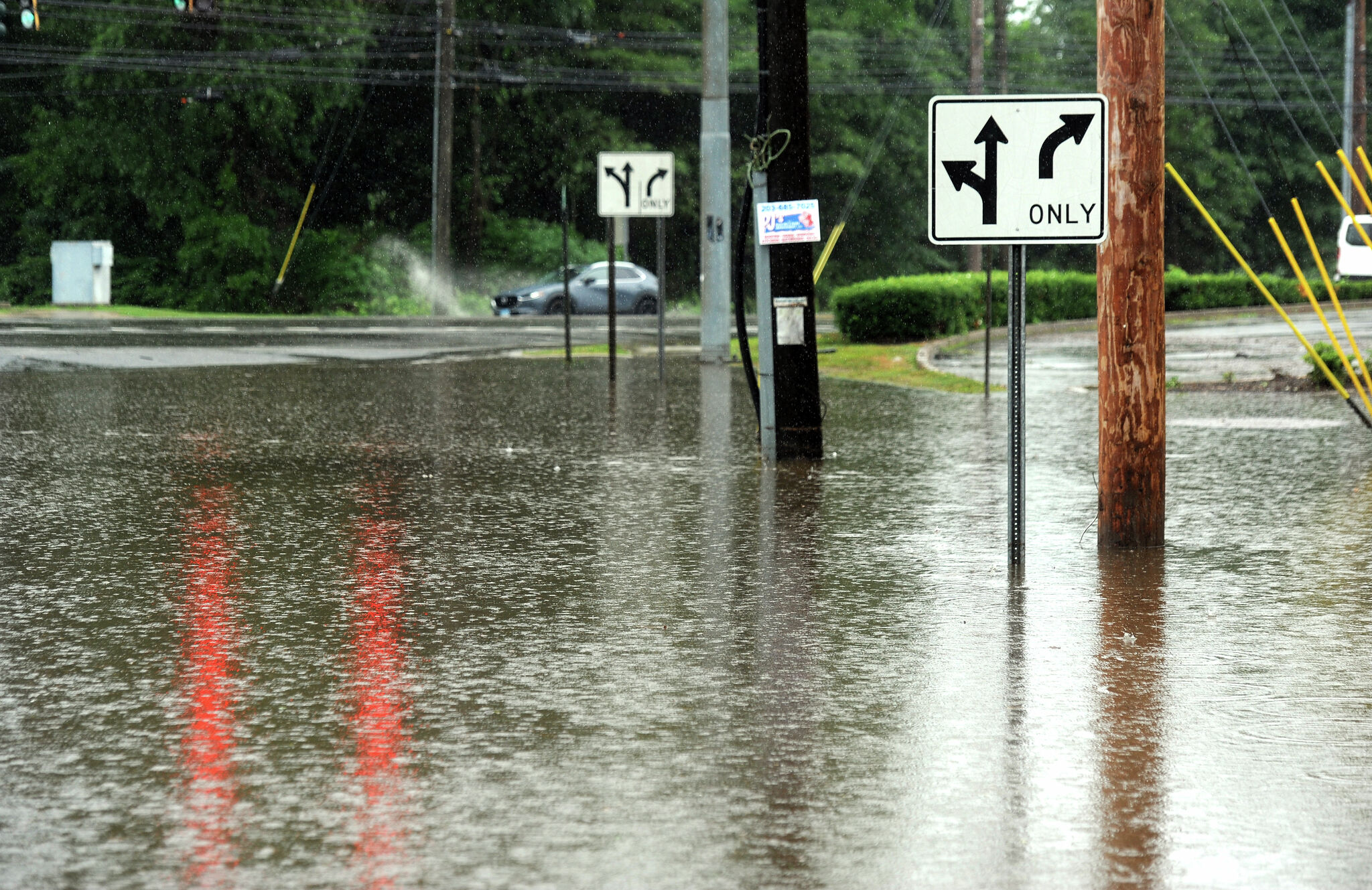
There’s a 99% chance of rain during the day — it’s practically guaranteed to get wet out there.
| Weather Factor | Details |
|---|---|
| High Temperature | 81°F (27°C) |
| Low Temperature | 68°F (20°C) |
| Feels Like (Heat Index) | 88°F (31°C) — your body will feel hotter than the actual temperature! |
| Rain Chance (Day) | 99% |
| Rain Chance (Night) | 55% |
| Cloud Cover (Day) | 54% |
| Cloud Cover (Night) | 51% |
| Wind (Day) | Up to 6.84 mph (gentle breeze) |
| Wind (Night) | Up to 4.35 mph (light breeze) |
| Sunrise | 5:54 AM |
| Sunset | 8:10 PM |
| Total Daylight | 14 hours |
Think of it like this:
The thermometer says 81°F, but humidity (water vapor in the air) makes it harder for your sweat to evaporate. Since sweating is how your body cools down, high humidity makes you feel hotter and stickier — like 88°F.
Bottom line: Dress for 88°F, not 81°F.
| Time of Day | Temperature | Rain Chance | What to Expect |
|---|---|---|---|
| Morning | 72°F (22°C) | 2% | Pleasant, mostly sunny |
| Afternoon | 82°F (28°C) | 25% | Warm, few clouds — maybe a stray shower |
| Night | 72°F (22°C) | 2% | Clear and comfortable |
Verdict: Tomorrow is a 10/10 day for walking, parks, or outdoor dining. Light layers, sunglasses, and maybe a light jacket for evening.
KEY TAKEAWAY: NYC has a humid continental climate — fancy words for "four distinct seasons with plenty of moisture year-round."
| Season | Months | What It Feels Like |
|---|---|---|
| Winter | Dec–Feb | Cold, often freezing. Snow happens. Coldest: Jan–Feb |
| Spring | Mar–May | Unpredictable! Warm days, chilly nights. Rain showers frequent. |
| Summer | Jun–Aug | Hot + humid. Hottest: Jul–Aug. Afternoon thunderstorms common. |
| Fall | Sep–Nov | Crisp, colorful, generally dry. Many say best time to visit! |
Why isn’t it worse? The Atlantic Ocean acts like a temperature buffer — keeping winters slightly milder and summers slightly cooler than inland areas.
The U.S. is huge — so weather depends entirely on where you are. Here’s the simplest breakdown:
| Region | Climate Type | Simple Description |
|---|---|---|
| Coastal West (CA, OR, WA) | Mediterranean | Wet mild winters, dry hot summers |
| Southwest (AZ, NV, NM) | Arid (Desert) | Very dry, hot summers, cold winters (cold desert) or mild winters (hot desert) |
| Central/Western Plains | Semi-Arid | Dry, big temperature swings, not much rain |
Wear: Light clothes + waterproof jacket + water-resistant shoes
Bring: Compact umbrella (non-negotiable!)
Expect: Rain — lots of it — but warm temps
Skip: Heavy sweaters, suede shoes, anything that hates water
Bonus: 14 hours of daylight = plenty of time to explore (between showers!)
Because humidity slows down sweat evaporation. Your body can’t cool itself as well, so you feel hotter. It’s like wearing a plastic bag in a sauna — the air is wet, so your sweat just sits there.
Practically, yes. It means rain is expected over nearly the entire area for a good chunk of the day. Plan for wet, hope for dry spells.
Not necessarily! Many NYC attractions (museums, galleries, covered markets, subway) are indoors. Just build in "rain breaks" and carry your umbrella.
That’s a light breeze — enough to flutter leaves and maybe flip a cheap umbrella inside out. Not strong enough to knock you over, but grab a sturdy umbrella.
Late September to October (fall foliage, crisp air, low rain) or May to early June (blooming parks, pleasant temps). Avoid July–August if you hate humid heat.
Final Tip: Weather apps lie sometimes. Check radar maps (like the Windy embed above) right before you head out — you’ll see exactly where rain is right now.
Stay dry, stay cool, and enjoy the city that never sleeps — even in a downpour!