Popular Posts

Cubs Steal High-Upside Arm Zeferjahn From Angels in Sneaky Trade

Cubs Steal High-Upside Arm Zeferjahn From Angels in Sneaky Trade

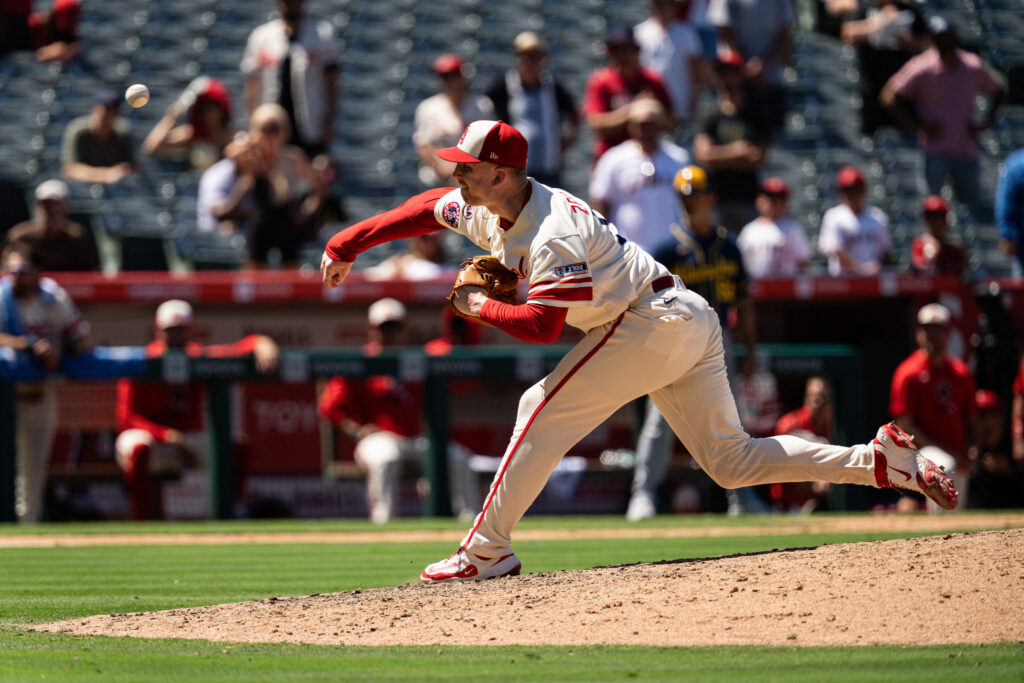
Cubs and Angels Make Trade: Chicago Gets Reliever Ryan Zeferjahn

What Happened?

The Chicago Cubs and Los Angeles Angels agreed to a trade on August 3, 2026. Here is the simple breakdown of who goes where:

  • The Cubs receive: Right-handed relief pitcher Ryan Zeferjahn
  • The Angels receive: Catcher Moises Ballesteros and right-handed pitcher Mason McGwire

Important Point: This trade helps the Cubs add a strong arm to their bullpen (the group of pitchers who come in late in games), while the Angels get two younger players to develop for their future.


Who Is Ryan Zeferjahn? (The Player the Cubs Got)

Think of Zeferjahn as a late-inning specialist. He is 28 years old and in his third full season in the Major Leagues. Here is why the Cubs like him:

His 2026 Season Stats (So Far)

  • Innings Pitched: 51 ⅔ (that’s a lot for a reliever!)
  • ERA (Earned Run Average): 3.66 — This means for every 9 innings he pitches, the other team scores about 3.66 runs on average.
  • Strikeout Rate: 33.5%This is elite! He strikes out more than 1 out of every 3 batters he faces. That ranks in the 97th percentile (top 3%) in all of baseball.

The "Advanced" Numbers (Simplified)

Baseball analysts use fancy math to predict how a pitcher should be doing, removing luck. These numbers love Zeferjahn even more:

  • xERA (Expected ERA): 2.93Based on the quality of contact he allows, he "should" have an ERA near 2.93.
  • SIERA (Skill-Interactive ERA): 3.37Another advanced metric that says his true skill level is better than his actual 3.66 ERA.

ELI5 Translation: Imagine you took a test and got a B+ (3.66 ERA), but the teacher’s answer key says your work was actually A- quality (2.93 xERA). The Cubs are betting on the A- talent.


What Makes His Pitches Special?

Zeferjahn relies on two main weapons. Statcast (the high-tech tracking system) grades them as above average:

Pitch Speed / Type Run Value What This Means
Four-Seam Fastball High-90s mph +2 A "plus" fastball that gains extra value from speed and movement.
Sweeper Slider with horizontal break +8 Elite pitch. "Run Value" measures how many runs a pitch saves. +8 is outstanding.

Important Point: A "Sweeper" is a modern slider that moves sharply sideways (like a Frisbee) rather than just dropping down. It is very hard for right-handed batters to hit.


Who Did the Angels Get?

The Angels focused on young talent (prospects) rather than immediate Major League help.

1. Moises Ballesteros (Catcher)

  • A catching prospect (a young player developing in the minor leagues).
  • Catchers who can hit are very valuable because the position is physically demanding.

2. Mason McGwire (Right-Handed Pitcher)

  • A pitching prospect (also in the minor leagues).
  • Fun Fact: He is the son of Mark McGwire, the famous former home run king!

Why Did Each Team Do This?

Chicago Cubs Perspective: "Win Now"

  1. Need Bullpen Help: Contending teams always need reliable relievers for the 7th, 8th, and 9th innings.
  2. Elite Strikeouts: Zeferjahn misses bats at a near-historic rate. In tight playoff games, strikeouts are gold because they prevent rallies.
  3. Cheap Control: He is arbitration-eligible (team controls salary for a few more years), making him affordable.

Los Angeles Angels Perspective: "Build for Future"

  1. Rebuilding: The Angels are not fighting for a playoff spot this year.
  2. Acquire Assets: They turned a 28-year-old rental (free agent after 2026?) into two young players with years of team control.
  3. Positional Depth: They added a catcher and a pitcher—two positions where you can never have enough depth.

Summary

Team Got Gave Up Goal
Cubs Ryan Zeferjahn (Proven MLB Reliever, Elite K-rate) Moises Ballesteros (C Prospect) + Mason McGwire (P Prospect) Strengthen bullpen for playoff push.
Angels Moises Ballesteros + Mason McGwire (Young Prospects) Ryan Zeferjahn (28-year-old Reliever) Restock farm system with young talent.

The Bottom Line: The Cubs bet on current performance and advanced metrics (xERA, Sweeper) to win games in August/October. The Angels bet on potential and time to win games in 2028 and beyond.


FAQ (Frequently Asked Questions)

1. What is a "Reliever" or "Bullpen" pitcher?

A reliever is a pitcher who enters the game after the starting pitcher leaves, usually in the 6th inning or later. They pitch fewer innings (1–2 at a time) but throw harder and face high-pressure situations.

2. What does "97th Percentile Strikeout Rate" mean?

Imagine lining up 100 pitchers from worst to best at striking batters out. Zeferjahn is better than 97 of them. Only 2 or 3 pitchers in the whole league strike out a higher percentage of batters.

3. What is xERA and why is it lower than his actual ERA?

xERA (Expected ERA) uses data like exit velocity (how hard the ball is hit) and launch angle to calculate what a pitcher’s ERA should be if they had average luck. Zeferjahn’s xERA (2.93) is lower than his real ERA (3.66), suggesting he has been slightly unlucky (e.g., balls finding holes in the defense) and is actually pitching better than the scoreboard shows.

4. Who "won" the trade?

It is too early to say!

  • Cubs win if: Zeferjahn dominates down the stretch and helps them make the playoffs.
  • Angels win if: Ballesteros or McGwire become solid everyday Major Leaguers in 2–3 years.

5. What is "Run Value" on pitches?

Run Value estimates how many runs a specific pitch saves (or costs) a team compared to an average pitch.

  • +2 (Fastball): Good, above average.
  • +8 (Sweeper): Elite. This is one of the best sweepers in baseball. It saves roughly 8 runs over a full season compared to an average pitch.

Leave a Reply

Your email address will not be published. Required fields are marked *