11
11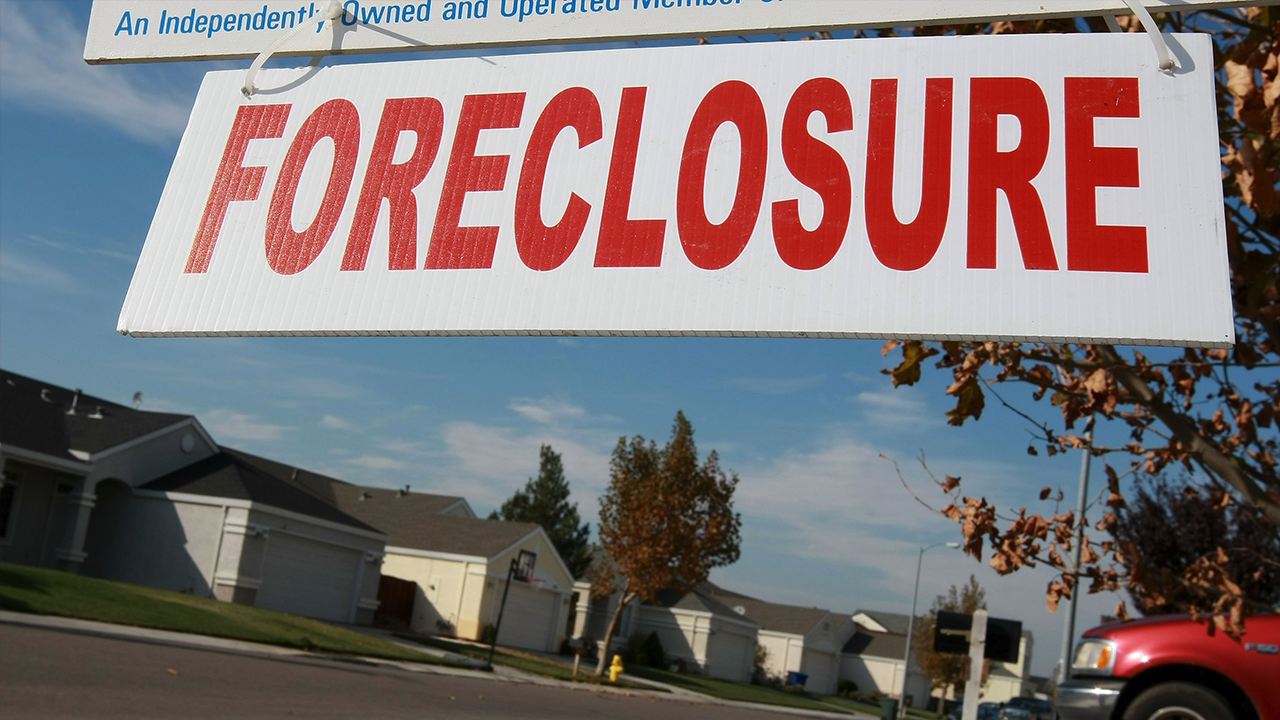
Imagine your neighborhood is like a big club where everyone chips in money each month to keep the pool clean, fix the roof, and pay for insurance. Lately, that club is running low on cash — and they’re not asking nicely anymore. They’re taking people’s homes.
Homeowners associations (HOAs) across the country are aggressively pursuing foreclosure against residents who fall behind on their dues. According to real estate data firm ATTOM, HOA-related foreclosures have jumped nearly 40% compared to just two years ago — and they’re rising faster than regular mortgage foreclosures.
HOAs need cash to operate. But a late-2025 study by Reserve Study found that 74% of association-governed communities are underfunded — meaning they have less than 70% of the money they should have saved for future repairs and big projects.
Important: When an HOA doesn’t have enough reserves, even one major expense (like replacing a roof or repaving roads) can push them into crisis mode.
It’s not just homeowners feeling the pinch. HOAs are getting hit with massive price increases:
With the average monthly mortgage payment now topping $2,000 for the first time ever, many families are stretched thin. When something has to give, HOA dues often fall to the bottom of the priority list — after mortgage, food, utilities, and car payments.
Instead of offering grace periods or payment plans, many associations are moving straight to hardball tactics:
| Old Approach | New Aggressive Approach |
|---|---|
| Friendly reminder letters | Immediate referral to collection attorneys |
| 30–60 day grace periods | Liens filed within weeks |
| Payment plans offered | Foreclosure proceedings started quickly |
The numbers don’t lie: In 2025 alone, HOAs filed 284,933 liens against homeowners — that’s roughly one every 90 seconds. An 8.6% jump from 2024.
Important: A lien is a legal claim on your property. In many states, if you don’t pay what you owe (plus fees and legal costs), the HOA can eventually force the sale of your home — even if you’re current on your mortgage.
This isn’t just happening in struggling neighborhoods. The crackdown spans:
No community is immune when the math doesn’t work.
If you fall behind on HOA dues, here’s what typically happens now:
Key point: In many states, HOA liens have "super priority" — meaning they get paid before the mortgage lender in a foreclosure sale. This gives HOAs tremendous leverage.
Yes. Once legal fees, late charges, and lien costs are added, a $500 debt can become $5,000+ quickly. In many states, HOAs can foreclose on that amount.
A mortgage foreclosure happens when you don’t pay your home loan. An HOA foreclosure happens when you don’t pay your association dues. Both can result in losing your home. In some states, the HOA gets paid first from the sale proceeds.
Contact your HOA board or management company immediately — in writing. Ask about:
Some states have protections — like requiring mediation before foreclosure, limiting attorney fees, or setting minimum debt thresholds. Check your state’s laws or consult a local attorney.
Request the HOA’s financial statements and reserve study (you have a legal right to these in most states). Look for:
Your HOA isn’t "out to get you" — but it is a business with bills to pay. When its budget breaks, the pressure flows downhill to homeowners. Stay informed, pay on time if you can, and communicate early if you can’t. Your home may depend on it.