 11
11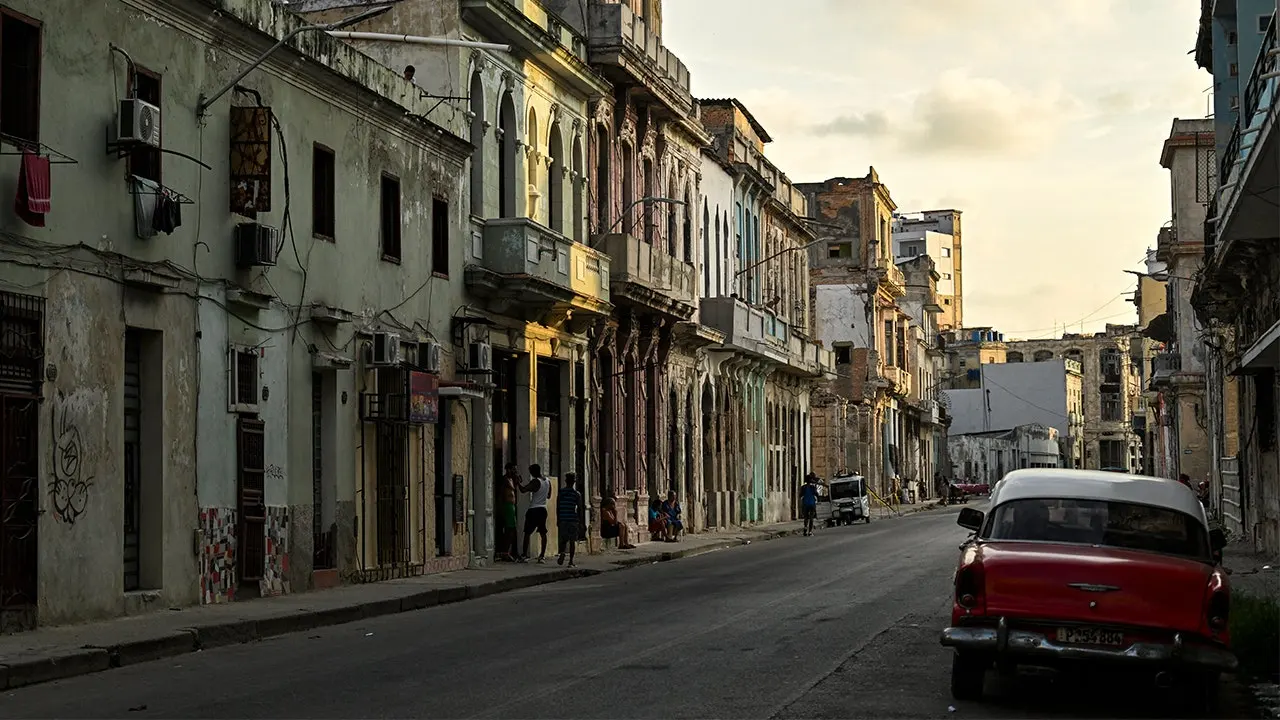
Imagine flipping a light switch and nothing happens. Now imagine that happening across an entire country — all at once. That’s exactly what’s happening in Cuba right now.
The U.S. Embassy in Havana has issued a serious warning: Cuba’s electrical grid has completely collapsed, leaving the entire island without power. This isn’t a small outage — it’s the sixth nationwide blackout in 2026 alone, with three happening just in July.
IMPORTANT ALERT
The U.S. Embassy says: "All U.S. citizens in Cuba or planning to travel to Cuba should be aware and plan accordingly."
If you’re there now or thinking about going, read this first.
This isn’t uncomfortable — it’s dangerous, especially for older adults, children, and anyone with health conditions.
You cannot go just for a beach vacation. U.S. law bans tourism travel to Cuba.
However, the Treasury Department’s Office of Foreign Assets Control (OFAC) allows travel under 12 approved categories:
Key Point: If you’re traveling, you must fit into one of these categories and keep records of your activities.
The State Department issued a travel advisory in May 2025 that’s still very relevant. Here’s what they tell Americans:
| Factor | What It Means |
|---|---|
| Aging Infrastructure | Cuba’s power grid is old and falling apart — like a car that’s never had an oil change |
| Fuel Shortages | Not enough fuel to run power plants |
| U.S. Sanctions | Cuban officials blame U.S. restrictions for making it hard to get parts and fuel |
| Lack of Investment | Years of underfunding mean no upgrades or maintenance |
The latest cause? According to Cuban state media: Unknown. The embassy says: "The reason for the collapse and the timeline to restore power is unknown."
Travel smart. Stay safe. Prepare for the worst.
No. U.S. law applies to U.S. citizens and residents no matter where you book from. Going through Mexico, Canada, or the Caribbean doesn’t change the rules.
It means your trip must directly benefit independent Cuban civilians — like staying in casas particulares (private homes), eating at paladares (private restaurants), and hiring private guides. You cannot stay at government hotels or use state-run services.
Maybe, but don’t count on it. Most U.S. carriers don’t have roaming agreements with Cuba. Even if yours does, cell towers need electricity — which they don’t have right now. Bring a satellite messenger or plan for zero connectivity.
Use extreme caution. Streetlights don’t work. Traffic signals are out. Crime risk increases in darkness. If you must go out, use a headlamp (keeps hands free), travel in groups, and avoid isolated areas.
It varies wildly. Some last hours. Others — like the July 2024 collapse — lasted weeks in some areas. The government rarely gives accurate timelines. Prepare for at least 7–10 days without grid power.
Stay informed. Check U.S. Embassy Havana alerts before and during any travel to Cuba.