11
11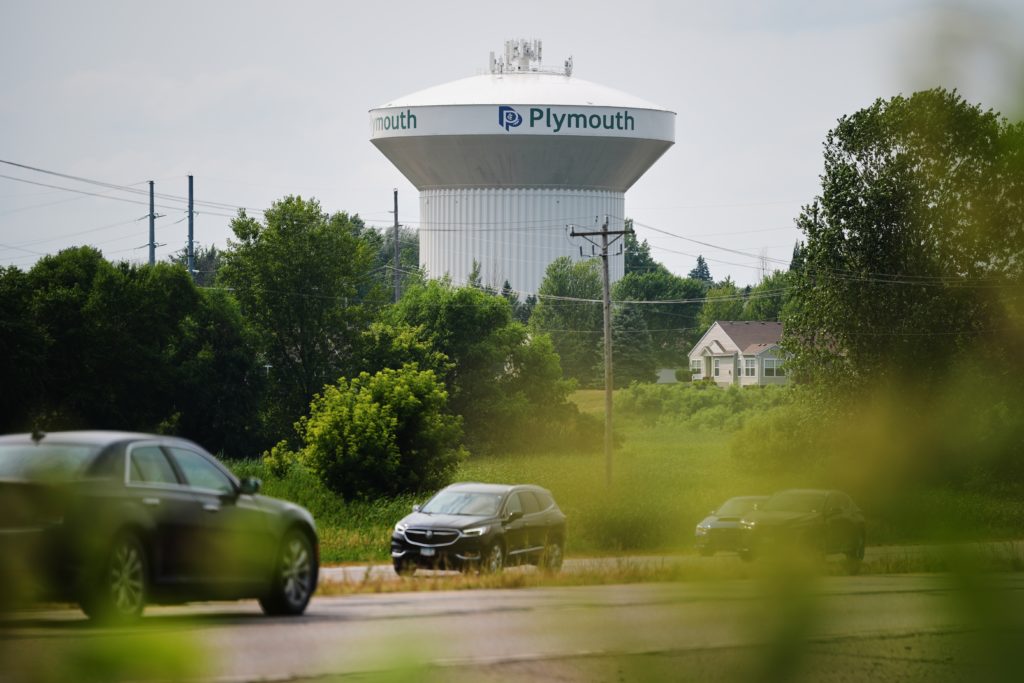
Imagine someone sneaking into the control room of your town’s water treatment plant—not by breaking a lock, but by hacking into the computer that tells the pumps when to turn on and off. That’s essentially what’s happening right now across America.
At least seven states have been hit by a wave of cyberattacks targeting critical water infrastructure. Federal investigators believe Iran is behind these coordinated attacks, which follow urgent warnings issued just last month.
Important Callout
This isn’t science fiction—it’s happening now. In Minnesota alone, at least 30 municipal water systems were compromised. Utilities nationwide are racing to strengthen their defenses.
Think of your local water system like a giant sprinkler system controlled by a tiny computer brain. These small computers (called PLCs or Programmable Logic Controllers) tell the pumps, valves, and treatment equipment what to do.
The hackers aren’t breaking into big, fancy supercomputers. They’re targeting these small, often overlooked control computers that run the actual water equipment.
Cynthia Kaiser, former FBI Cyber Division deputy director, explains the "attribution" process—how investigators figure out whodunit. She says she’d be "shocked if Iran wasn’t behind this."
| Clue | What Investigators Found |
|---|---|
| 1. Recent Pattern | Just last week, FBI, CISA, and other agencies warned that Iran was actively targeting these exact types of mini-computers controlling water and energy infrastructure |
| 2. Motive | These attacks aren’t for money (no ransom demands). They’re for disruption. Geopolitically, Iran has the strongest motive right now |
| 3. Track Record | Iran has a multi-year history of targeting these same devices at critical infrastructure facilities—often just accessing them and stopping there, exactly like this operation |
Key Insight
As Kaiser puts it: "We should all be moving forward assuming it’s Iran, because there isn’t really a plausible other scenario."
You might wonder: Why go after a small municipal water plant instead of a major city or a bank?
Simple answer: They’re the easiest to break into.
Think of it like a burglar checking car doors in a parking lot. They’re not picking a specific car—they’re trying every door until they find one unlocked. Small town water systems are often those unlocked doors.
Former President Trump blamed Minnesota and Governor Tim Walz, calling them "grossly incompetent and corrupt" for the attacks.
Kaiser’s response: The FBI confirms at least seven states were hit—and Michigan has since come forward as another victim. This is a national problem, not a Minnesota problem.
Very vulnerable—especially our water systems.
| Weakness | Impact |
|---|---|
| Chronic underfunding | Can’t afford modern security tools |
| No dedicated IT staff | Often managed by water engineers, not cybersecurity pros |
| Run by tiny municipalities | A town of 5,000 people can’t fund a security operations center |
| Aging equipment | Old control computers weren’t built with internet security in mind |
Scary Thought
When Kaiser was at the FBI and policymakers asked which sector worried her most, she said water—because every single person depends on it, and it’s the least protected.
The Trump administration:
CISA is the bridge between federal, state, and local governments on cybersecurity. They help water plants, power grids, and hospitals defend themselves.
Daily Operations Get Missed
"When there’s a big event, everyone pulls together. But what about the other operations happening every day? What do we miss without enough people watching?"
Not directly. The attackers accessed control computers, but modern water treatment has multiple physical and chemical safeguards. However, disrupting pumps or treatment processes could cause service outages or pressure drops that trigger boil-water advisories.
Often through weak passwords, unpatched software, or internet-exposed control panels that should never be online. Many small water systems use remote access tools for convenience—creating a door hackers can find.
If you live in a small-to-medium municipality, yes. Larger cities typically have dedicated cybersecurity teams. Smaller towns often have one person managing both the water chemistry and the IT.
Almost certainly. The intelligence community typically waits for high-confidence attribution before public statements, but Kaiser’s assessment—based on her FBI experience—says the evidence is overwhelming. Expect a formal announcement.