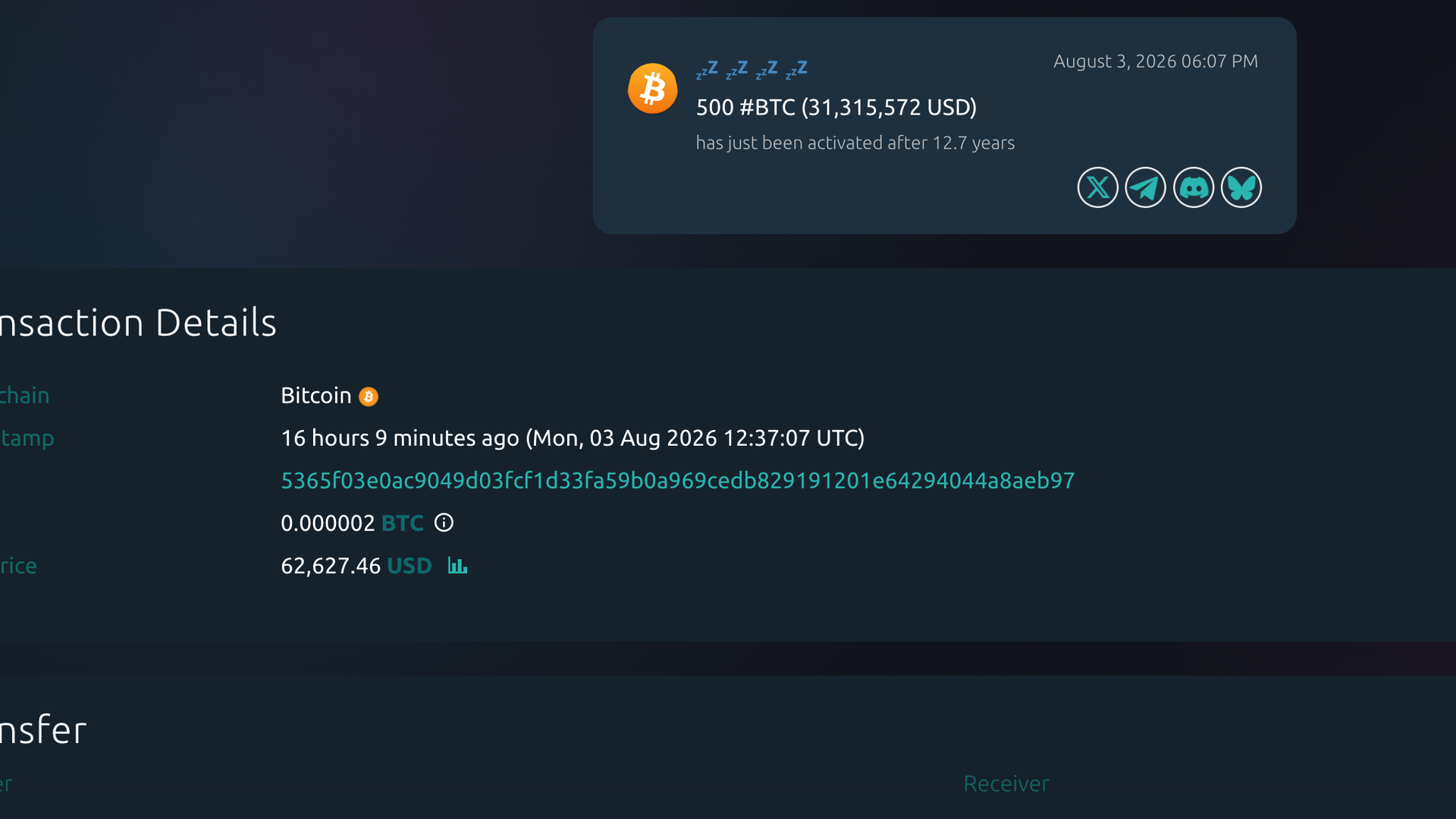
Dormant 2013 Bitcoin Wallet Wakes Up, Moves $31M
The Coldcard Wallet Hack: What Happened and Why It Matters
What Is Coldcard and What Happened?
Imagine you have a super-secure piggy bank that only you can open. Coldcard is like that piggy bank, but for Bitcoin — it’s a physical device (called a hardware wallet) that keeps your digital money offline and safe from hackers.
IMPORTANT: The Flaw Was There for Years
Researchers discovered that a hidden flaw in Coldcard’s software existed since March 2021. Bad actors found this flaw and started exploiting it on July 30, 2024. They’ve been quietly draining Bitcoin from affected wallets ever since.
How Big Is the Damage?
- Total stolen so far: ~$130 million worth of Bitcoin
- Timeframe: Attacks began July 30, 2024 (ongoing)
- Root cause: A software bug dating back to March 2021
- Who’s affected: People who generated wallets using Coldcard devices
Why Are People Moving Their Bitcoin to Exchanges?
When news of the hack broke, many Bitcoin holders got nervous. Here’s what happened next:
- Trust shaken: People started questioning if "being your own bank" (self-custody) is actually safe
- Panic moves: Large amounts of Bitcoin flowed onto exchanges (like Coinbase, Kraken, Binance)
- Why exchanges? Exchanges have security teams, insurance, and recovery options — things you don’t get with a hardware wallet at home
Think of it like this: You kept your life savings in a home safe. Then you hear that this brand of safe has a flaw thieves know about. You might rush to put your money in a bank vault instead — even though banks have their own risks.
What Do the On-Chain Clues Tell Us?
Bitcoin’s blockchain is a public ledger — anyone can see when coins move. Researchers at CryptoQuant noticed something strange:
The "Old Coins Waking Up" Signal
| Coin Age | Date of Spike | Amount Moved |
|---|---|---|
| 5–7 years dormant | July 31 | ~6,388 BTC |
| 7–10 years dormant | August 3 | ~935 BTC (largest single day since March 20) |
These are coins that hadn’t moved in years — like money buried in a backyard suddenly being dug up.
Why Old Coins Moving Matters
Old coins move for many normal reasons:
- Inheritance/estate transfers
- Exchange consolidating funds
- Companies moving to new custodians
But the timing is suspicious. The spikes happened right after the Coldcard news broke. This suggests:
The Likely Story: Long-term holders (whales, early adopters, institutions) saw the hack news and thought: "My coins might be at risk too — let me move them somewhere safer right now."
What Should You Do? (Step-by-Step)
If you use a Coldcard — or any hardware wallet — here’s your action plan:
- Check your device model & firmware version — not all Coldcards are affected
- Visit Coldcard’s official website for their security advisory
- Update firmware immediately if a patch is available
- Consider moving funds to a new wallet generated on a different device
- Never share your seed phrase (the 12–24 word backup) with anyone
- Monitor your addresses on a block explorer (like mempool.space) for unexpected activity
Summary
- A years-old flaw in Coldcard hardware wallets was exploited starting July 30, 2024
- ~$130M in Bitcoin has been stolen so far
- Fear spread fast — causing a wave of Bitcoin moving from self-custody to exchanges
- On-chain data shows long-dormant coins (5–10+ years) suddenly moving — likely owners protecting their stacks
- Self-custody isn’t "broken" — but this reminds us: verify your tools, update often, stay alert
FAQ
What is a hardware wallet?
A hardware wallet is a physical USB-like device that stores your Bitcoin private keys offline. It’s considered one of the safest ways to hold crypto — if the device software is secure.
What does "self-custody" mean?
Self-custody means you hold the keys to your Bitcoin — no bank, exchange, or company controls it. "Not your keys, not your coins."
Is Coldcard the only hardware wallet with flaws?
No. All software has bugs. Trezor, Ledger, and others have had issues too. The key is: keep firmware updated and buy from official sources only.
Should I move my Bitcoin to an exchange?
Not necessarily. Exchanges get hacked too (remember FTX?). Consider:
- Use a different hardware wallet for new funds
- Split holdings across multiple wallets
- Only keep trading funds on exchanges
How do I know if my Coldcard is affected?
Check Coldcard’s official blog or Twitter (@ColdcardWallet) for the latest advisory. They’ll list affected firmware versions and models. Never trust random links — go directly to coldcard.com.