11
11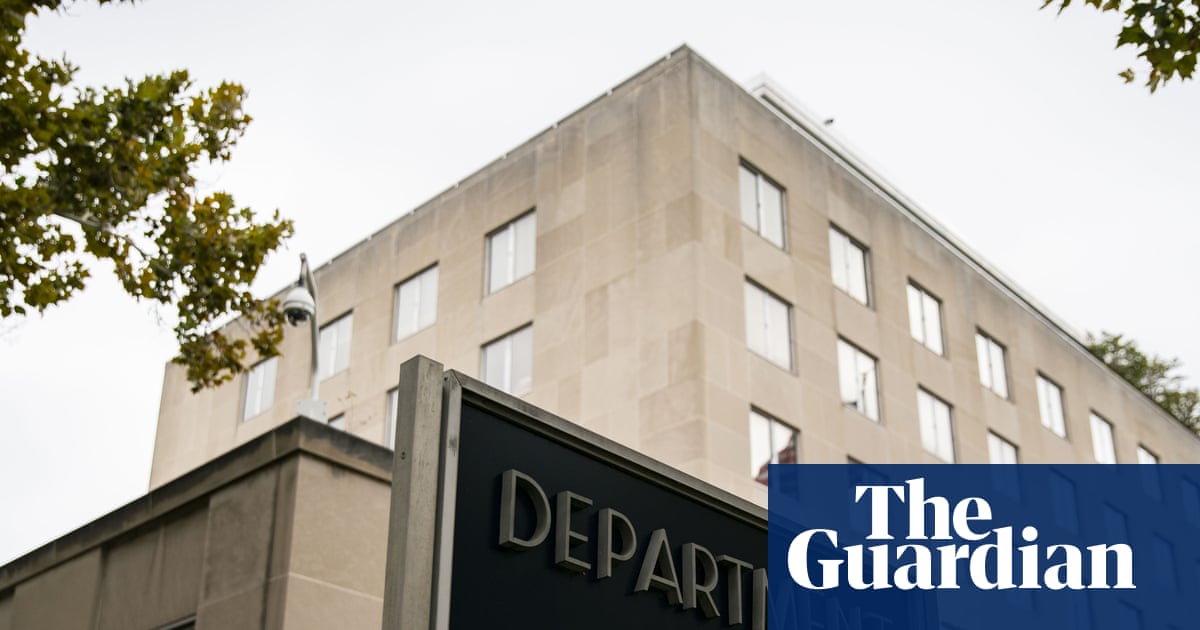
Imagine if your school decided to close the counselor’s office, the nurse’s station, and the library all at once to save money. Students would still have problems, but fewer places to go for help. That’s essentially what the United States is doing with its diplomatic offices around the world.
Important Point: The US State Department plans to permanently close five consulates and missions across four continents. Critics warn this creates empty spaces that China could fill, weakening American influence globally.
The State Department has officially notified Congress about these five locations:
Quick Geography Note: These closures span Asia, Africa, North America, and the Caribbean – a truly global pullback.
This isn’t happening in isolation:
| Action | Impact |
|---|---|
| 1,300+ employees fired last year | 246 Foreign Service Officers + 1,107 civil servants lost jobs |
| 100+ ambassador posts empty | Over half of 195 positions unfilled, including Germany, Cuba, Egypt, Saudi Arabia, Pakistan |
| USAID dismantled | Main overseas development agency gutted and folded into State Dept |
| White House wants 30 closures | Office of Management and Budget pushing for even more shutdowns |
China already has diplomatic missions in THREE of the five closing locations:
Senator Jeanne Shaheen (top Democrat on Senate Foreign Relations Committee):
"China has a diplomatic presence in three of the five locations where the State Department is closing shop and Beijing is going to exploit that new vacuum to undercut American interests."
"The yearly operating costs of these diplomatic facilities represent a tiny fraction of the State Department’s yearly budget. Is that worth pulling back from these places where China is present?"
Critical Points to Remember:
- Diplomacy isn’t free, but it’s cheap – These offices cost "a tiny fraction" of the budget
- Vacuums get filled – When America leaves, others (especially China) move in
- It’s not just buildings – It’s relationships, intelligence, trade help, and crisis response
- Combined with other cuts – Empty ambassador posts + USAID loss + staff firings = major capability reduction
- Allies notice – Canada, Japan, and others see reduced US commitment
The United States is closing five diplomatic missions worldwide – in Grenada, Japan, Indonesia, Cameroon, and Canada – citing cost savings. However, this continues a pattern of dramatic diplomatic downsizing under the Trump administration: over 1,300 staff fired, more than 100 ambassador positions left empty, and the dismantling of USAID.
Critics, including top Democrats and former diplomats, warn that China already operates in three of these five locations and will exploit the American withdrawal. The Winnipeg closure is particularly puzzling since it served a major trade region and China has no presence there.
While the State Department insists it’s about "efficiency," many experts argue the savings are minimal compared to the long-term damage to US influence, relationships, and global awareness.
A consulate is like a mini-embassy focused on practical services: helping citizens abroad (lost passports, emergencies), processing visas, supporting trade/business ties, and reporting local conditions to the main embassy. They’re the "boots on the ground" in major cities outside the capital.
Diplomatic presence = influence. When China has diplomats in a city and the US leaves, China becomes the primary foreign partner for local leaders, businesses, and institutions. They shape narratives, build relationships, and gain intelligence – all things the US loses.
Embassies are usually in capital cities. Consulates cover vast regions – like Winnipeg covering central Canada. Removing them creates huge geographic gaps. As the 20-year veteran noted: "a very long way between Calgary and Toronto."
According to Senator Shaheen: "a tiny fraction of the State Department’s yearly budget." The White House wants 30 closures total, suggesting ideology drives this more than genuine fiscal necessity.
Congress was notified (required by law) but has limited power to stop closures once initiated. However, they control funding and can:
Article based on reporting from The Guardian, AP News, CBC, and official congressional notifications.