 11
11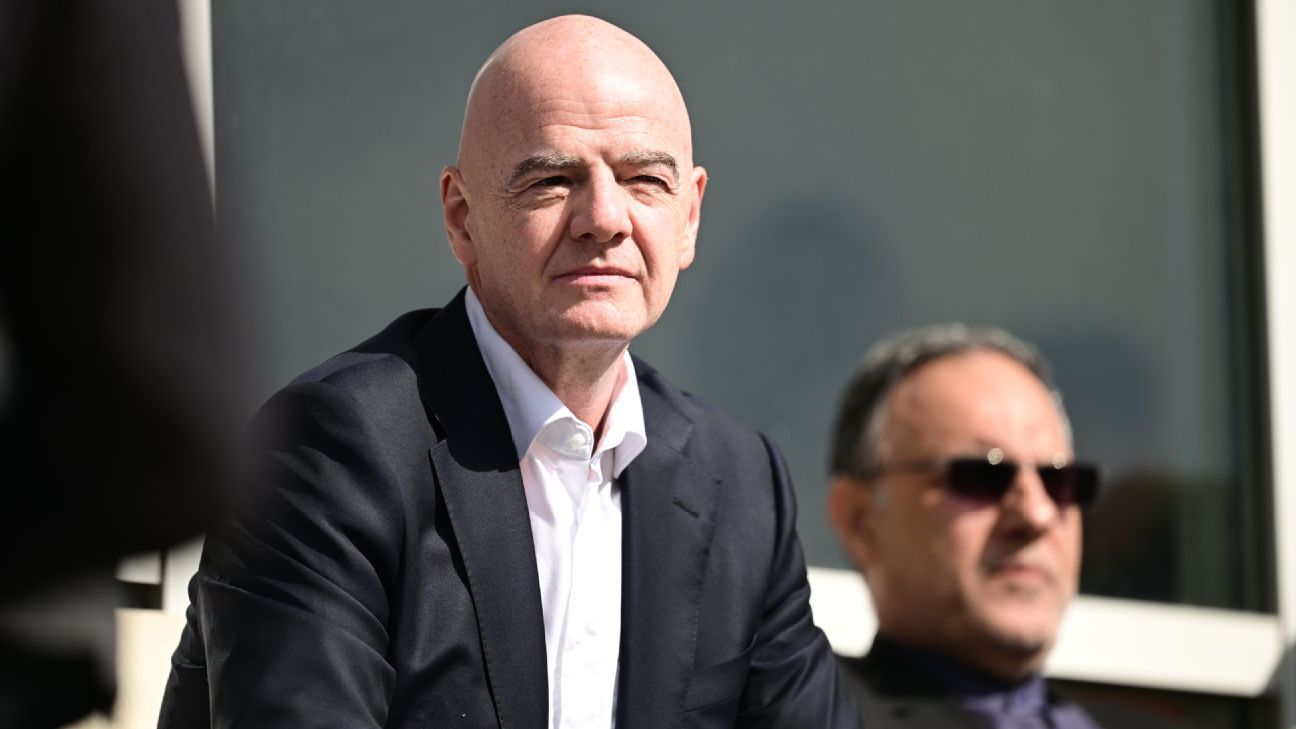
Canadian Prime Minister Mark Carney made waves on Wednesday when he publicly said he no longer has confidence in FIFA President Gianni Infantino. This is a big deal because Canada just helped host the 2026 World Cup alongside the United States and Mexico—and Carney even appeared at events with Infantino during the tournament.
IMPORTANT POINT
When a world leader says they’ve lost confidence in the head of a major global sports organization, it signals serious trouble. This isn’t just about soccer—it’s about governance, transparency, and trust.
Here’s what triggered the crisis:
| Group | Reaction |
|---|---|
| UEFA (55 European soccer nations) | Threatened to BOYCOTT the World Cup and all FIFA competitions |
| Concacaf (North/Central America & Caribbean) | Opposed the plan |
| Asian Football Confederation | Opposed the plan |
| British PM Andy Burnham | Called Infantino "the wrong man to lead" world soccer |
| Jordan Football Association | Accused Infantino of blackmail over unpaid Arab Cup prize money |
| Canadian PM Mark Carney | Said Infantino committed a *"fatal" governance failure and lost his confidence |
IMPORTANT POINT
UEFA’s boycott threat was the nuclear option. Without European teams, the World Cup would lose its biggest stars, broadcast revenue, and global credibility. That pressure forced Infantino to back down.
Despite the rebellion, Infantino still has some allies:
This isn’t just sports drama. It’s about:
| Key Takeaway | Details |
|---|---|
| Trigger | Infantino tried to sell World Cup stakes to private investors for $20B |
| Failure | He didn’t consult FIFA’s own leadership—called a "fatal governance error" |
| Backlash | UEFA threatened boycott; multiple confederations and world leaders condemned it |
| Result | Plan scrapped, but trust is shattered |
| What’s Next | FIFA election in March 2026; pressure mounting for new leadership |
He wanted to create a for-profit company valued at $20 billion to manage the World Cup, selling ownership stakes to private investors—including the Kushner family. This would have given outsiders financial control over the world’s biggest sporting event.
UEFA represents 55 European nations—including soccer powerhouses like Germany, France, Spain, England, and Italy. Without them, the World Cup loses its best teams, players, and TV money. They saw the plan as a hostile takeover of soccer by private money.
It means Infantino bypassed the rules and people meant to check his power. He didn’t ask FIFA’s COO, board, or advisers before announcing a massive financial deal. In any organization—especially a non-profit governing global soccer—that’s a fireable offense.
He survived the immediate vote by withdrawing the plan. But he’s now publicly opposed by leaders of major nations and confederations. The March 2026 election will be the real test.
This is a case study in global governance. FIFA controls a multi-billion-dollar asset (the World Cup) that belongs to the world’s people. When its leader tries to sell pieces of it to insiders without transparency, it affects public trust, public money, and the integrity of global institutions.
Final Thought: The World Cup is supposed to belong to everyone. When someone tries to put a "For Sale" sign on it—quietly, without asking the family—people notice. And now, even prime ministers are saying: "Not on my watch."