11
11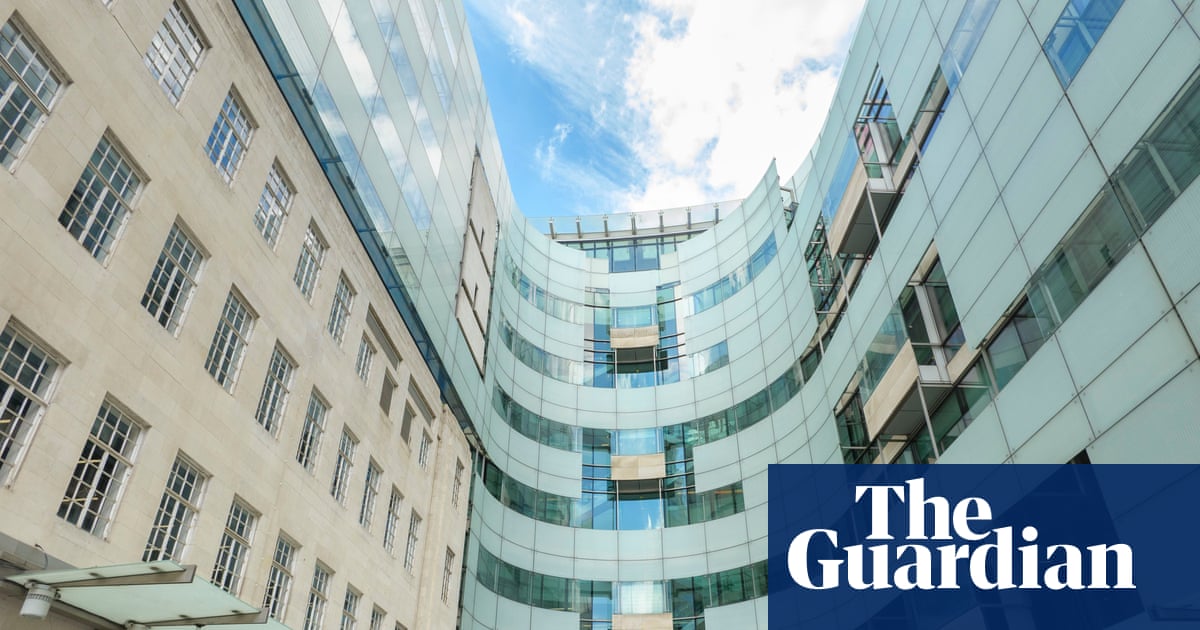
Donald Trump’s lawyers are making a last-minute attempt to block a court order. This order would force the former president to share his detailed financial records with the BBC (British Broadcasting Corporation).
Think of it like this: Imagine a judge told you to show your piggy bank to someone you’re arguing with, and right before the deadline, you ask the judge to press "pause."
In 2024, the BBC released a documentary called "Trump, A Second Chance."
Trump says this documentary:
Important Point: Trump recently claimed the BBC used AI (artificial intelligence) to fake his words. The BBC strongly denies this and says they never used AI to alter the footage.
In July 2026, a Miami-based judge ruled that:
On Wednesday, Trump’s legal team asked the court to:
Their argument: The BBC is asking for a "shockingly broad amount of information based on clearly political motivations."
This BBC case isn’t happening in isolation. It’s one of several legal battles Trump is fighting against news outlets:
| Media Outlet | What Happened |
|---|---|
| BBC | Suing over Jan 6 documentary edit; fighting financial records order |
| Wall Street Journal | $10 billion defamation suit over report about a 2003 letter to Jeffrey Epstein |
| New York Times | Justice Dept. issued subpoenas to reporters, then withdrew them after backlash |
Key Takeaway: This pattern shows Trump using the legal system to challenge critical media coverage.
Important Points to Remember
- The BBC apologized for the misleading edit in their documentary
- The BBC denies using AI to fabricate Trump’s words
- Trump’s financial records would expose hundreds of family businesses
- This is part of a pattern — multiple lawsuits against critical media outlets
- The judge’s deadline is August 6 — very soon!
Donald Trump is fighting a court order that would force him to share his private financial records with the BBC. This stems from a lawsuit over a 2024 documentary that misleadingly edited his January 6 speech. Trump’s lawyers are trying to pause the order at the last minute, claiming the BBC’s demands are politically motivated and too broad. Meanwhile, Trump is also pursuing lawsuits against the Wall Street Journal and had his Justice Department target New York Times reporters. The BBC stands by its reporting (aside from the editing error it already apologized for) and says Trump’s defamation claims have no merit.
A: In a defamation lawsuit, the person suing (Trump) must prove they suffered financial harm. The BBC needs to see his records to test if his business actually lost money because of the documentary.
A: Yes. The BBC apologized for the misleading edit that made it look like Trump directly urged the Capitol attack. However, they say this doesn’t equal defamation and the lawsuit has no merit.
A: It means the editors cut and pasted different sentences from Trump’s speech together, removing the original context. This created a false impression of what he said.
A: He can ask the judge to pause it (which his lawyers just did). But the judge decides — and the original deadline is August 6. It’s an "11th-hour" attempt, meaning very last minute.
A: This case tests press freedom vs. public figure rights. It also shows how powerful people use courts to fight media scrutiny. The outcome could affect how journalists investigate wealthy public figures in the future.