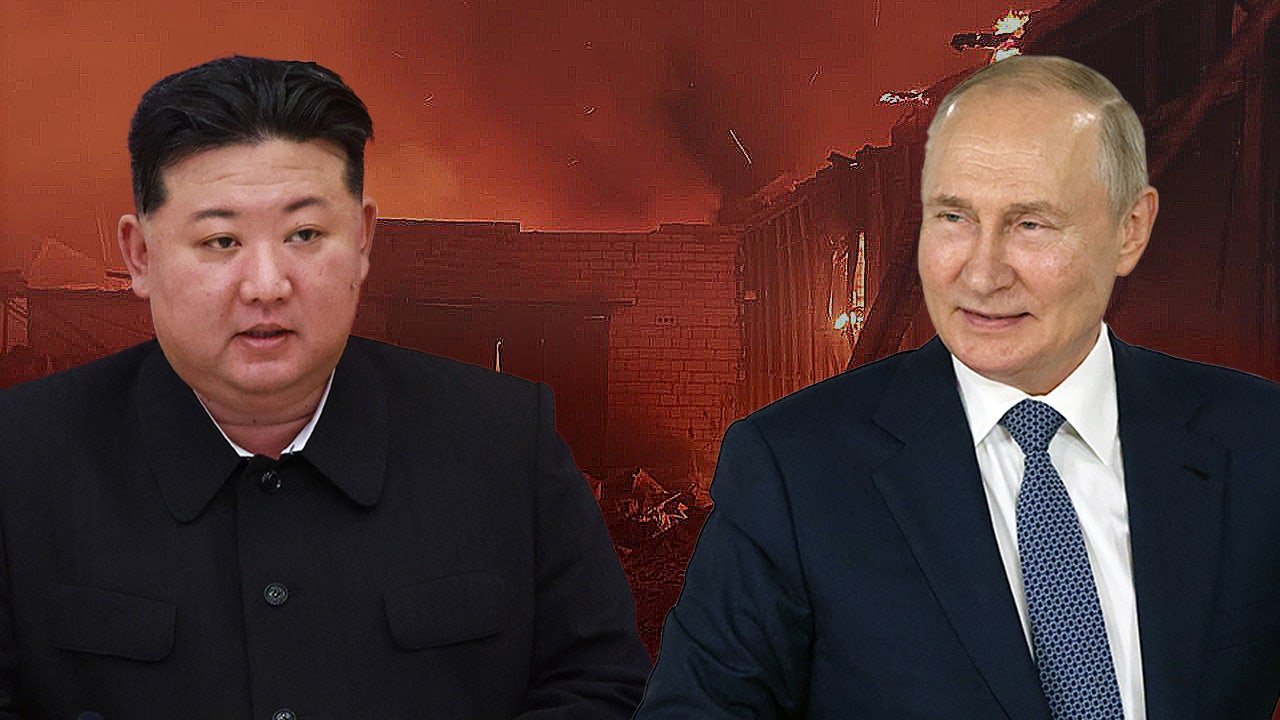
Russia Gets New Missile Help from North Korea: What You Need to Know
TL;DR: Russia is now using a North Korean missile unit — complete with 120 ballistic missiles, 6 launchers, and 90 North Korean soldiers — to attack Ukraine. This marks a major step up in military cooperation between the two countries.
What Just Happened?
According to Ukrainian intelligence (shared with Reuters), Russia has started deploying a full North Korean missile unit to help fight its war in Ukraine. Here’s the breakdown:
- 120 ballistic missiles (types: KN-23 and KN-24)
- 6 mobile launchers
- ~90 North Korean personnel to operate and support the system
- Stationed in Russia’s Voronezh region (western Russia, near Ukraine)
Important: This isn’t just a delivery — it’s a deployed unit with North Korean soldiers running it on Russian soil.
How Did We Get Here? (Step-by-Step)
- 2022: Russia invades Ukraine.
- Late 2023: North Korea starts sending artillery shells and ballistic missiles to Russia (~150 missiles so far).
- 2024: North Korea sends 14,000 troops to Russia’s Kursk region to help push back a Ukrainian cross-border attack.
- June 2025: Zelenskyy warns more North Korean troops are coming to Voronezh.
- Late July 2025: First confirmed use of North Korean ballistic missiles against Ukraine since August 2024.
- Early August 2025: Massive Russian attack on Kyiv — 24 ballistic missiles, 4 cruise missiles, 115 drones — 17 killed.
- August 5, 2025: Ukrainian intelligence confirms the new North Korean missile unit is now active in Voronezh.
- Next month: High-level talks expected to finalize deployment details.
Why Are Ballistic Missiles a Big Deal?
Think of it like this:
- Drones and cruise missiles = slow, low-flying, easier to shoot down.
- Ballistic missiles = fast, high-arcing, come down like a meteor. Much harder to stop.
- Ukraine needs advanced systems like the U.S.-made Patriot to intercept them.
- Russia is using more ballistic missiles on purpose to overwhelm Ukraine’s limited air defenses.
- The Institute for the Study of War (ISW) says this is a deliberate strategy to stretch Ukraine’s defenses thin.
The Russia–North Korea Alliance: By the Numbers
| What North Korea Gave Russia |
Details |
| Artillery shells |
Millions |
| Ballistic missiles (KN-23/KN-24) |
~150 since late 2023 (+40 new ones) |
| Troops to Kursk |
14,000 sent; ~9,500 still there (not in combat now) |
| Missile unit deployed |
120 missiles, 6 launchers, 90 personnel in Voronezh |
| Other gear |
Cannon & rocket artillery systems |
Key Insight: The Foundation for Defense of Democracies (FDD) calls this the "most consequential" partnership among U.S. adversaries — and the only one where a country sent troops into combat to help another.
What Does North Korea Get Out of This?
It’s not a one-way street. North Korea gains:
- Real combat data on how its missiles perform.
- Russian operational experience to improve future missile designs.
- Deeper military ties with a major power — boosting its global leverage.
What Ukraine Says It Needs
President Volodymyr Zelenskyy says:
"More lives could have been saved if Western allies had replenished Ukraine’s depleted air defense interceptors."
- Ukraine is running low on missiles for its Patriot and other defense systems.
- Without them, ballistic missiles get through — and people die.
Summary
- Russia has activated a North Korean missile unit in Voronezh: 120 missiles, 6 launchers, 90 NK personnel.
- This follows a deadly barrage on Kyiv (Aug 4) that killed 17.
- North Korea has become Russia’s most important military partner — sending missiles, shells, and troops.
- Russia is intentionally using more ballistic missiles because they’re harder to shoot down.
- Ukraine urgently needs more air defense interceptors from the West.
- North Korea is learning from real combat to make better missiles.
FAQ
1. What are KN-23 and KN-24 missiles?
They’re North Korean short-range ballistic missiles — similar to Russia’s Iskander. They fly fast, maneuver, and are hard to intercept. Think of them as "precision strike missiles" built to hit targets 300–500 km away.
2. Are North Korean soldiers fighting in Ukraine?
Not directly in Ukraine yet. About 9,500 are in Russia’s Kursk region (which Ukraine partly occupied in 2024). The new 90-person unit in Voronezh will operate missiles fired into Ukraine — so they’re participating in attacks, just from Russian soil.
3. Why can’t Ukraine just shoot them down?
Ballistic missiles come down at Mach 5+ (5x speed of sound). Only a few systems (like Patriot) can stop them. Ukraine has limited Patriots and limited interceptor missiles — and Russia is firing salvos to overwhelm them.
4. Is this legal under international law?
No. The UN bans North Korea from exporting ballistic missiles. Russia (a UN Security Council member) is violating sanctions it once supported by buying and using them.
5. What happens next?
- High-level Russia–NK talks next month may expand the deployment.
- Ukraine will keep pressing allies for more Patriots and interceptors.
- Expect more ballistic missile attacks — and more North Korean tech tested in real war.
Bottom Line: This isn’t just "more weapons." It’s a merged military operation — North Korean missiles, launchers, and soldiers firing from Russia into Ukraine. The war just got a new, dangerous player on the field.
 1
1