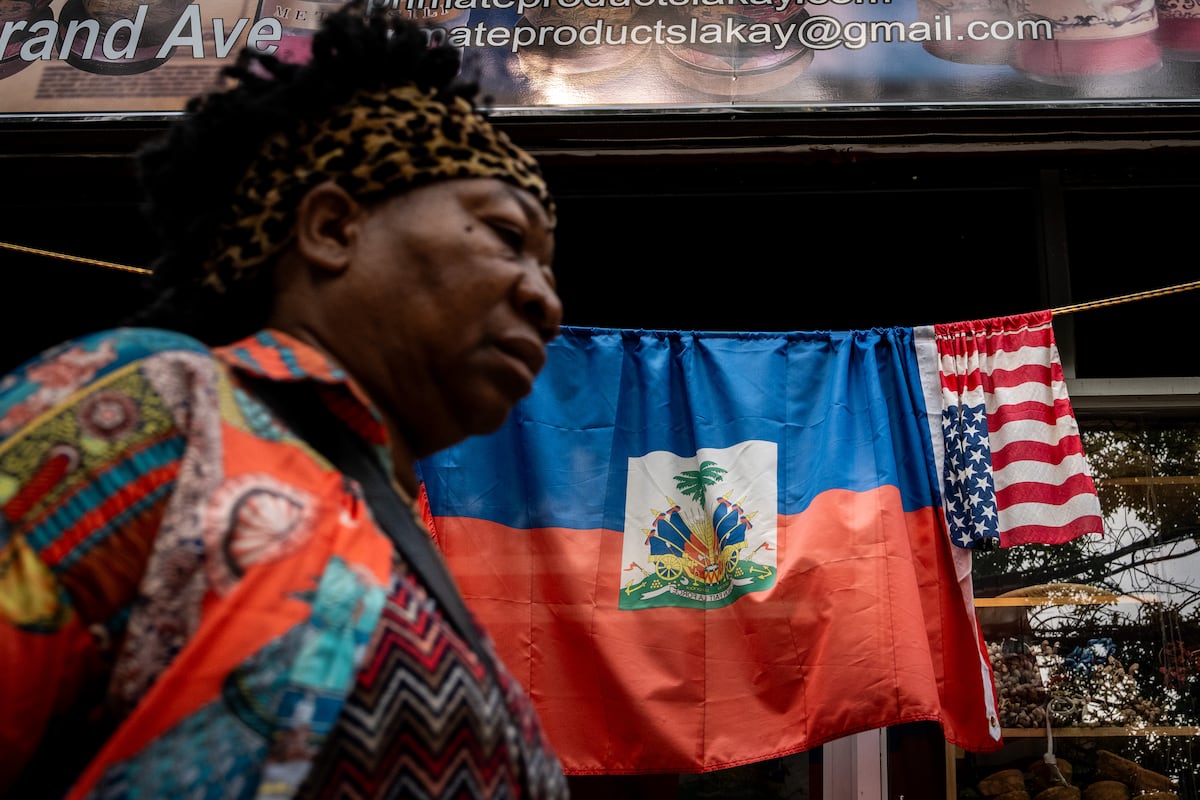
Haitians Lose Legal Protection in the US: What Happened and What It Means
The Big News: A Safety Net Is Gone
Imagine you built a life in a new country—you have a job, your kids go to school, and you follow the rules. For years, the government gave you a special permission slip to stay because your home country was too dangerous to return to. Now, that permission slip has been officially taken away.
On Wednesday, July 28, 2026, a federal judge lifted the final legal block protecting roughly 350,000 Haitian immigrants in the United States. This means their Temporary Protected Status (TPS) has officially ended. They are now at risk of deportation.
What Is TPS? (The "Permission Slip" Explained)
ELI5 Definition: Temporary Protected Status (TPS)
Think of TPS like a temporary "hall pass" given by the US government.
- Who gets it? People from countries hit by huge disasters (like earthquakes, hurricanes) or wars.
- What does it do? It lets them stay in the US legally, work legally, and not be deported for a set time.
- Key catch: It is temporary. It must be renewed by the government. It does not give a green card or citizenship.
Why Did Haitians Have It?
- 2010: A massive, devastating earthquake destroyed much of Haiti.
- The US Response: The government granted TPS so Haitians wouldn’t be sent back into a disaster zone.
- Renewals: Every administration (both Democrat and Republican) renewed it for years because Haiti kept facing crises (political chaos, gang violence, more natural disasters).
How Did We Get Here? (The Timeline)
This didn’t happen overnight. It was a legal back-and-forth like a tennis match.
- Trump Administration Decision: The government decided to end TPS for Haiti, arguing conditions had improved enough.
- Lawsuits Filed: Advocacy groups sued, saying it was unfair and unsafe to send people back.
- Judge Blocks It (February 2026): Federal Judge Ana C. Reyes said "Stop!" She blocked the termination while courts reviewed the case.
- Appeals Court Agrees: A higher court refused to lift the Judge’s block.
- Supreme Court Steps In (June 2026): The US Supreme Court ruled that lower courts (like Judge Reyes’) do not have the power to second-guess the government’s decision to end TPS.
- Judge Reverses Herself (July 28, 2026): Following the Supreme Court’s order, Judge Reyes officially lifted her own block.
- Status Expires: The TPS designation officially ended at midnight on July 27, 2026.
What Happens Right Now? (The Reality on the Ground)
IMPORTANT: This Is Happening Now
Activists and lawyers say this is "the largest revocation of legal status in recent US history." (Guerline Jozef, Haitian Bridge Alliance).
Protections are gone effective immediately.
New ICE Tactics Reported
Instead of big workplace raids, Immigration and Customs Enforcement (ICE) is reportedly using quieter strategies in Haitian communities:
- "Check-Ins": Ordering people to show up at ICE offices.
- Ankle Monitors: Putting electronic tracking devices on people during these visits.
- Pressure Tactics: Telling immigrants: "If you don’t ‘self-deport’ (leave on your own), we will call you back in a month" (often leading to detention).
- Real Examples: In Springfield, Ohio, at least 50 people were called in last week. Many left wearing ankle monitors; those who missed appointments were detained.
Critical Warning: "Self-Deportation" Is a Trap
LAWYER WARNING: Do Not Confuse "Self-Deportation" with "Voluntary Departure"
- Self-Deportation: You just buy a ticket and leave. It is NOT an official legal process. It does not protect you from being detained before you leave. It can hurt your chances of ever returning legally.
- Voluntary Departure: A formal agreement signed with a judge. It gives you a specific deadline and some legal protections.
- Advice: Talk to an immigration lawyer immediately before making any moves.
Summary: The Key Takeaways
- 350,000 Haitians just lost their legal right to live and work in the US.
- The Supreme Court ruled lower courts cannot stop the government from ending TPS.
- Protections ended July 27, 2026. Deportations can legally begin now.
- ICE is shifting tactics: Using office appointments and ankle monitors rather than mass raids.
- "Self-deportation" offers NO legal safety net. Seek legal counsel immediately.
FAQ: Your Questions Answered
1. Can Haitians with TPS apply for something else to stay?
Maybe, but it’s hard. Some might qualify for Asylum (if they fear persecution), Family Sponsorship (if they have a US citizen spouse/child over 21), or other visas. Deadlines are strict. They must consult a qualified immigration attorney immediately to screen for options.
2. Does this affect Haitians who arrived recently at the border?
This specific ruling affects the ~350,000 long-term residents who had TPS from the 2010/2011 designations. New arrivals or those paroled under different programs (like the CHNV parole process) have different legal situations, though the administration is targeting many protections broadly.
3. What happens if someone gets an ankle monitor?
An ankle monitor (ISAP/ATD) means they are in removal proceedings (deportation court). They are not "free." They must check in with ICE and attend court hearings. Missing a check-in or court date leads to an automatic deportation order.
4. Can Congress fix this?
Yes. Congress could pass a law creating a permanent path to residency for TPS holders (like the "American Dream and Promise Act"), but it has stalled in the Senate for years. It requires political pressure.
5. Where can people find free or cheap legal help?
- Non-profits: Haitian Bridge Alliance, NDLON (National Day Laborer Organizing Network), Catholic Charities, CLINIC network.
- Pro Bono: Many bar associations have referral lines.
- Warning: Avoid "Notarios" or unauthorized consultants. Only licensed attorneys or DOJ-accredited representatives can give legal advice.
 1
1