 11
11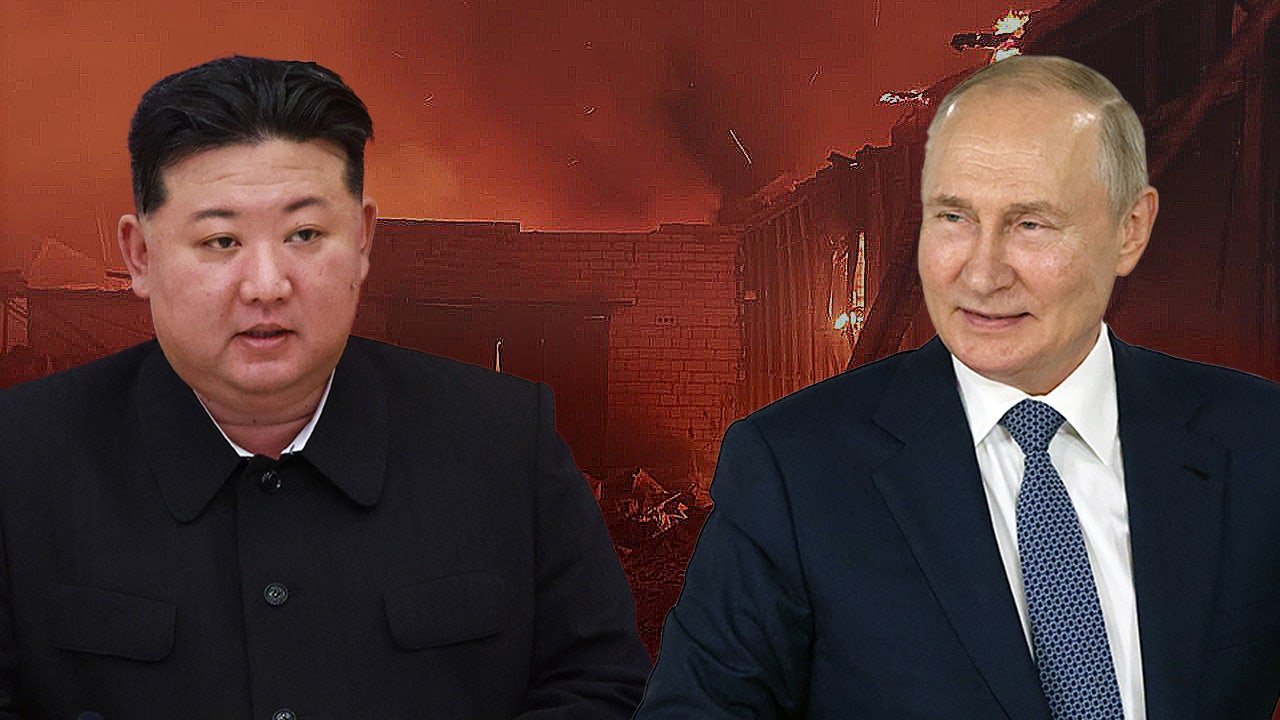
Imagine two friends who decide to help each other with a big project. Russia and North Korea are doing something similar, but instead of a school project, it’s a real war. Recent reports show that North Korea is sending missiles, launchers, and soldiers to help Russia fight against Ukraine.
Important Point: This isn’t just about sending supplies anymore—North Korea is now sending actual military units with their own missiles and operators to fight alongside Russian forces.
| What’s Being Sent | How Many |
|---|---|
| Ballistic missiles | Up to 120 |
| Missile launchers | 6 |
| North Korean personnel | ~90 soldiers |
| Recent missile delivery | 40 KN-23 and KN-24 missiles |
| Total missiles since 2023 | ~150 missiles |
Voronezh region in western Russia. This is where the new North Korean missile unit will be set up. Think of it like a military base where the North Korean team will operate their own equipment to fire at targets in Ukraine.
Military experts say Russia is deliberately using more ballistic missiles because:
August 4, 2026 – Russia launched a massive attack on Kyiv:
Ukrainian President Zelenskyy said more lives could have been saved if Western countries had provided more air defense missiles (interceptors) sooner.
This missile unit is just the latest step in a growing alliance:
Important Point: According to the Foundation for Defense of Democracies, this is the only partnership where one country has sent actual combat troops to help another fight a war. That makes it extremely significant.
A: These are North Korean short-range ballistic missiles. Think of them like very fast, accurate flying bombs that follow a curved path (like a baseball thrown really hard). They’re designed to hit targets a few hundred kilometers away and are difficult to intercept without advanced systems like the Patriot.
A: Imagine trying to catch 24 fastballs thrown at you at once, but you only have 10 baseball gloves. Ballistic missiles travel at several times the speed of sound and require very specific, expensive interceptors. Ukraine has limited numbers of these special defenses (like Patriot systems), so they must choose which incoming missiles to try to stop.
A: Yes! 14,000 North Korean troops were sent to Russia’s Kursk region in 2024 to help push back a Ukrainian offensive. About 9,500 remain there but aren’t currently in active combat. This new missile unit is different—it’s a dedicated missile force with their own equipment operating from Voronezh.
A: Real-world testing data. When you build a missile, you test it on a range. But actual combat tells you: Does it work in bad weather? Can operators fire it under stress? How accurate is it really? This data helps North Korea make better missiles for their own defense.
A: Many experts worry yes. When countries start sharing troops and advanced weapons in active conflicts, it creates deeper commitments. The Russia-North Korea partnership is now described as "one of the most consequential" military alliances globally, which could draw in other nations or encourage similar partnerships elsewhere.


