11
11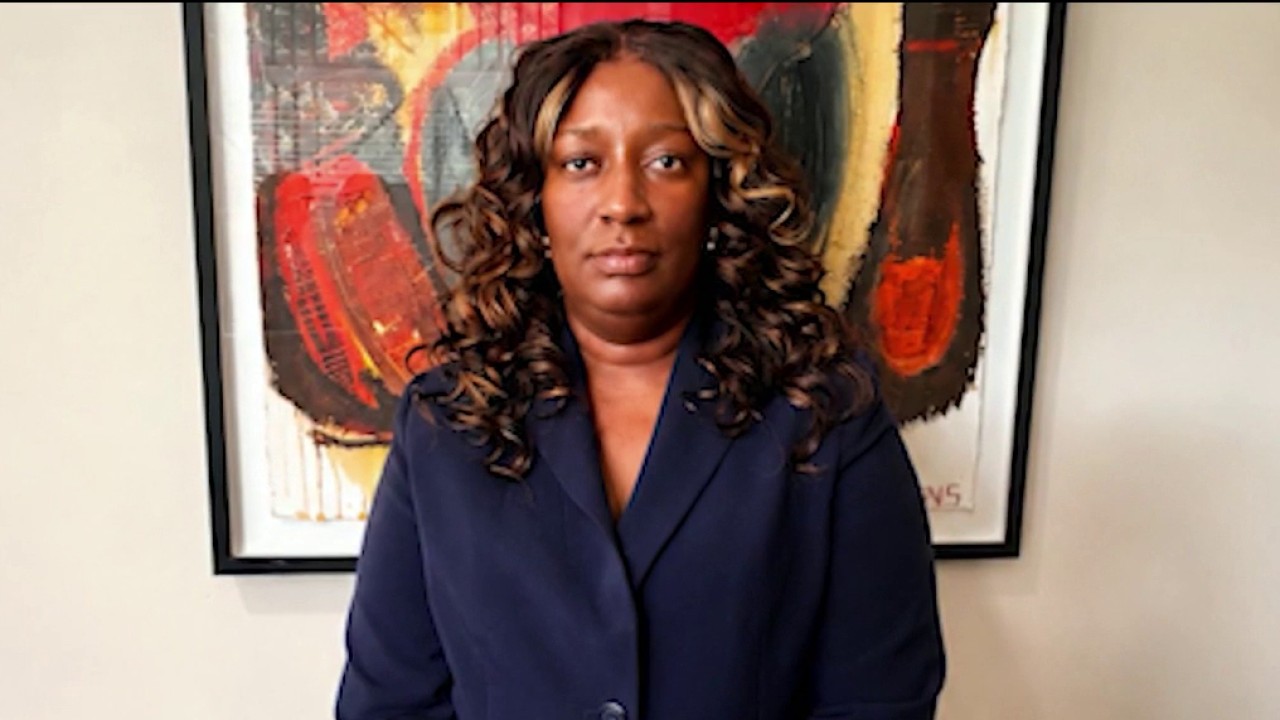
Imagine going to the doctor for a common health issue, being told you have aggressive cancer, having major surgery to remove your reproductive organs, and then finding out months later that you never had cancer at all. The cancer actually belonged to another patient whose sample got mixed up with yours.
That’s exactly what happened to Cassandra Barksdale, a 43-year-old woman from Fulton County, Georgia.
| Date | What Happened |
|---|---|
| Early 2025 | Cassandra visits Kaiser Permanente Southwood Medical Center in Jonesboro for uterine fibroids and bleeding |
| March 10, 2025 | Biopsy performed → Lab incorrectly diagnoses aggressive endometrial uterine cancer |
| May 15, 2025 | Cassandra undergoes total hysterectomy at Northside Hospital (cervix, uterus, fallopian tubes, ovaries, and 4 lymph nodes removed) |
| May 2025 | Post-surgery lab reports show NO cancer — but nobody tells her |
| July 2025 | Kaiser staff tells her she still has cancer and to "await further instructions" |
| September 23, 2025 | Kaiser administrators admit: DNA testing proves the cancer tissue belonged to someone else |
| December 2025 | Quest Diagnostics formally notifies her to disregard the original biopsy results |
Cassandra filed a personal injury lawsuit in the State Court of Clayton County against:
Important Point
The lawsuit alleges chain-of-custody failures and negligence — meaning the hospital didn’t properly track and label the tissue sample, leading to a catastrophic mix-up.
Her legal team: Atlanta attorneys Roderick Edmond (M.D., J.D.), Shannan Young (Pharm.D., J.D.), and Clark Edmond of The Edmond Firm.
What she’s asking for: A jury trial and compensatory damages over $10,000 plus legal fees.
At a press conference, Cassandra shared the devastating emotional toll:
Important Point
Two lives were derailed by one labeling error — Cassandra lost her organs and suffered months of terror, while another patient unknowingly lived with aggressive cancer for seven months.
"For almost four months, Mrs. Barksdale waited in fear and anguish for her next instructions about her supposed ‘cancer’ treatment."
— The Edmond Firm"The trauma she sustained is solely because the hospital failed at one of the most fundamental responsibilities in medicine: correct patient identification."
— The Edmond Firm
Her attorney called the situation "bizarre" — saying modern technology should make these mistakes almost impossible.
In a statement, Kaiser acknowledged the severity:
"Our most important responsibility is to safely, expertly and compassionately care for the people who entrust us with their health. If we make a mistake, it can have profound effects."
"Ms. Barksdale should not have experienced this. We have highly trained staff and very thorough processes in place to prevent errors like this from taking place. After this occurred last year, we took immediate steps to ensure it could not happen again."
"We realize the impact of this incident, and are working with Ms. Barksdale and her counsel to resolve this in the most fair and accountable way we can."
This case highlights critical safety gaps in medical testing:
A: This usually happens due to labeling errors — like putting the wrong name sticker on a sample container, scanning the wrong barcode, or data entry mistakes in the lab tracking system. The lawsuit calls this a "chain-of-custody failure."
A: That’s one of the most disturbing parts. The lawsuit says May 2025 lab reports showed no malignancy, but in July, staff still told her she had cancer. This suggests a serious communication breakdown between the lab, doctors, and patient.
A: According to the lawsuit, that patient was living unaware with advanced, aggressive cancer for about seven months — thinking they only had fibroids. This delay in diagnosis could significantly worsen their prognosis.
A: No. A total hysterectomy removes the uterus, cervix, fallopian tubes, and ovaries. This means permanent infertility and surgical menopause (since ovaries produce hormones). At 43, this is a life-altering loss.
A: Kaiser says they took "immediate steps" after the incident to prevent recurrence. However, the lawsuit will likely examine whether those fixes are adequate and whether systemic issues remain.
Source: Information gathered from court documents filed in the State Court of Clayton County, a press release from The Edmond Firm, and a press conference with Cassandra Barksdale and her attorneys. Reported by FOX 5 Atlanta.