11
11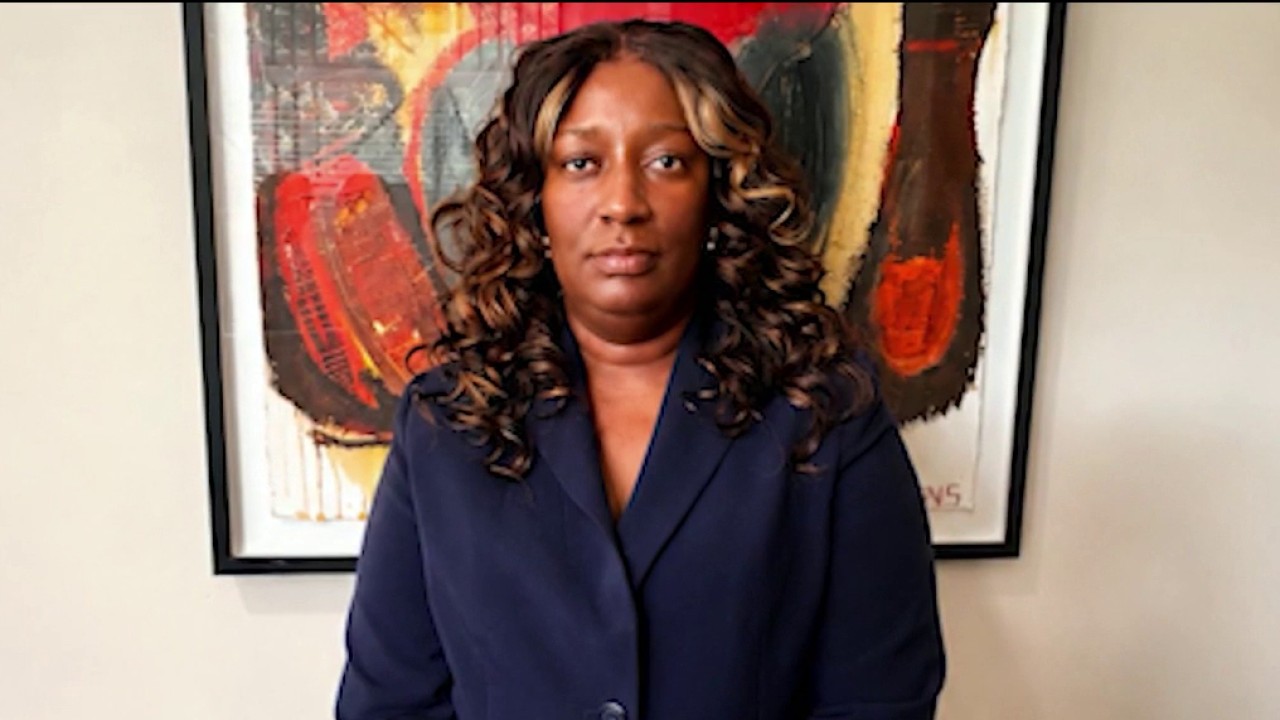
Imagine going to the doctor for a routine issue, being told you have aggressive cancer, having major surgery to remove your reproductive organs, and then finding out months later—it was all a mistake. The cancer belonged to someone else.
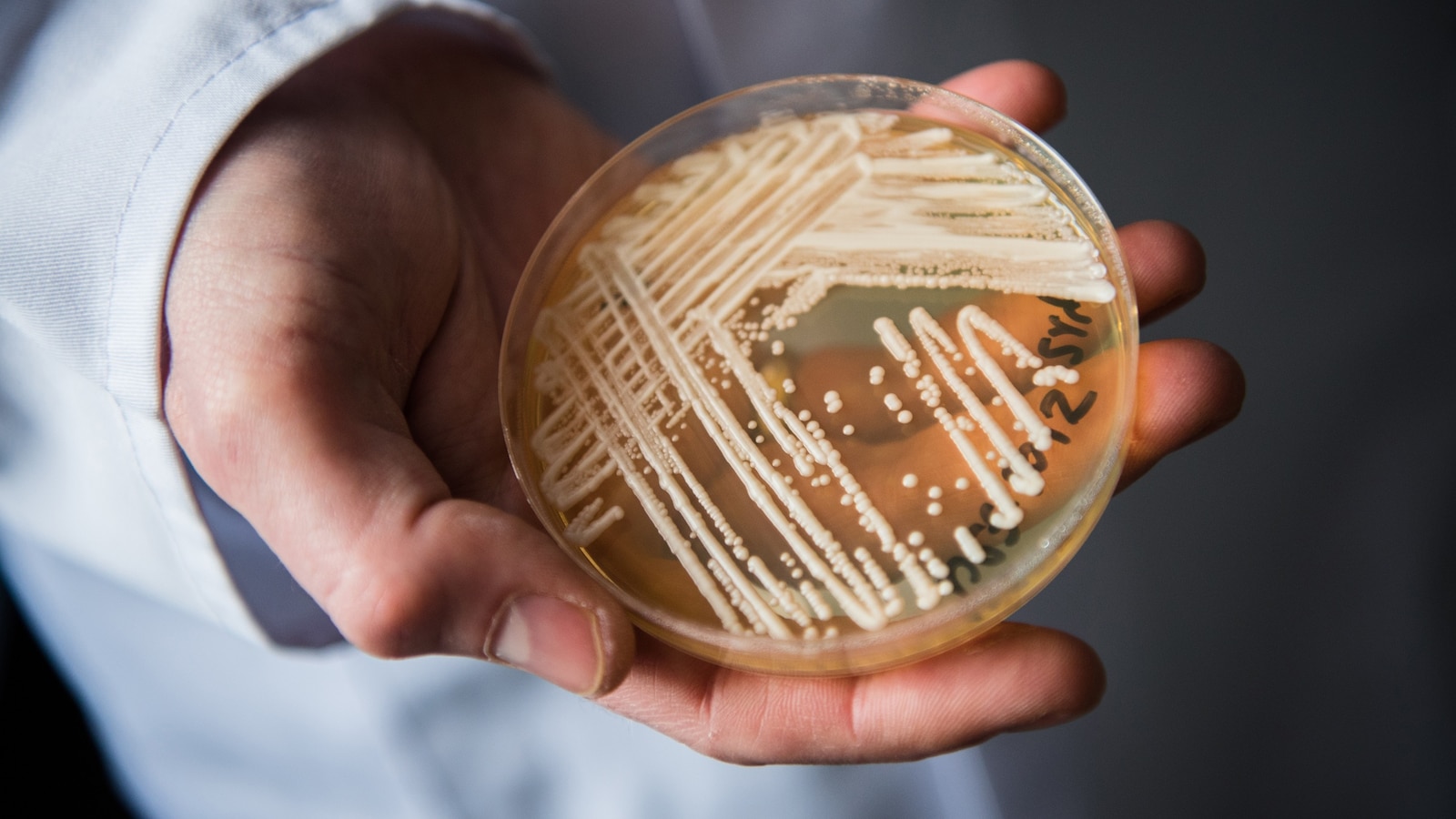
Cassandra Barksdale, a 43-year-old woman from Fulton County, Georgia, went to Kaiser Permanente for help with uterine fibroids and bleeding. A biopsy (a small tissue sample taken for testing) was mislabeled—it got mixed up with another patient’s sample. Because of this mix-up:
| Date | What Happened |
|---|---|
| Early 2025 | Barksdale visits Kaiser Permanente Southwood Comprehensive Medical Center in Jonesboro for fibroids and bleeding |
| March 10, 2025 | Biopsy performed → Incorrect diagnosis: aggressive endometrial uterine cancer |
| May 15, 2025 | Total hysterectomy at Northside Hospital (removal of cervix, uterus, fallopian tubes, ovaries, 4 lymph nodes) |
| May 2025 | Post-surgery lab reports show no malignancy (no cancer in her removed organs) |
| July 2025 | Hospital staff tells her she still has cancer and to wait for further instructions |
| September 23, 2025 | Kaiser administrators admit: DNA testing proves the cancerous tissue belonged to another patient |
| December 2025 | Quest Diagnostics formally notifies her to disregard the initial biopsy results |
State Court of Clayton County, Georgia (filed Tuesday, per court documents)
From Cassandra Barksdale’s press conference:
| Emotion | What She Said |
|---|---|
| Fear | "I had to contact my kids to let them know that I have five years to live, and I’m going to die because I have aggressive cancer." |
| Family trauma | "My sons went into a deep depression. It took a big hold over my family." |
| Relief + Anger | "I was excited that I didn’t have cancer. But I was still upset because the person out there that got my tissue… they’re walking around for seven months thinking they only have fibroids." |
| Mental health | She felt suicidal at times and has undergone mental health counseling. |
| Purpose | "I want accountability and I also want what happened to me; I don’t want it to happen to no one else." |
"For almost four months, Mrs. Barksdale waited in fear and anguish for her next instructions about her supposed ‘cancer’ treatment. The trauma she sustained is solely because the hospital failed at one of the most fundamental responsibilities in medicine: correct patient identification."
Official Statement:
- "Our most important responsibility is to safely, expertly and compassionately care for the people who entrust us with their health."
- "Ms. Barksdale should not have experienced this."
- They acknowledge having "highly trained staff and very thorough processes" to prevent such errors.
- "After this occurred last year, we took immediate steps to ensure it could not happen again."
- They are "working with Ms. Barksdale and her counsel to resolve this in the most fair and accountable way we can."
[!IMPORTANT]
- A biopsy sample was mislabeled, causing a false cancer diagnosis.
- Major, irreversible surgery (hysterectomy) was performed unnecessarily.
- The real cancer patient remained undiagnosed for months.
- The error was caught via DNA testing—but only after the surgery.
- Systemic failure in chain-of-custody and patient identification.
- Barksdale seeks accountability and systemic change, not just money.
Cassandra Barksdale’s life was turned upside down by a preventable laboratory error. A mislabeled biopsy led to a false aggressive cancer diagnosis, unnecessary major surgery, and months of psychological torment—not just for her, but for her entire family. Meanwhile, another patient unknowingly lived with real cancer. Kaiser Permanente admits the mistake and says they’ve fixed their processes, but Barksdale and her legal team are pushing for full accountability through a lawsuit. This case highlights how one small labeling error can cause life-altering consequences—and why patient identification must be flawless.
It usually happens during labeling, transport, or data entry. If a tube isn’t labeled at the bedside, or if two samples are processed at once and swapped, the wrong name gets attached to the wrong tissue. DNA testing later revealed the mix-up.
It’s surgery to remove the uterus, cervix, fallopian tubes, and ovaries. It causes instant menopause, infertility, and long-term hormonal changes. It’s irreversible—and in this case, medically unnecessary.
The lawsuit says that patient walked around for ~7 months thinking they only had fibroids, while advanced aggressive cancer went untreated. Their current status isn’t publicly known.
In Georgia, "over $10,000" is the minimum threshold to request a jury trial in state court. The actual damages sought (medical bills, pain, suffering, lost wages, future care) will be much higher and decided by a jury.
Yes. Sample mislabeling is a known risk in healthcare. But modern tech (barcode scanning, bedside labeling, DNA verification) makes it highly preventable. This case is considered rare and "bizarre" by experts—precisely because safeguards should have caught it.
Source: Court documents filed in the State Court of Clayton County; press conference by Cassandra Barksdale and The Edmond Firm; statement from Kaiser Permanente. Reporting by FOX 5 Atlanta (WAGA).

,autocrop(1200:630) "Mundialistas à Vista! O Onze Bomba do Benfica contra o Hearts")