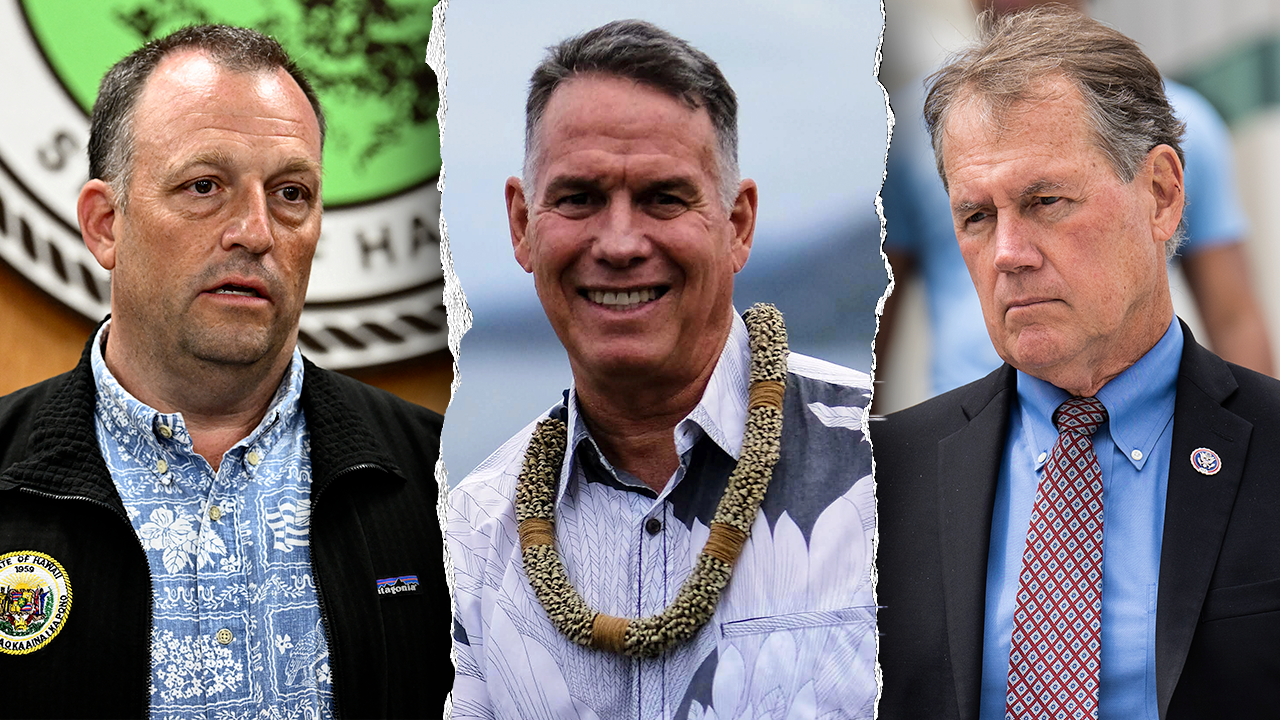
Hawaii Gov. Green vs. 3 Unknowns: The Ultimate Mismatch?
Hawaii Primary Elections 2026: What You Need to Know About Saturday’s Big Votes
Quick Summary: On Saturday, Hawaii voters headed to the polls to pick candidates for the November general election. The main races? Governor and the state’s 1st Congressional District seat. Here’s the simple breakdown of who’s running and what it means.
What Happened on Saturday?
Hawaii held its primary elections on Saturday. Think of a primary like a "pre-game" — voters from each political party choose their favorite candidate to represent them in the real election this November.
Two big races were on the ballot:
- Governor of Hawaii
- U.S. House Seat for Hawaii’s 1st Congressional District (urban Honolulu)
Race #1: Governor of Hawaii
The Democratic Side — Gov. Josh Green Is the Clear Favorite
Josh Green has been governor since 2022. He’s running for a second term and is heavily favored to win the Democratic primary.
| Candidate | Background | Key Details |
|---|---|---|
| Josh Green (Incumbent) | Current governor, former lieutenant governor & doctor | Raised $3.5 million, 56% approval rating |
| George "Teva" Lucas-Tadeo | Democratic socialist | Wants government-run grocery store & legal weed; no campaign website, $0 raised |
| David "Duke" Bourgoin | Perennial candidate | Lost to Green in 2022 (590 vs. 158,161 votes); also lost Honolulu mayor races |
| Lauren Kapoliahiʻlaka Shim | CEO of Aloha AI Incorporated | No campaign website, $0 raised |
Important: Green’s three challengers combined raised zero dollars as of June 30. Green out-raised the entire Republican field by over 10-to-1.
The Republican Side — Two Candidates Battling for a Shot at Green
Republicans haven’t held the governor’s office since Linda Lingle (2002–2010). Two men want to change that:
1. Gary Cordery — Business Owner & Top GOP Fundraiser
- Owns Kingdom Builders (contracting company)
- Raised ~$313,000 (2nd highest overall)
- Platform:
- Lower Hawaii’s high cost of living
- Build 15,000 homes for working families
- Use state-owned land for housing
- Eliminate state tax on food & medicine
- Crack down on government waste & corruption
2. Ken Fujiyama — Entrepreneur & Investor
- Platform:
- Develop 100,000 residential lots to fix housing crisis
- Partner with large landowners to spur growth
Reality Check: Whoever wins the Republican primary faces a steep uphill battle. The Cook Political Report rates this race "Likely Democrat" with a 13-point Democratic advantage.
Race #2: Hawaii’s 1st Congressional District (Urban Honolulu)
This is the race political watchers nationwide are paying attention to.
The Incumbent: Rep. Ed Case (Democrat)
- Seeking 7th term in Congress
- Served since 2019 (also served 2002–2007)
- Sits on the powerful House Appropriations Committee — controls federal spending
- Argument: "My seniority gives Hawaii more clout in Washington."
The Challenger: State Sen. Jarrett Keohokalole (Democrat)
- Progressive candidate
- Endorsed by Bernie Sanders’ group "Our Revolution"
- Platform:
- Medicare-for-All
- Oppose ICE (Immigration and Customs Enforcement)
- Oppose Trump’s tariffs
- Attack on Case: Voted with Republicans to pass the SAVE America Act (requires proof of citizenship to register to vote)
Why This Matters: This district leans strongly Democratic. Whoever wins the primary will almost certainly win in November. It’s a fight for the soul of the party — establishment vs. progressive.
By the Numbers: Money Talks
| Race | Candidate | Party | Money Raised (as of June 30) |
|---|---|---|---|
| Governor | Josh Green | Democrat | $3,500,000 |
| Governor | Gary Cordery | Republican | $313,000 |
| Governor | Ken Fujiyama | Republican | Not specified |
| Governor | Three other Dems | Democrat | $0 combined |
What Happens Next?
- Primary winners declared → Each party has its nominee
- General election campaign → Nominees face off (Nov. 3, 2026)
- Voters decide → New governor & congressperson take office in 2027
FAQ: Your Questions Answered
| Question | Simple Answer |
|---|---|
| What’s a primary election? | A party’s internal vote to pick their candidate for the general election. Only registered party members usually vote. |
| Why does Josh Green have such a big money advantage? | Incumbents (current officeholders) usually raise more — donors bet on winners. His challengers are unknown with no fundraising. |
| Can a Republican actually win the governor’s race? | It’s very hard. Hawaii hasn’t had a GOP governor since 2010. Green has a 56% approval rating and a 13-point party advantage. |
| Why is the Case vs. Keohokalole race getting national attention? | It’s a proxy war between establishment Democrats (Case) and the progressive wing (Keohokalole/Sanders). The winner goes to Congress. |
| What’s the SAVE America Act mentioned in the article? | A bill requiring documentary proof of citizenship (like a passport or birth certificate) to register to vote in federal elections. Case voted for it; Keohokalole opposes it. |
Summary: Key Takeaways
Governor Race: Josh Green (Dem) is the overwhelming favorite. Republicans Cordery & Fujiyama fight for a long-shot November run.
Congress Race: Ed Case (establishment) vs. Jarrett Keohokalole (progressive) — a battle for the Democratic Party’s direction in Hawaii.
Money Matters: Green raised $3.5M vs. $0 for his three Dem challengers. Cordery leads GOP with $313K.
November Outlook: Democrats heavily favored in both races, but the 1st District primary decides which kind of Democrat goes to DC.
Article based on Fox News reporting by Elaine Mallon. Primary election held Saturday; results determine November ballot.