 11
11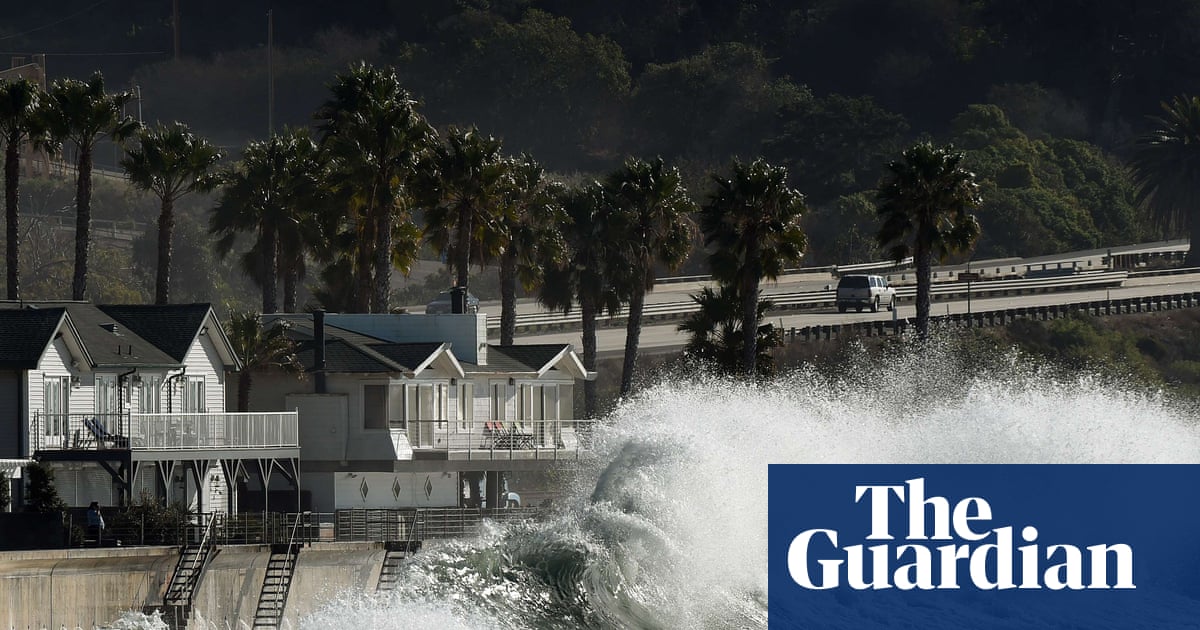
Imagine the Pacific Ocean is like a giant bathtub. Normally, strong winds push the warm water toward Asia. But every few years, those winds relax or reverse. The warm water sloshes back toward the Americas. That is El Niño.
This year, scientists say we are getting a "Super" El Niño—one of the strongest ever recorded. Here is what you need to know, without the confusing jargon.
Important Point: El Niño is a natural climate cycle. It happens every 2–7 years. But this one is unusually strong, and a hotter planet makes its impacts worse.
Callout: "El Niño never guarantees a specific outcome," says UCLA climate scientist Daniel Swain. "But a super El Niño loads the dice for a very wet, hazardous winter."
Scientists see a hidden opportunity. Mark Merrifield (Scripps Institution of Oceanography) puts it perfectly:
"This Super El Niño gives us a temporary preview of future sea-level rise. It shows us exactly where our roads, homes, and infrastructure will flood permanently in 20–30 years."
Think of it as a fire drill for climate change. It reveals:
| Topic | Key Takeaway |
|---|---|
| What is it? | A natural warming of the Pacific Ocean; this one is historically strong ("Super"). |
| When? | Peaking Winter 2026, ending Spring 2027. |
| Biggest Threat | Coastal flooding & erosion (West Coast), Tornadoes & flash floods (Gulf/Southeast). |
| Drought Relief? | Unlikely. Needed rain volume would cause disasters. |
| Why it Matters | It’s a real-world simulation of future sea-level rise—a chance to fix vulnerabilities now. |
No. It is a natural cycle that has happened for thousands of years. However, climate change acts like a steroid—it makes the ocean hotter to begin with, so El Niño’s impacts (heat, rain, sea level) are amplified.
Not at all. It means the odds favor a wetter-than-average season. You can still have dry weeks. But when storms do hit, they carry more moisture and hit harder.
Not necessarily. While the core wet signal hits the coast, the atmospheric river storms that hit California often move inland, causing flash flooding in deserts and heavy snow in the Rockies (which does help the Colorado River long-term).
King Tides are the highest high tides of the year, caused by the alignment of the sun, moon, and earth. During a Super El Niño, higher sea levels + King Tides + big storm waves = guaranteed coastal flooding even without rain.
No. Panic freezes action. Prepare instead. This is a forecast, not a fate. Communities that plan early (sandbags, drainage fixes, evacuation drills) fare dramatically better than those that wait.
Stay informed. Check your local National Weather Service office (weather.gov) for watches and warnings all winter. A prepared neighbor is a resilient community.