 11
11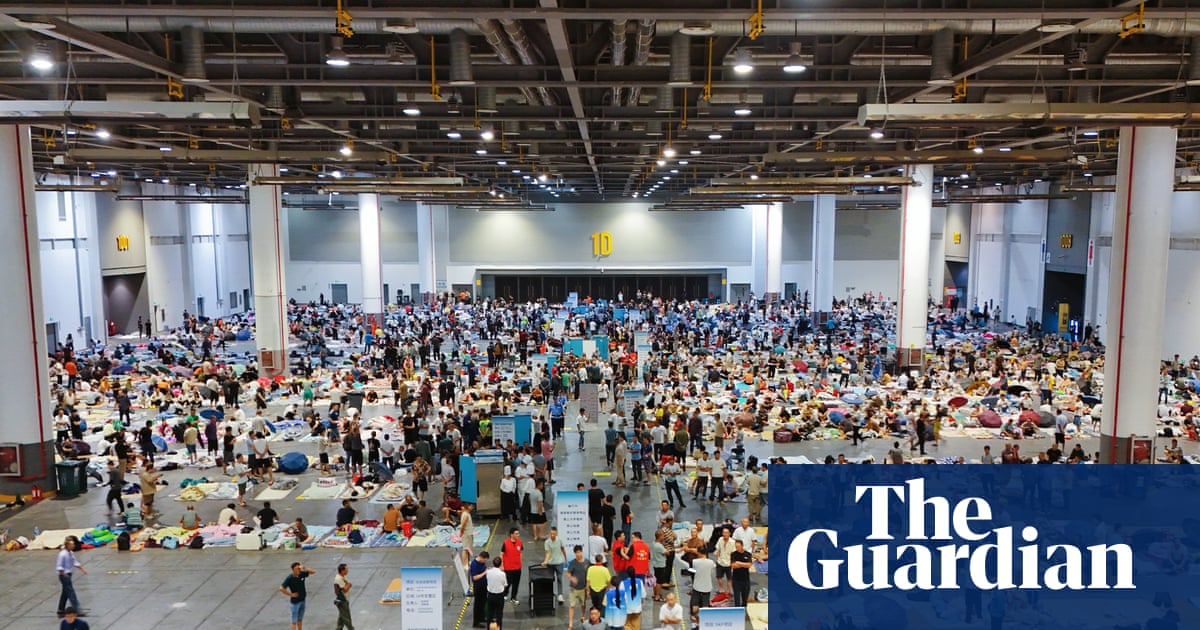
Imagine a giant, spinning storm the size of a whole country. That’s a typhoon (the same thing as a hurricane, just in a different ocean). Typhoon Dolphin slammed into eastern China on Sunday, bringing terrifying winds and unbelievable amounts of rain. It was the strongest storm to hit China this year.
To keep people safe, the government moved more than one million people out of danger zones and into emergency shelters before the storm hit.
The typhoon affected a huge area across several provinces and major cities:
The wind was scary, but the water was the real danger.
| Location | Rainfall (24 Hours) | Context |
|---|---|---|
| Central Shanghai | 313 mm (12.3 inches) | Highest in 150+ years of record-keeping. |
| Another Shanghai Station | Nearly 400 mm (15.7 inches) | Extreme flooding in city center. |
| Zhejiang Province (Average) | 173 mm | More rain than previous major typhoons (Lekima & Bavi). |
Social Media Moment: The hashtag #ShanghaiTurnsIntoTheSea went viral on Weibo (China’s version of Twitter/X). Videos showed streets turned into rivers around famous landmarks like the historic Wukang Mansion.
Even though Dolphin weakened to a tropical storm by Monday morning, the threat continues.
[!IMPORTANT]
ORANGE ALERT ACTIVE
Authorities have kept the second-highest warning level for heavy rain.
- Forecast: 200–400 mm (7.9–15.7 inches) more rain expected through Wednesday.
- Risk: Widespread flooding and landslides across eastern and central China.
- Areas Affected: Shandong, Henan, Hubei, Anhui, Jiangsu, Zhejiang, and Shanghai.
- Advice: Stay indoors during heavy downpours.
The storm basically pressed "pause" on travel across the region:
While eastern China drowned, Hong Kong baked.
Typhoon Dolphin’s massive circulation pulled hot air down over the city.
The storm’s reach went far beyond mainland China:
Nothing but location! They are the exact same weather phenomenon: a giant rotating storm system. We call them hurricanes in the Atlantic/Northeast Pacific, typhoons in the Northwest Pacific (where China is), and cyclones in the South Pacific/Indian Ocean.
Typhoons are huge — often hundreds of kilometers wide. The center (eye) hit south of Shanghai, but the storm’s massive "arms" (rain bands) stretched far north, dumping historic rain on the city for hours. Think of a sprinkler spinning: the center is the motor, but the water flies out far beyond it.
China uses a four-color warning system (Blue → Yellow → Orange → Red). Orange is the second-highest. It means "Severe" — hazardous weather is happening or imminent. Authorities must take emergency measures; people should stop outdoor activities and prepare for disruption.
Two main ways:
Check official advisories first. While the typhoon has weakened, flooding, landslides, and transport cancellations are ongoing through Wednesday. Many roads may be impassable, and trains/flights are disrupted. If you have non-essential travel planned, delay it.
Stay safe, stay informed, and listen to local authorities!