 11
11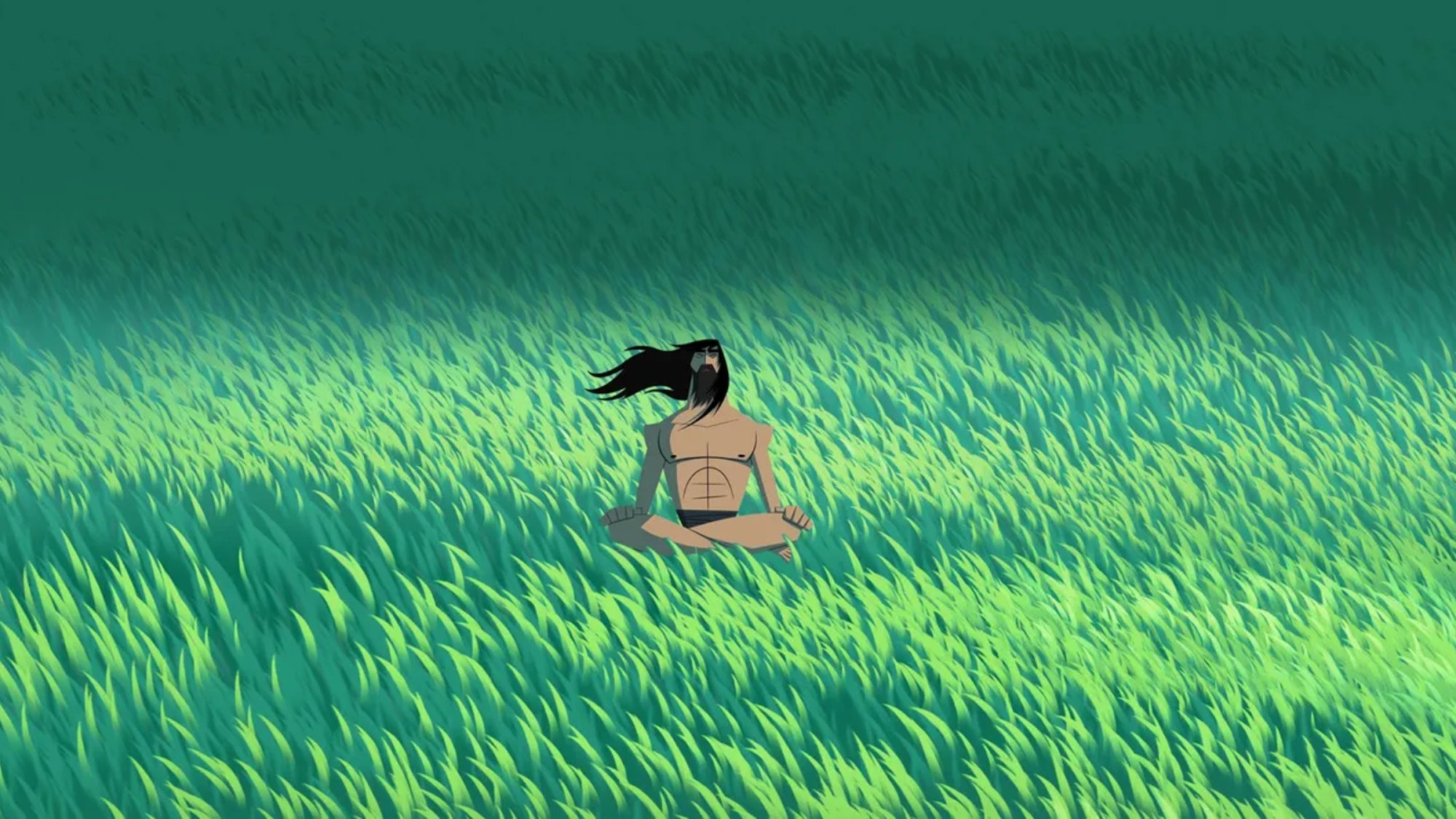
TL;DR: Samurai Jack started as a bold, nearly wordless action cartoon in 2001. It became a masterpiece, got cancelled before finishing its story, and came back 13 years later on Adult Swim with a perfect, mature ending that grew up alongside its fans.
Back in the late 1990s and early 2000s, Cartoon Network was the place to be for animation. Shows like Dexter’s Laboratory and The Powerpuff Girls ruled the airwaves. They were funny, colorful, and a little edgier than what you’d see on Disney or Nickelodeon.
One man had a huge hand in those hits: Genndy Tartakovsky. He created Dexter’s Laboratory and directed the first three seasons of The Powerpuff Girls. But after those successes, he wanted to do something completely different.
Tartakovsky pitched a show inspired by the old TV series Kung Fu. His idea?
Cartoon Network knew it was risky. But they said yes – and greenlit 26 episodes.
Important Point: Samurai Jack wasn’t just another cartoon. It was an experiment in visual storytelling that trusted kids to follow a story without constant exposition.
Samurai Jack: The Premiere Movie aired as a three-part, feature-length event. It set up the entire series in one go – a story so good they put it in the theme song for every future episode.
| Detail | Info |
|---|---|
| First Episode | August 10, 2001 |
| Last Episode (Original) | September 25, 2004 |
| Seasons | 4 |
| Total Episodes | 52 |
| Network | Cartoon Network |
The show was critically acclaimed – winning Emmys, Annies, and praise for its art direction, music, and bold storytelling. But Tartakovsky refused to rush an ending. He wanted the finale to matter. So the show ended open-ended – Jack still stuck in the future.
For over a decade, fans wondered: Does Jack ever go back?
On March 11, 2017, Samurai Jack returned – but not on Cartoon Network. It moved to Adult Swim (Cartoon Network’s late-night block for older teens/adults).
| Original Seasons (1–4) | Season 5 (Revival) |
|---|---|
| Episodic adventures | One continuous story |
| Mostly bloodless, stylized violence | Human blood, darker themes |
| Jack is hopeful, driven | Jack is broken, hallucinating, suicidal |
| TV-Y7 rating | TV-14 rating |
| Standalone episodes | Serialized, emotional arc |
Important Point: The revival wasn’t "edgy for the sake of edgy." It aged with its audience. Kids who watched in 2001 were adults in 2017. The show respected that growth.
Tartakovsky gave fans exactly what they needed: closure that honored the original spirit while embracing the passage of time.
Samurai Jack began as a bold, nearly silent experiment on Cartoon Network in 2001. Created by Genndy Tartakovsky (Dexter’s Lab, Powerpuff Girls), it followed a samurai thrown into a dark future by the demon Aku. The show ran 4 seasons, won major awards, but ended without resolution.
13 years later, it returned on Adult Swim for a 10-episode final season that was darker, serialized, and deeply emotional – aging perfectly with its original fans. It delivered a satisfying, mature conclusion that respected the character and the audience.
Today, Samurai Jack stands as one of the greatest animated series ever made – a rare show that trusted kids with silence, and adults with truth.
Yes. Season 5 continues directly from the original story. You’ll miss Jack’s history, his relationships, and the weight of his 50-year struggle without it.
Seasons 1–4: Yes (TV-Y7) – stylized action, no blood, great for ages 7+.
Season 5: No (TV-14) – blood, psychological trauma, existential themes. Best for teens/adults.
Tartakovsky wanted the animation, music, and sound design to tell the story – like a silent film or a moving painting. It’s a deliberate artistic choice, not a budget issue.
Aku is the main villain – a shapeshifting demon of pure evil, voiced by the legendary Mako (Seasons 1–4) and Greg Baldwin (Season 5). He’s funny, terrifying, and one of animation’s greatest antagonists.
As of 2024, all 5 seasons (including the premiere movie) are streaming on Max (formerly HBO Max). Some episodes may also be available for purchase on digital platforms like Amazon, Apple TV, or Vudu.
Art doesn’t have to shout to be heard. Sometimes, the quietest shows leave the loudest echoes. — A Samurai Jack fan, probably