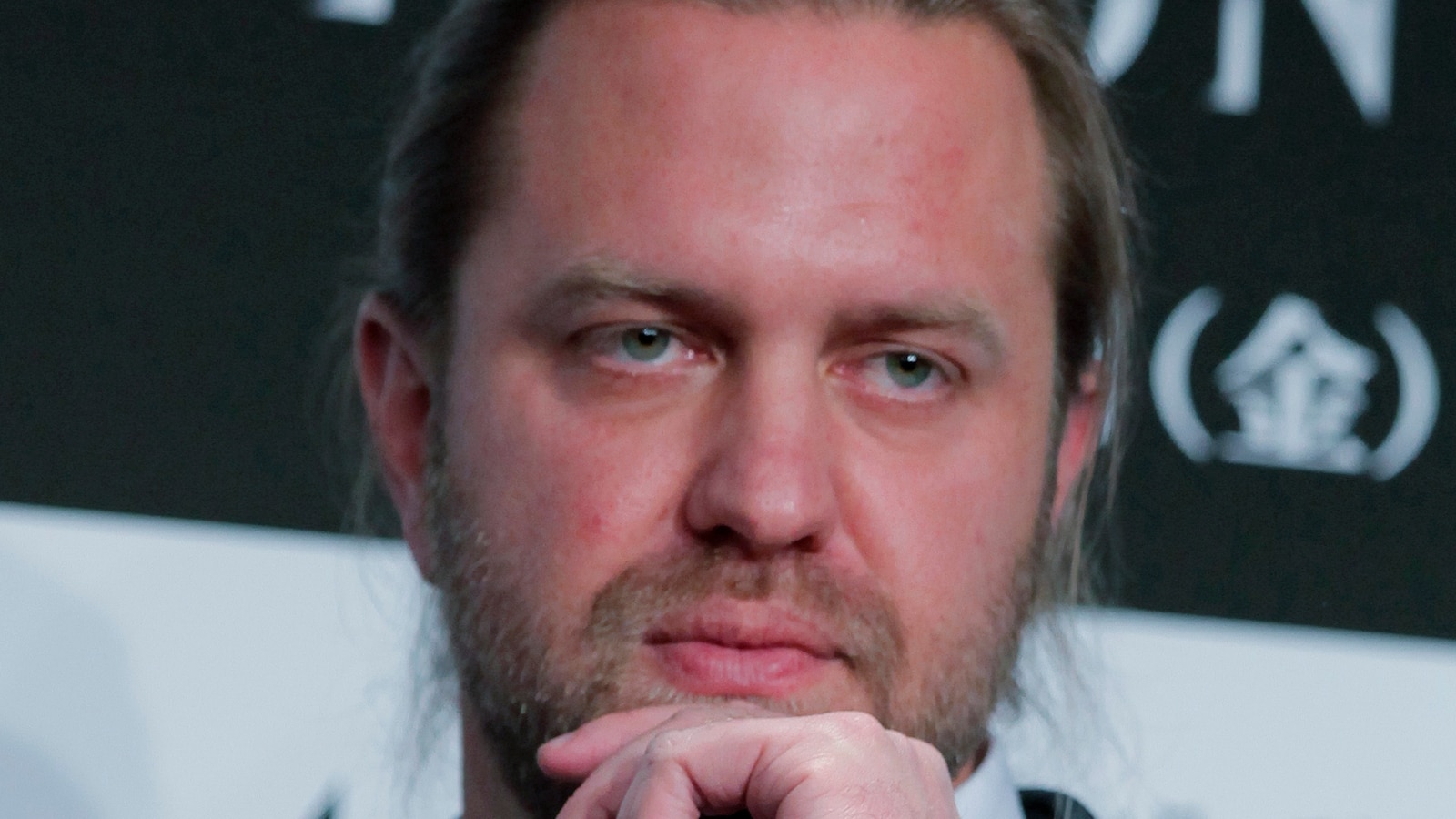
A Movie Director Took Netflix’s Money and Bought Mattresses: What Happened?
The Short Version
A Hollywood filmmaker named Carl Rinsch got in big trouble for lying to Netflix and taking $11 million of their money — not to make a TV show, but to buy luxury cars, fancy watches, and even $638,000 worth of mattresses. A judge sent him to prison for 2½ years. Let’s break down the whole story.
Who Is Carl Rinsch?
- Carl Rinsch is a movie director and writer from the Los Angeles area.
- He started making short films as a teenager and later directed commercials.
- He is best known for directing the 2013 movie "47 Ronin," a samurai fantasy film starring Keanu Reeves (the same actor famous for The Matrix).
What Was "White Horse"?
- "White Horse" was supposed to be a science fiction TV series that Rinsch was creating for Netflix.
- Netflix liked the idea enough to invest a lot of money in it.
- Between 2018 and 2019, Netflix initially paid Rinsch about $44 million to develop and produce the show.
- In 2020, Rinsch told Netflix he needed another $11 million to finish the project.
Important Point: Netflix gave Rinsch that extra $11 million believing it would go toward completing the show. It didn’t.
So Where Did the Money Actually Go?
Instead of using the $11 million to finish "White Horse," Rinsch moved the money into his personal bank account and spent it on himself. Here’s what prosecutors found:
- Five Rolls-Royce cars and a red Ferrari
- $652,000 worth of luxury watches and designer clothes
- $638,000 on just two mattresses
- $295,000 on luxury bedding and linens
- About $1.8 million to pay off his credit card bills
He also tried to grow the money through risky moves:
- He made a series of failed investments and lost about half of the $11 million in just a couple of months.
- He put the remaining money into cryptocurrency (digital money like Bitcoin) and actually made some profit, which he then deposited into his own personal bank account.
How Did He Get Caught and Convicted?
- Rinsch was convicted in December on charges of federal wire fraud and other crimes.
- "Wire fraud" simply means using electronic communication (like emails, phone calls, or bank transfers) to trick someone out of money.
- Prosecutors (the lawyers working for the government) argued that Rinsch’s motive was "naked greed."
- They pointed out that he had every advantage in life — family money, a top-tier education, famous friends, and a successful career — and still chose to steal.
Important Point: Rinsch now owes approximately $11 million in restitution, which means he is legally required to pay Netflix back.
What Happened at the Sentencing?
At his sentencing hearing in New York, several things came up:
- Rinsch’s defense: His lawyers said his behavior was driven by mental health struggles and problems with medication. Rinsch himself said: "This process has forced me to confront things about my health, my judgment, and my life." He apologized and admitted that "real harm was caused."
- The prosecutor’s argument: They wanted him to serve 5 years in prison, saying he deserved a tough punishment.
- Keanu Reeves’ letter: The famous actor wrote a letter to the court supporting Rinsch, saying he brings "exceptional joy and warmth" to others. Reeves acknowledged that Rinsch can "self-sabotage" but asked the judge to show leniency and mercy.
The Judge’s Decision
- U.S. District Judge Jed S. Rakoff sentenced Rinsch to 2½ years in prison.
- The judge said that while Rinsch’s mental health issues might explain some of his behavior, they don’t excuse the fact that he deliberately lied to Netflix to get their money and then lied to cover it up.
- Rinsch is due to report to prison in September.
What Happens Next?
- Rinsch’s lawyers said they plan to appeal the case, which means they will ask a higher court to review the decision.
- Netflix declined to comment on the sentence.
Summary
| Detail |
What Happened |
| Who |
Carl Rinsch, director of "47 Ronin" |
| What |
Defrauded Netflix out of $11 million |
| The Show |
"White Horse" — a sci-fi series that was never finished |
| Where the Money Went |
Luxury cars, watches, clothes, $638K in mattresses, credit card bills, and failed investments |
| Conviction |
Federal wire fraud (December) |
| Sentence |
2½ years in prison |
| Restitution |
Owes ~$11 million to Netflix |
| Next Step |
Plans to appeal the case |
Frequently Asked Questions
Q: What is wire fraud?
A: Wire fraud is when someone uses electronic communication — like emails, phone calls, or bank transfers — to trick a person or company out of money. It’s a serious federal crime in the United States.
Q: Did Netflix lose all $44 million or just $11 million?
A: Netflix originally paid about $44 million, but the fraud conviction specifically relates to the additional $11 million that Rinsch requested and received under false pretenses. The total financial loss may be larger, but the criminal case focused on that $11 million.
Q: Why did the judge give 2½ years instead of 5?
A: The judge considered Rinsch’s mental health struggles as a partial explanation for his behavior but still held him accountable for deliberately lying to Netflix. The prosecutor wanted 5 years, but the judge settled on 2½ years as the final sentence.
Q: Will Netflix get its money back?
A: Rinsch has been ordered to pay about $11 million in restitution, which is a legal requirement to repay the victim. However, whether Netflix actually recovers all of that money depends on Rinsch’s ability to pay.
Q: What does "appealing the case" mean?
A: An appeal means Rinsch’s lawyers will ask a higher court to review the conviction or sentence. They may argue that legal errors were made during the trial or sentencing. This process can take months or even years.
.png "Furbo’s Brutal Verdict on De Jong After He Silenced His Critics") 1
1