11
11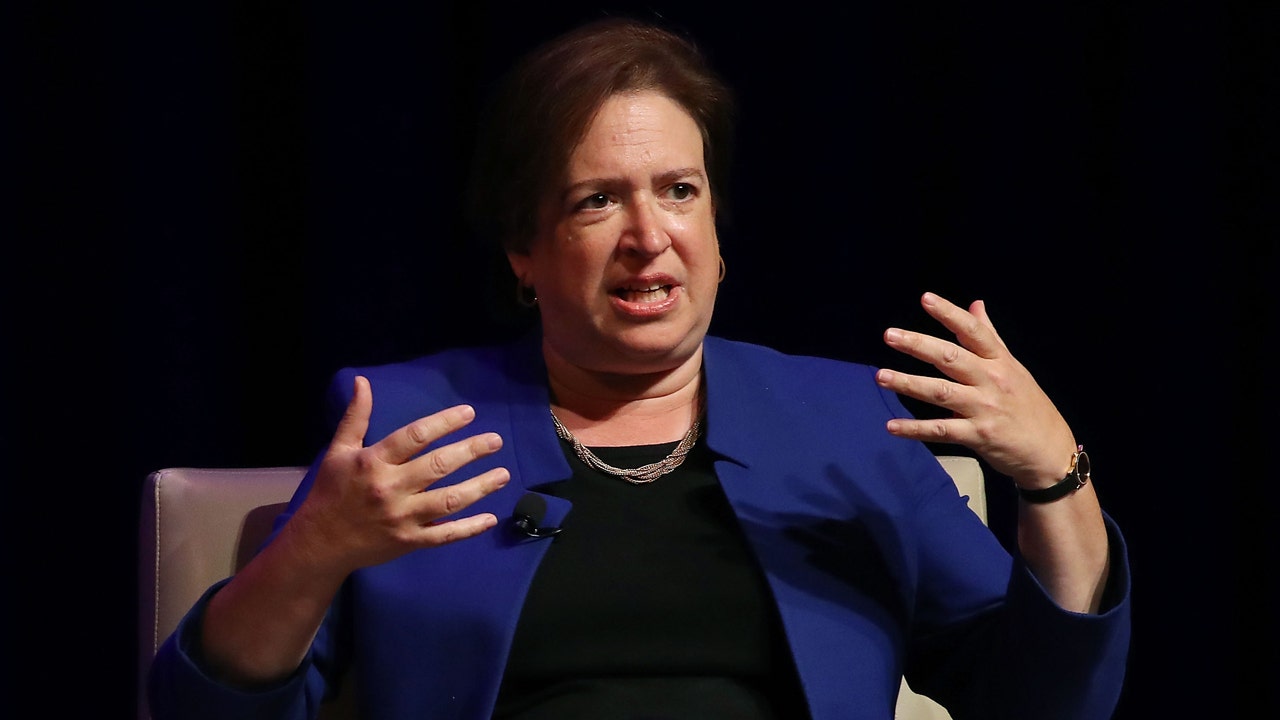
New: Fox News now lets you listen to their articles! But we’ll read this one together in plain English.
Imagine a giant puzzle called a lawsuit where some towns say, “Big oil and gas companies made climate change worse, so they should pay us money.” The people who solve the puzzle are nine judges called Supreme Court Justices. One of those judges is Elena Kagan.
Now, some conservative legal groups say: “Wait! Kagan already showed she likes one side of the puzzle because she wrote a friendly introduction to a science book that talks about climate change.” They want a special group in Congress (the Senate Judiciary Committee) to check if she broke the rules by not stepping away from the case.
In simple words: they think she should sit out the climate case because she might not be a fair, neutral judge.
Here’s the case that started the fuss:
The question for the Court is: Can local governments use state law to hold these companies financially responsible for climate change?
Let’s break down the accusation:
Important: Federal ethics rules say a judge must step aside (this is called recuse) whenever their fairness “might reasonably be questioned.” The groups say Kagan ignored that rule.
On Monday, a group of conservative legal organizations sent a letter to the leaders of the Senate Judiciary Committee. They asked for:
Carrie Severino, president of the Judicial Crisis Network (one of the groups), put it bluntly:
“Justice Kagan’s conflicts of interest on climate litigation preclude her from serving as the ‘neutral arbiter’ required by her oath. By endorsing and penning a promotional preface for a judges’ reference manual featuring an overtly biased ‘climate science’ chapter, she embraced the partisan ideals and legal theories driving state and local climate lawfare. The manual’s bias was so egregious that Congress and state attorneys general called for its removal.”
In kid language: “Kagan can’t be a fair referee. She praised a book chapter that was so unfair Congress made it disappear.”
The letter also said the climate chapter pushed the exact science theories that towns use when they sue oil companies. After Republican lawmakers and state lawyers complained, the chapter was removed.
Severino added: Kagan’s quiet approval of the manual and her support of those theories show she can’t be impartial in the upcoming Suncor case, so “She must recuse herself immediately.”
The coalition’s letter says this isn’t the first time Kagan may have stayed on a case when she shouldn’t have. They point to three earlier examples:
They argue this shows a pattern of inconsistent recusals.
The coalition says public confidence in the courts depends on justices walking away from cases whenever their impartiality might be doubted. That’s why they want the Senate committee to act.
The request mirrors what the committee did in 2023 and 2024:
So, looking at Kagan is similar to those past checks, just led by different concerns.
The original Fox News article also pointed readers to related coverage (preserved here for completeness):
To wrap it up simply: A group of conservative lawyers says Justice Elena Kagan should not help decide a climate change lawsuit because she wrote a friendly intro to a science manual that included a later-removed, biased climate chapter. They sent a letter to the Senate Judiciary Committee asking for an investigation into whether she broke ethics rules. They also note she stayed on other cases where she may have had conflicts. The request is similar to past ethics probes of other justices. Kagan is about to testify to Congress on the Court’s budget, and the Court hasn’t commented yet. The big question remains: Will she step aside from the Suncor climate case?
1. What does “recuse” mean?
Recuse means a judge decides not to take part in a case because they might not be fair—like if they already know the people involved or already shared an opinion.
2. Who is Elena Kagan?
She is a Justice (one of the nine judges) on the U.S. Supreme Court. Before that, she was a top government lawyer (Solicitor General) under President Obama.
3. What is the Suncor Energy v. Boulder County case about?
It asks if Colorado local governments can use state law to make oil and gas companies pay money for their alleged role in causing climate change.
4. Why is a book foreword such a big deal?
A foreword is a short recommendation at the front of a book. Kagan wrote one for a manual that had a climate chapter later called biased. Critics say her support signals she already likes the legal side of the towns suing the companies.
5. What is the Senate Judiciary Committee?
It’s a group of senators in Congress that oversees courts and judges. They can hold hearings and investigate whether rules were followed.
This article is based on reporting by Elaine Mallon, a writer for Fox News Digital and Fox Business covering national politics.