11
11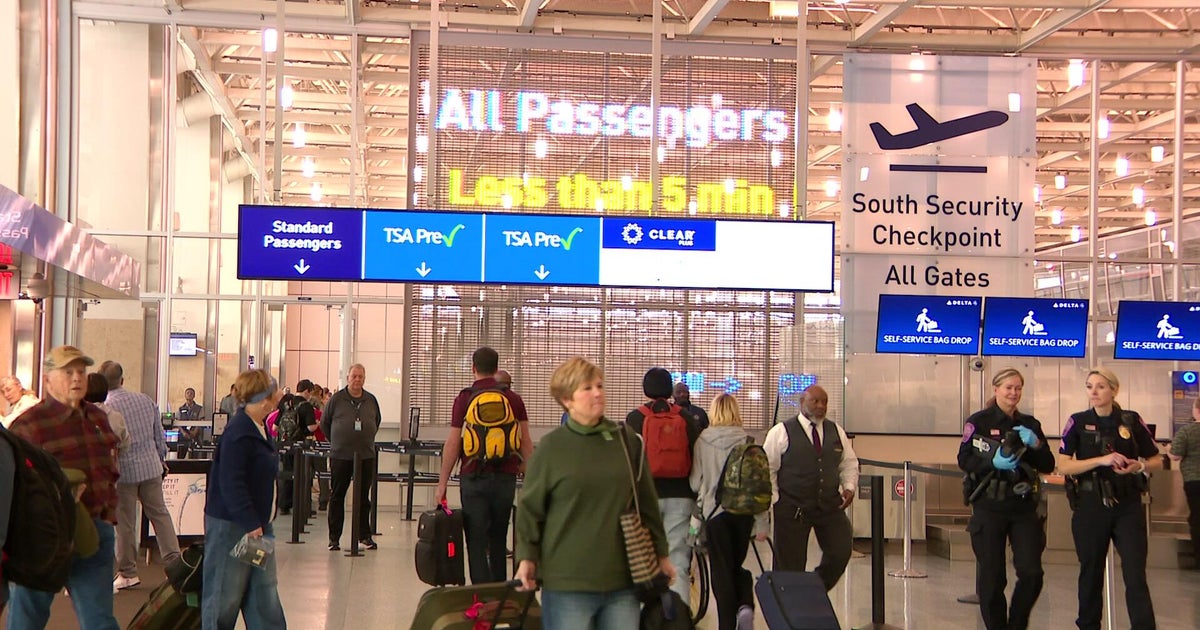
Imagine you’re at a busy intersection, and suddenly all the traffic lights stop working. Cars can’t move safely, so a police officer steps in and tells everyone to stay put until the lights are fixed. That’s basically what happened at Minneapolis-St. Paul International Airport (MSP) on Thursday afternoon.
Important Update
All flights in and out of MSP were halted due to air traffic control system issues. The pause started around 2:00 PM and was extended until 4:15 PM CDT on August 6, 2026.
Air traffic controllers are like the ultimate crossing guards for the sky. They use computers and radar to tell pilots:
When their computer systems have problems, they can’t do their job safely. So the Federal Aviation Administration (FAA) ordered a "ground stop" — which means no planes can take off or land until the issue is fixed.
Pro Tip
If you’re flying through MSP today, contact your airline directly before heading to the airport. They have the most current information about your specific flight.
| Detail | Information |
|---|---|
| Airport | Minneapolis-St. Paul International (MSP) |
| Issue | Air traffic control system problems |
| Action | Ground stop (no takeoffs or landings) |
| Start Time | ~2:00 PM CDT, August 6, 2026 |
| Current End | Extended to 4:15 PM CDT |
| Source | Federal Aviation Administration (FAA) |
| Status | Developing story — updates expected |
A ground stop is like a "red light" for the entire airport. The FAA orders it when it’s not safe for planes to take off or land — usually due to weather, equipment problems, or too much traffic. During a ground stop, planes already in the air might circle or divert to other airports, while planes on the ground stay put.
Yes, but in a good way. The ground stop is the safety measure. Controllers detected a system problem and stopped operations before anything unsafe could happen. It’s like a referee blowing the whistle when they see a hazard on the field.
Maybe. It depends on how long the ground stop lasts and your airline’s schedule. Airlines often delay flights first, then cancel if the delay gets too long. Check your airline’s app, website, or call them for your specific flight.
For weather or ATC issues: usually not. Airlines typically don’t owe compensation for delays caused by air traffic control (considered "outside their control"). But they should rebook you on the next available flight. Check your airline’s policy and travel insurance if you have it.
Source: WCCO Staff / CBS Minnesota | Updated August 6, 2026, 3:11 PM CDT | This story is developing and will be updated.