11
11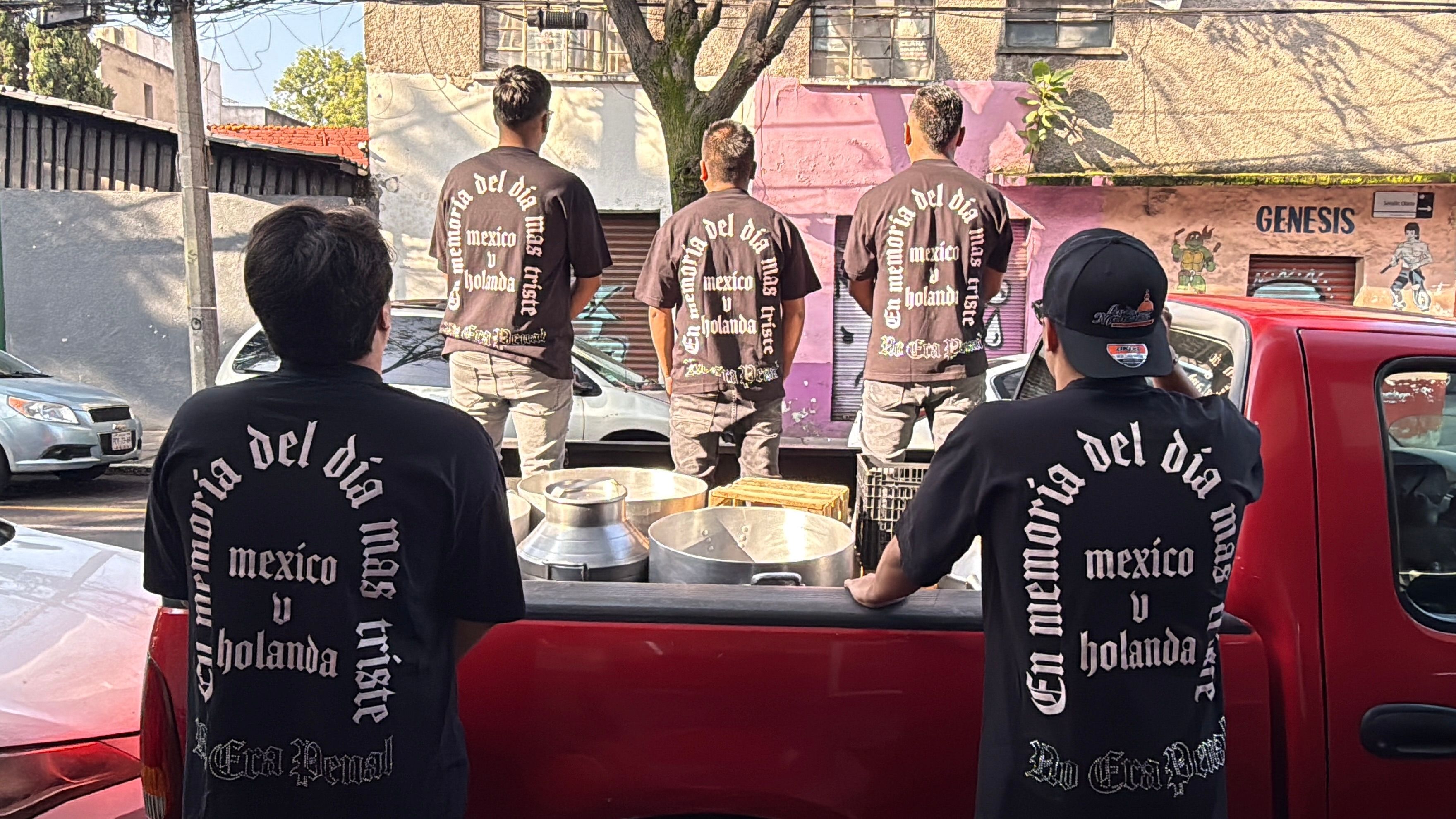
Imagine you’re playing the most important game of your life. You’re winning. You can taste victory. And then, in the very last seconds, the referee makes a call that changes everything. You lose. And you’re absolutely sure the call was wrong.
That’s exactly what happened to Mexico’s national soccer team — El Tri — back in 2014.
"No era penal" is Spanish for "It wasn’t a penalty." Three simple words. But for Mexican soccer fans, those words carry 12 years of pain, frustration, and pride all rolled into one.
Let’s rewind to June 29, 2014. The World Cup. Mexico vs. The Netherlands. The Round of 16.
Here’s what happened:
Mexican fans — and even many neutral observers — were furious. They believed Robben dived (pretended to be fouled). They believed the penalty should never have been given.
And just like that, "No era penal" was born.
Here’s the thing: over the past 12 years, those three words have grown into something much bigger than a complaint about a referee’s call.
"No era penal" has become part of Mexican soccer’s collective memory — a symbol of heartbreak, resilience, and the unwavering passion that defines generations of El Tri supporters.
Think of it like a scar. It still hurts when you touch it. But it’s also a part of who you are. Mexican fans shout it, joke about it, argue about it, and mourn it. It’s part protest, part punchline, and part identity.
Now, two brands have decided to honor that moment in a very special way.
MUNDIAL Magazine (a publication dedicated to global soccer culture) teamed up with Sad Boyz Clothing (a fashion label founded by Mexican-American artist Junior H) to create a limited-edition T-shirt commemorating the anniversary of that unforgettable 2014 match.
The shirt’s tagline says it all:
"For Those Who Wear Their Pain With Pride."
It’s basically grief — but make it streetwear.
The tee is available now through the MUNDIAL Magazine Merch Store.
The shirt drop isn’t the only thing happening. MUNDIAL Films also released a short documentary titled No Era Penal, directed by Grant Best — a BAFTA and Sports Emmy Award-winning filmmaker.
This isn’t just a video replaying the controversial call over and over. Instead, the film explores something deeper:
How one afternoon transcended the final whistle and became part of Mexico’s soccer identity.
The film brings together voices from across soccer, culture, fashion, and fandom:
The documentary was made around Mexico’s 2026 World Cup campaign, including interviews with fans outside the newly renovated Estadio Azteca — one of the most legendary stadiums on Earth. It’s the only stadium to have hosted World Cup victories for both Pelé (1970) and Diego Maradona (1986).
To really understand why "No era penal" hurts so much, you need to understand Mexico’s broader World Cup history.
For El Tri, the modern World Cup story has too often ended in the same place: the fourth game.
"No era penal" became the defining symbol of that frustration — the moment when belief, identity, and heartbreak all collided at once.
As MUNDIAL editor Asad Raza put it:
"With the U.S. dominating much of the conversation in mainstream football media, we wanted to tell the story of a country with real World Cup roots. Celebrating its culture, but also how that culture and togetherness has enabled the nation to experience catharsis following a moment that’s defined Mexican football — and is something the country is looking to move past at this tournament."
Here’s the hopeful part.
Mexico has another chance to rewrite the story at the 2026 World Cup. A win against Ecuador would push El Tri beyond the fourth game for the first time since 1986 — offering the kind of emotional release Mexican fans have been waiting 40 years to feel.
Until then, the wound remains. But MUNDIAL and Sad Boyz have found a powerful way to help fans carry it — with pride.
The No Era Penal documentary is available to watch now across MUNDIAL’s digital platforms. It will also be screened at Footballco’s House of GOAL — a two-week soccer and culture festival at Brooklyn’s Industry City, beginning July 3.
Q: What does "No era penal" mean?
A: It’s Spanish for "It wasn’t a penalty." It refers to a controversial penalty call in Mexico’s 2014 World Cup match against the Netherlands that many fans believe should never have been given.
Q: Where can I buy the "No Era Penal" T-shirt?
A: The limited-edition tee is available through the MUNDIAL Magazine Merch Store online.
Q: Who is Sad Boyz Clothing?
A: Sad Boyz Clothing is a fashion label founded by Mexican-American artist Junior H, known for blending streetwear with cultural identity.
Q: Who directed the "No Era Penal" documentary?
A: The film was directed by Grant Best, a BAFTA and Sports Emmy Award-winning filmmaker.
Q: When and where can I watch the documentary?
A: It’s available now on MUNDIAL’s digital platforms and will also screen at the House of GOAL festival in Brooklyn starting July 3.