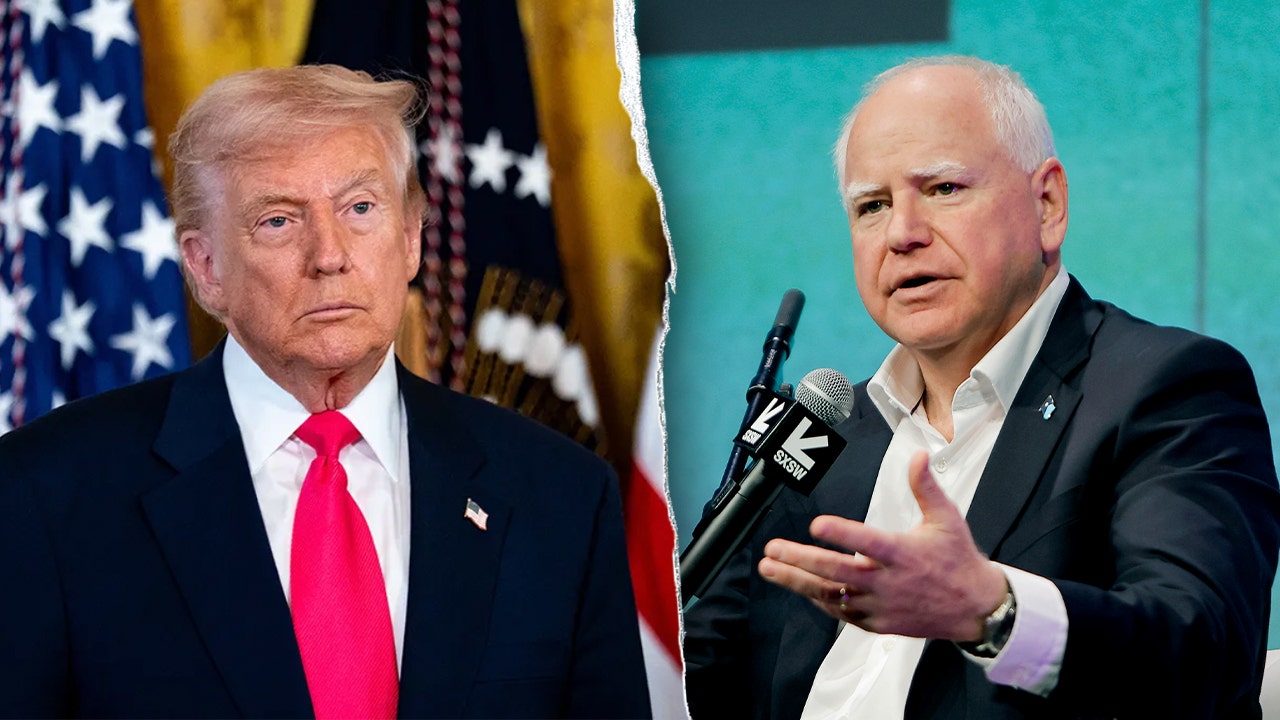
Trump Accuses MN Governor of Negligence in Water Cyberattack
Trump Blames Minnesota, Not Iran, for Cyberattack on Water Systems
TL;DR: President Trump says Minnesota’s "incompetence" caused a cyberattack on 30+ water systems—not Iran, despite warnings from federal agencies and officials pointing to Iranian hackers. No drinking water was contaminated.
What Happened?
Over a weekend in July 2026, more than 30 community water systems in Minnesota were hit by a coordinated cyberattack. The attack targeted the operational technology—the computerized controls that run wells, treatment plants, and pumps.
How the Attack Affected Communities
- Braham: Malicious software temporarily shut down controls for the well and water treatment plant
- Plymouth & South St. Paul: Shifted operations to manual control (human operators running things by hand)
- Good news: No known threat to drinking water—the Minnesota Department of Health confirmed residents didn’t need to change water usage
Who’s to Blame? Two Very Different Stories
President Trump’s View
"I don’t think so. I think I blame it on Minnesota because they’re grossly incompetent… There was a cyberattack of 30 water plants, and I would blame it on Minnesota and the governor, the corrupt governor of Minnesota. They like to say, oh, is Iran? Iran should be so lucky. Iran’s got bigger problems than worrying about Minnesota."
Key points from Trump:
- Dismisses Iran involvement entirely
- Blames Governor Tim Walz and state leadership
- Calls Walz "corrupt" (referencing unrelated fraud investigations in state social services)
- Says Iran has "bigger problems"
What Officials & Experts Say
- Preliminary assessment from U.S. and state officials (reported by The New York Times): Iranian hackers likely responsible
- Federal agencies warned days before that Iranian-affiliated hackers were targeting water systems, power facilities, and local governments
- Minnesota IT Services: Investigation ongoing—hasn’t determined a "specific actor" yet
- Cybersecurity history: Iran has successfully attacked U.S. water infrastructure before
Iran’s Track Record: This Isn’t Their First Rodeo
IMPORTANT POINT: Iranian involvement and poor cybersecurity are not mutually exclusive. Past attacks succeeded because systems had weak defenses.
| Year | Incident | What Happened |
|---|---|---|
| 2023 | Multiple U.S. water/wastewater facilities breached | Hackers linked to Iran’s Islamic Revolutionary Guard Corps exploited internet-connected equipment using default or nonexistent passwords |
| 2013 | Small dam in Rye, New York | Iranian hacker charged with repeatedly accessing control system—could have operated sluice gate remotely (gate was manually disconnected for maintenance) |
The pattern: Hackers look for easy targets—systems exposed to the internet with poor password security.
How These Attacks Work (ELI5 Version)
Think of a water system like a smart house:
- Operational Technology (OT) = The "brain" controlling pumps, valves, treatment chemicals
- Internet connection = A door left unlocked so engineers can check things remotely
- Default passwords = Using "admin123" or no password at all on that door
- Hackers = Burglars scanning neighborhoods for unlocked doors
- Access gained = They can now mess with the "brain"—shut off pumps, change chemical levels, cause chaos
Why it matters: Even if they don’t poison water, disruption costs money, creates panic, and erodes trust.
Timeline of Events
- Days before attack: Federal agencies issue warning—Iranian hackers targeting water/power systems
- Sunday-Monday: Coordinated cyberattack hits 30+ Minnesota water systems
- Communities respond: Switch to manual operations where needed
- Friday (Cabinet meeting): Trump dismisses Iran blame, attacks Walz/Minnesota
- Ongoing: Minnesota IT Services investigation continues; no official attribution yet
The Political Backdrop
This isn’t just about cybersecurity—it’s also politics:
- Tim Walz = 2024 Democratic VP nominee, former Minnesota governor
- Trump has repeatedly attacked Walz over fraud in state-administered social services
- Walz abandoned 3rd term bid amid scrutiny (not personally accused of fraud)
- Trump’s comments at Cabinet meeting blend cybersecurity with political rivalry
Summary
| Fact | Details |
|---|---|
| What | Cyberattack on 30+ Minnesota water systems |
| When | Sunday-Monday (July 2026) |
| Impact | Disrupted automated ops; some manual override needed; water safe |
| Trump says | Minnesota’s fault, not Iran; blames Gov. Walz |
| Officials say | Preliminary assessment points to Iranian hackers |
| History | Iran has hacked US water systems before (2023, 2013) |
| Root cause (often) | Internet-exposed equipment + weak/default passwords |
| Investigation | Ongoing by Minnesota IT Services |
FAQ
1. Was anyone’s drinking water contaminated?
No. The Minnesota Department of Health confirmed no active threat to drinking water and no need for residents to change water usage.
2. Why would Iran hack water systems in Minnesota?
Intelligence assessments suggest the goal is disruption inside the U.S.—creating chaos, financial loss, and undermining confidence in critical infrastructure. It’s not about targeting Minnesota specifically; it’s about finding vulnerable systems anywhere.
3. If Iran did it, why does Trump blame Minnesota?
Trump has a political rivalry with Governor Walz (2024 VP nominee) and has previously attacked him over unrelated fraud investigations. His comments mix cybersecurity assessment with political criticism.
4. How do hackers get into water systems?
Most commonly: internet-connected equipment protected by default passwords (like "admin/admin") or no passwords at all. It’s like leaving your front door wide open with a sign saying "Come in."
5. What happens next?
- Minnesota IT Services continues investigating to determine the "specific actor"
- Federal agencies will likely issue updated guidance for water utilities
- Water systems nationwide should audit remote access and enforce strong passwords
- Political debate over attribution and responsibility will continue
Key Takeaway
Cybersecurity is a team sport. Whether the attacker is Iran, a criminal gang, or a lone hacker, the defense is the same: don’t leave critical infrastructure exposed to the internet with weak passwords. Blame matters for diplomacy and deterrence—but protection matters for safety.
Stay informed. Stay secure. And maybe check if your own router still uses "admin/password."